2026 Top Bidet Seats Why Are They Becoming Popular?

Time:2026-09-18 Author:Amelia
0%

Why are bidet seats becoming popular? The answer is visible in changing bathroom habits, rising hygiene awareness, and smarter home technology. Grand View Research estimates that the global bidet market could expand at a double-digit compound annual growth rate through 2030. Fortune Business Insights also reports strong long-term growth, although its figures include several bidet product categories. The estimates differ. That difference matters.

Bidet seats offer adjustable water temperature, heated surfaces, gentle washing, and air drying. A small control panel can replace repeated toilet-paper use. For older adults, people with limited mobility, or users managing irritation, these features may provide practical support. Dr. Evan Goldstein, a colorectal surgeon, has said, “A bidet is a great way to keep the area clean without excessive wiping.” His clinical perspective helps explain the product’s appeal, although a bidet seat is not a medical treatment.

Consumer interest is also connected to sustainability. The Natural Resources Defense Council has highlighted the environmental costs linked to paper production, while market reports identify bathroom modernization as a growing demand driver. Still, the environmental result depends on electricity use, water consumption, product lifespan, and local energy sources. The picture is not perfectly clean. Some premium models remain expensive, require electrical installation, and may feel complicated at first. Yet many shoppers now see the bidet seat as a compact wellness upgrade rather than an unusual luxury. Its popularity may continue, but better independent testing is still needed. That is the part worth questioning.
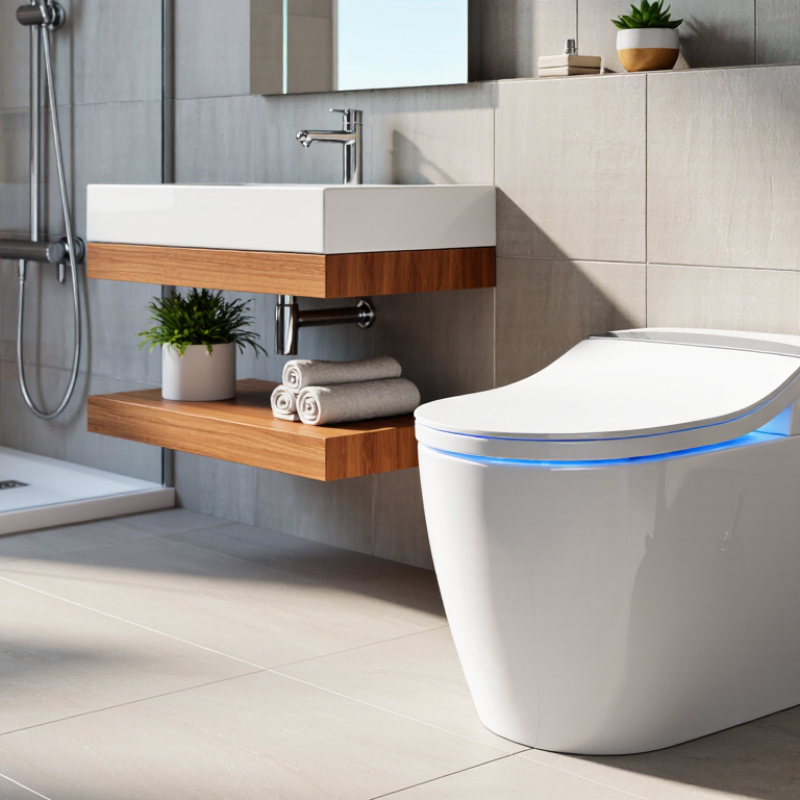
2026 Top Bidet Seats Why Are They Becoming Popular?

What Are Bidet Seats and How Do They Work?

A bidet seat replaces a standard toilet seat and adds a controlled water-cleaning system. After use, a slim nozzle extends beneath the seat and sprays water toward the user. Most models allow adjustments for pressure, temperature, and spray position. Some connect to the toilet’s water supply and use room-temperature water. Others include a small heater for warmer washing. The seat may also provide a heated surface, soft lighting, or warm-air drying.

The controls are usually placed on a side panel or a handheld remote. From a plumbing perspective, installation requires a suitable water connection, correct fittings, and careful leak testing. Electrical models need a properly installed outlet away from standing water. A nozzle should retract after each cycle and clean itself with fresh water. That detail matters. Users should still follow the instruction manual and clean the seat regularly.

Bidet seats are becoming popular because they can make personal hygiene feel more convenient and less wasteful. The first rinse may feel surprisingly strong, especially at high pressure. A gentle setting is often more comfortable. Warm air can reduce toilet paper use, but drying may take longer than expected. Not every bathroom has a nearby outlet. Older plumbing may also need an adapter or professional assistance. These practical limits are easy to overlook when choosing a seat.

Key Features of the Top Bidet Seats in 2026

Key Features of the Top Bidet Seats in 2026

Top bidet seats in 2026 focus on comfort, hygiene, and simple daily control. Adjustable water temperature helps users avoid an unpleasant cold spray. Water pressure settings matter too, especially for sensitive skin. Some models provide oscillating or pulsing streams for more thorough cleaning. A gentle setting is essential.

Heated seats remain popular during cold mornings. Many advanced seats include warm-air drying, reducing the need for toilet paper. Built-in night lights can guide users without turning on bright bathroom lights. Self-cleaning nozzles and removable nozzle guards also support better maintenance. From practical installation experience, these details matter more than decorative controls.

Compatibility still deserves careful attention. Measure the toilet bowl, check the mounting-hole distance, and confirm nearby power access. A seat may offer excellent features but fit poorly. That is frustrating. Energy-saving modes can reduce unnecessary heating, while child-friendly settings improve household usability. Some users may prefer a remote control, but wall placement requires thoughtful positioning. Controls should remain readable after dim lighting or wet hands. I have found that drying performance can vary with temperature, airflow, and personal expectations. It is useful, but not always completely dry. Reliable models should provide clear manuals, durable fittings, and accessible safety information. A qualified installer may be sensible when electrical connections are unfamiliar.

Why Bidet Seats Are Becoming More Popular

Bidet seats are becoming more popular because they make ordinary bathroom routines feel cleaner, gentler, and more convenient. Many users appreciate adjustable water temperature, pressure control, and heated seating during cold mornings. The washing function can also reduce reliance on toilet paper, especially for people with sensitive skin or limited mobility. From practical bathroom assessments, comfort often matters more than appearance. A quiet, well-fitted seat may become useful every day.

I initially underestimated installation details. A seat must match the toilet shape, mounting holes, water connection, and available electrical outlet. Poor fitting can cause leaks, movement, or an uncomfortable sitting angle. Users should check these measurements before purchasing. Regular cleaning is also important, even when the seat includes self-rinsing features. Those features help, but they do not replace ordinary hygiene. Energy use is usually modest, though heated settings may increase household electricity consumption.

Tips: Measure the toilet first. Choose controls with clear symbols. Begin with low water pressure. Test the spray position carefully. Keep the power cord away from standing water. Follow the installation guide, and ask a qualified professional if plumbing or electrical work seems uncertain. Some households may love the added comfort immediately. Others may need time to adjust. That difference is normal.

How to Choose a Bidet Seat for Your Bathroom

Choosing a bidet seat starts with your toilet, not a trend. Measure from the mounting holes to the bowl’s front edge. Record the bowl width and hinge spacing. Round and elongated toilets need different shapes. A seat that looks close may still shift during use. Check clearance behind the tank, especially in compact bathrooms. I once treated a small gap as harmless; it made the lid strike the wall. Small measurements prevent that mistake.

Decide what your bathroom can support. Non-electric seats usually need only a cold-water connection, while heated models require a nearby grounded outlet. Have a qualified electrician inspect the outlet where local rules require it. Look for adjustable water pressure, temperature control, a self-rinsing nozzle, and an easy-to-clean surface. A slow-closing lid is useful at night. Remote controls can help, but side panels are simpler for guests and older users. More functions are not automatically better.

Check installation details before buying. Confirm the included valve fits your supply line, and verify that replacement filters or seals are available. Choose a model with stable hinges and a nozzle made from smooth, washable material. Read independent user reports carefully; repeated comments about leaks matter more than polished photos. Water pressure varies between homes, so performance claims may not transfer to your bathroom. Leave room for uncertainty. A careful fit beats a feature list.

Installation, Maintenance, and Everyday Use

Bidet seats are becoming popular in 2026 because they add practical comfort without replacing the toilet. Installation usually starts with shutting off the water supply and emptying the tank. Remove the existing seat, then check whether the bowl has standard mounting holes. A simple adjustable wrench and the supplied connector are often enough. Keep the manual nearby. Many leaks begin with a rushed connection or an overtightened nut. After fitting the seat, turn the water on slowly and inspect every joint with a dry tissue. If the bowl is unusually shaped, measurements matter more than appearance.

Daily use is uncomplicated, but good habits protect the seat. Use the gentlest pressure setting at first. Clean the nozzle area regularly with a soft cloth and mild, non-abrasive cleaner. Do not scrub with rough pads or pour strong chemicals into the mechanism. A removable filter, if included, may need rinsing or replacement according to the manual. Wipe splashes from hinges and controls before they dry. For heated models, keep electrical connections dry and use a properly grounded outlet with residual-current protection where required locally. That detail is easy to ignore.

During everyday use, sit fully on the sensor area and adjust water temperature gradually. Children and older users may need a lower pressure setting and clear instructions. The dryer can reduce toilet paper use, yet it may not replace gentle drying completely. Comfort differs between bodies. I once assumed a brighter control panel meant easier use; it did not. Labels, reach, and cleaning access often matter more than extra functions. If spray direction changes or water flow weakens, check the filter, inlet, and nozzle before forcing anything. Persistent dripping deserves a qualified plumber’s inspection.

2026 Top Bidet Seats: Why Are They Becoming Popular? — Installation, Maintenance, and Everyday Use

Data Dimension Typical Non-Electric Seat Typical Electric Seat Practical Everyday Guidance
Main reason for growing popularity Lower purchase cost and simple operation Warm water, heated seat, adjustable spray, and user comfort Bidet seats can reduce reliance on toilet paper and provide a more hygienic-feeling cleaning routine.
Typical installation time Approximately 15–30 minutes Approximately 30–60 minutes, including electrical preparation Close the water supply, remove the existing seat, attach the mounting plate, connect the T-valve, and check for leaks.
Electrical requirement None A nearby grounded outlet is normally required; many models use a standard household supply Do not use an extension cord in a wet bathroom area. Follow local electrical and installation requirements.
Water consumption per use Usually about 0.3–0.8 litres Usually about 0.3–1.0 litres, depending on spray duration and settings Shorter wash cycles generally use less water. A gentle rinse is normally sufficient for everyday use.
Warm-water performance Uses household water temperature; no heating function Temperature is commonly adjustable within a comfortable warm-water range Start at a low setting and increase gradually. Avoid excessively hot water to reduce skin irritation.
Daily cleaning Wipe the seat and nozzle area after visible contamination Wipe the seat, control area, and nozzle area after visible contamination Use a soft cloth and mild, non-abrasive cleaner. Never spray liquid directly onto electrical controls.
Nozzle care Inspect and rinse about once a week in regular household use Use the self-cleaning cycle when available and inspect about once a week Clean gently to avoid scratching the nozzle. Do not use pins, knives, or harsh descaling chemicals.
Water filter maintenance Replace an optional inline filter approximately every 6–12 months Replace an optional inline filter approximately every 6–12 months Shorten the interval if water is visibly hard, cloudy, or sediment-heavy. Check the filter condition regularly.
Descaling frequency Usually every 6–12 months in hard-water areas Usually every 3–6 months in hard-water areas Follow the product instructions and use only a compatible descaling method.
Electricity use None Varies by heating mode, ambient temperature, and usage; heated functions consume the most energy Use energy-saving or seat-heat-off modes when the bathroom is not in regular use.
Recommended wash duration About 20–60 seconds About 20–60 seconds Use the lowest effective pressure and a comfortable temperature; prolonged spraying may cause skin dryness.
Best fit for Renters, budget-conscious households, and bathrooms without a nearby outlet Households prioritizing comfort, adjustable settings, and easier cold-weather use Confirm toilet shape, bowl dimensions, water-connection position, and available clearance before purchase.
Long-term care Check fittings, hoses, and mounting bolts every few months Check fittings, hoses, mounting bolts, power cord, and safety functions every few months Turn off the water supply and unplug electric models before extended non-use or deep cleaning.
Note: Figures are typical residential-use ranges. Actual installation time, water use, energy use, and maintenance intervals vary with toilet design, household water quality, settings, and local regulations.

FAQS

What is a bidet seat?

A bidet seat replaces a standard toilet seat with a controlled water-cleaning system. A slim nozzle sprays water after use. Some models also provide heated seating, soft lighting, or warm-air drying.

How does a bidet seat clean itself?

The nozzle extends beneath the seat and sprays water toward the user. It should retract after every cycle and rinse itself with fresh water. Users still need to clean the seat regularly.

Can I adjust the water spray?

Most models offer pressure, temperature, and spray-position controls. Start with a gentle setting. High pressure may feel surprisingly strong.

Does a bidet seat need electricity?

Non-electric models usually need only a cold-water connection. Heated models require a properly installed, grounded outlet away from standing water. Not every bathroom has a suitable outlet.

How should I measure my toilet?

Measure from the mounting holes to the bowl’s front edge. Record the bowl width and hinge spacing. Round and elongated bowls require different seat shapes. Measure twice.

What installation problems should I expect?

Check the water connection, fittings, and available clearance before buying. Older plumbing may need an adapter or professional assistance. Test carefully for leaks.

Is warm-air drying effective?

Warm air can reduce toilet paper use, but drying may take longer than expected. A complete dry is not guaranteed. Keep a small amount of paper nearby.

Which features matter most?

Adjustable pressure, temperature control, washable surfaces, and a self-rinsing nozzle are practical choices. Stable hinges and a slow-closing lid can improve daily comfort. More functions are not automatically better.

How can I judge product reliability?

Read repeated user comments about leaks, loose hinges, and difficult cleaning. Confirm replacement filters and seals are available. Polished photos cannot predict water pressure in your bathroom. I once ignored a small clearance gap; the lid hit the wall.

Conclusion

This article explores what bidet seats are, how they work, and why they are becoming an increasingly practical choice for modern bathrooms. By using a controlled stream of water for personal cleansing, bidet seats can offer improved hygiene, comfort, and convenience compared with traditional toilet paper alone. The top bidet seats in 2026 may include features such as adjustable water pressure and temperature, heated seating, warm-air drying, user-friendly controls, and energy-saving settings. These functions make daily bathroom routines more comfortable while supporting a cleaner and more efficient lifestyle.

The article also answers the question, “why are bidet seats becoming popular,” by examining growing interest in personal hygiene, bathroom comfort, and reducing paper use. It explains how to choose a suitable model by considering toilet compatibility, available space, power access, essential features, and budget. Finally, readers will learn about installation, routine maintenance, and everyday use, helping them make a confident and practical decision for their bathroom.

Amelia

Amelia

Amelia is a seasoned marketing professional with a wealth of expertise in our company’s core offerings. With an unwavering passion for driving growth and innovation, she plays a pivotal role in shaping our marketing strategies and enhancing brand visibility. A key aspect of her responsibilities......