Water is one of the simplest tools in everyday cleaning, but its value depends on how it is used. A damp microfiber cloth can lift crumbs from a counter, while warm water and detergent help loosen greasy residue from a pan. The CDC’s guidance on cleaning and disinfecting explains that cleaning with soap and water removes most germs from surfaces; disinfection may still be needed in certain settings or situations. Water is not magic. The right method depends on the surface, the soil, and the level of hygiene required.
So, what are the advantages of using water for cleaning? It is widely available, works well with suitable detergents, and can reduce reliance on stronger products for routine tasks. Using only the water needed matters, too. The U.S. EPA reports that 10% of homes have leaks wasting at least 90 gallons daily, a reminder that small losses add up. The figure concerns household leaks, not cleaning practices, but it supports a practical principle: avoid leaving taps running, and use a basin or measured rinse when possible. Simple steps. Still, water use has trade-offs; excessive rinsing wastes a valuable resource, and water alone may not remove oily or stubborn buildup. This article explores effective ways to clean with water, where it works best, and when detergent or disinfection is more appropriate, drawing on public-health guidance and water-efficiency information rather than assuming one method fits every home.
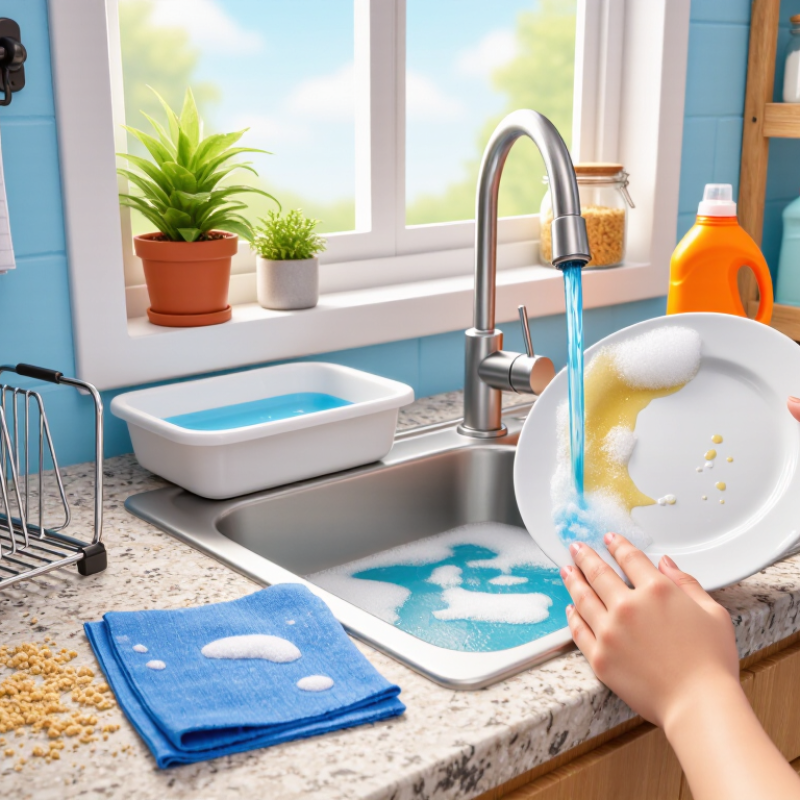
Water removes dirt through contact, movement, and rinsing. Its polar molecules help dissolve many water-soluble residues, while flowing water carries loosened particles away. The USGS describes water as an especially effective solvent, but that does not mean it removes every kind of soil. Grease and oily films resist water, so soap or detergent is often needed to help lift them. A slow rinse can leave grit behind in fabric seams or around a tap. It is tempting to think that more water solves everything; greasy residue often proves otherwise.
Tips: Wet the surface, add a little detergent when needed, and wipe with steady strokes. Rinse until the water runs clear, then dry with a clean cloth. For delicate materials, test a small hidden area first.
Water’s value is practical, not just theoretical. Evidence summarized in WHO and UNICEF’s 2021 State of the World’s Hand Hygiene report links handwashing with soap to about 30% lower diarrhoeal disease risk. That finding is not proof that water alone provides the same benefit: soap helps loosen oils and microbes, and rinsing removes them. For everyday cleaning, match the method to the residue. Dust may rinse away easily; sticky kitchen film usually needs detergent and gentle scrubbing.
Water temperature should match the soil, not simply feel hotter. Warm water helps loosen oily residue on a stovetop, while cool water is often suitable for dust and light spills. For handwashing, CDC guidance says water temperature does not appear to affect germ removal; soap and thorough rubbing matter more. Hotter is not automatically cleaner. Very hot water can also damage some finishes or scald skin, so check care instructions and use gloves when needed.
Water quality matters, too. The U.S. Geological Survey classifies water with 121–180 milligrams per liter of hardness, measured as calcium carbonate, as hard. Hard water can leave mineral spots on glass and reduce soap lather. If a faucet leaves white rings on a sink, try a small area first and dry the surface with a clean cloth. For routine cleaning, potable tap water is generally adequate; use distilled water only when mineral deposits are a concern, such as on delicate glass. Water quality varies by location, and appearance alone cannot confirm safety. I still find this easy to overlook: the same cleaner can leave different results when the rinse water changes.
Water works well on many hard surfaces because it loosens dust and carries away everyday grime. On sealed tile, glass, and stainless steel, use a clean cloth dampened with warm water. Wipe in small sections, then dry glass with a lint-free cloth to reduce streaks. For sticky marks, let the damp cloth rest briefly before wiping; avoid soaking the area. Simple, but effective.
Different materials need different care. Wood can swell or stain when water sits on its surface, so use a barely damp cloth and dry it at once. Natural stone may be sensitive to acidic cleaners, but plain water is often a gentler choice for routine wiping. Test an inconspicuous spot first. With upholstery, blot a small amount of water rather than rubbing, which can spread the mark or damage fibers. Some fabrics develop water rings, and this is easy to miss. On electronics, never pour or spray water directly; disconnect power and follow the maker’s cleaning instructions. Water removes visible soil, but it does not reliably disinfect a surface. Drying matters too, especially in corners where moisture can linger.
Water works best when it helps a tool lift soil from a surface. A damp microfiber cloth can collect dust from a shelf without scattering it across the room. For dried food on a kitchen counter, warm water softens the residue before a sponge loosens it. I have found that letting water sit briefly often saves effort. Too much water, though, can leave streaks or seep into wood seams.
Cleaning agents can improve results when water alone is not enough. Add only the amount stated on the product label, and use a cleaner intended for that surface. A few drops of dish soap in a basin may help remove greasy marks from washable surfaces. Rinse the cloth often; dirty water can spread grime instead of removing it. Never mix cleaning products, and keep the room ventilated when using them. Small habits matter.
Tools change how water behaves. A soft brush reaches grout lines, while a squeegee pulls rinse water from glass before it dries. For delicate finishes, test the method on a hidden spot first. I once used a wetter cloth than needed and had to wipe the surface twice. Not ideal. Let tools air-dry between uses, since damp cloths can develop an unpleasant smell. Cleaning is often less about stronger chemicals and more about matching moisture, tool, and surface.
Warmer water is less viscous, so it flows more easily and can help loosen oily residue. For effective cleaning, combine water with an appropriate cleaning agent and a tool such as a cloth or brush. Use a temperature suitable for the surface and stain; hot water can damage some materials or set certain stains.
Approximate dynamic viscosity of pure water at atmospheric pressure; values are in millipascal-seconds (mPa·s).
Water is a useful cleaner because it loosens dust and carries away many water-soluble spills. A damp microfiber cloth can lift crumbs from a counter without leaving much residue. For sticky or greasy soil, though, water alone may just spread the mess. A small amount of suitable detergent can help release it.
The limits matter. Water does not reliably disinfect a surface, and rinsing cannot remove every kind of grime. Very hot water is not automatically better; it may damage finishes or set some stains. Untreated wood, delicate fabrics, and electronics need special care. Not always obvious. Check the surface guidance before applying moisture.
Too much water can seep into seams, leave mineral spots, or encourage mold where surfaces stay damp. Use a wrung-out cloth, then dry the area with a clean towel, especially around taps and tile edges. It is tempting to treat “natural” as a synonym for harmless. That assumption deserves a second look: even plain water can cause damage when used in the wrong place or left behind.
Not always. Warm water can loosen oily residue on a stovetop, but very hot water may damage finishes or burn skin.
Water temperature does not appear to affect germ removal. Soap and thorough rubbing matter more. Hotter is not better.
Yes. Hard water can leave mineral spots on glass and white rings near faucets. Dry surfaces with a clean cloth.
Potable tap water is generally suitable. Distilled water may help when mineral deposits are a concern, such as on delicate glass.
It can loosen dust and carry away many water-soluble spills. A damp microfiber cloth can pick up crumbs from a counter.
Not reliably. Water alone may spread grease around. A small amount of suitable detergent can help release it.
No. Untreated wood, delicate fabrics, and electronics need special care. Check surface guidance before adding moisture.
Use a wrung-out cloth and dry the area afterward. Pay attention to tile edges and seams. I still forget this sometimes.
No. Water does not reliably disinfect or remove every kind of grime. A clean-looking surface may still need more care.
Water is a simple, versatile cleaning resource that helps loosen and carry away dust, spills, and other residue. Its effectiveness depends on choosing a suitable temperature and water quality: cool water can protect delicate materials, while warm water may help shift greasy or stubborn dirt. Because surfaces differ, cleaning methods should be adjusted for items such as glass, fabric, wood, and tile to avoid damage.
For better results, water can be used with appropriate cloths, brushes, or mild cleaning agents, then rinsed or dried as needed. What are the advantages of using water for cleaning? It is widely available, easy to use, and can reduce the need for cleaning products in many everyday situations. However, water alone may not remove every stain or sanitize every surface, and excess moisture can harm some materials. Using the right amount, tools, and temperature makes water-based cleaning both practical and effective.

Toilvora Toilet