Top Bathroom Hygiene Systems and How to Use Them Correctly?

Time:2026-09-23 Author:Mason
0%

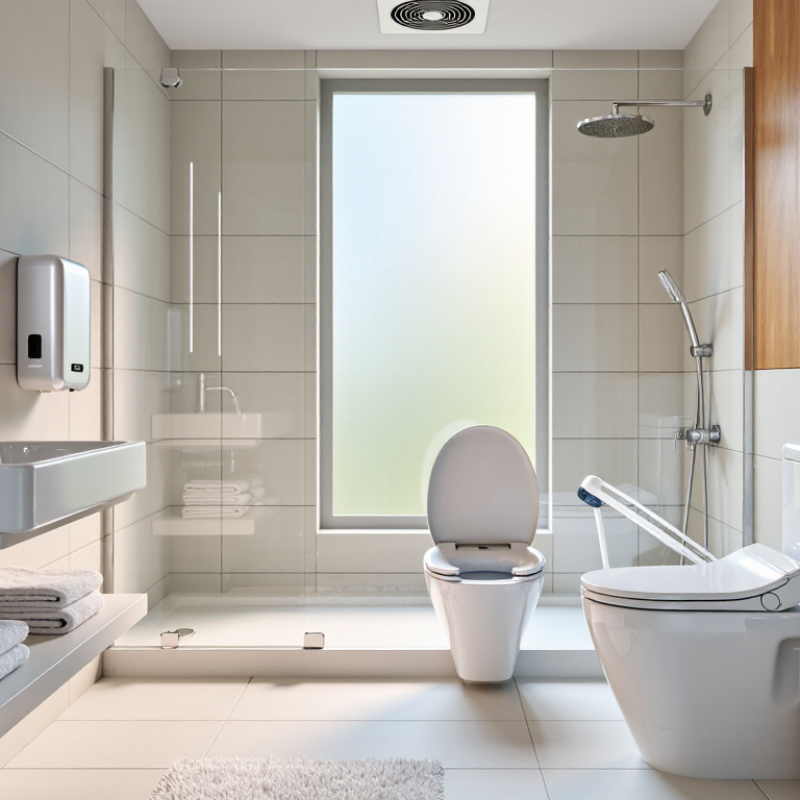
Modern bathrooms use more than soap and toilet paper. They may include bidet seats, handheld sprays, touchless taps, sanitary bins, ventilation fans, and automatic flush systems. Each device supports cleanliness differently. However, better technology does not guarantee better hygiene. Correct habits still matter.

This guide explains how to use bathroom hygiene systems correctly in practical, everyday situations. It considers handwashing duration, spray direction, nozzle cleaning, water temperature, drying, and safe surface care. A bidet nozzle should never be touched with unwashed hands. Its self-cleaning cycle also needs regular inspection. Follow the manufacturer’s instructions, especially when adjusting pressure or temperature. Excessive pressure can irritate sensitive skin. Hot water can cause burns.

Small details count. Keep towels dry. Clean high-touch buttons. Let the exhaust fan remove moisture after bathing. A damp bathroom can develop unpleasant odors and encourage microbial growth. Still, no system removes every risk. I have found that rushed cleaning routines often fail around handles, flush levers, and floor edges. That is easy to overlook.

Evidence-based hygiene advice supports thorough handwashing with soap and clean running water. Alcohol hand sanitizer can help when washing is unavailable, but it cannot replace regular handwashing in every situation. Personal comfort also deserves attention. Users with mobility limitations may need accessible controls or professional advice. Some recommendations may require adjustment. Bathroom design, household habits, and user health all differ. The goal is not a perfect-looking bathroom. It is a consistently clean, safely operated, and thoughtfully maintained space.
Top Bathroom Hygiene Systems and How to Use Them Correctly?

Types of Bathroom Hygiene Systems and Their Main Functions

Bathroom hygiene systems work as a connected chain: toilet, flush, bidet, basin, drainage, ventilation, and cleaning controls. Each system has a specific function. The toilet isolates waste, while the flush carries it through a sealed trap and drain. A bidet or wash spray supports external cleaning, but its nozzle must avoid contaminated surfaces. Use moderate pressure. The WHO/UNICEF Joint Monitoring Programme reported that 3.5 billion people lacked safely managed sanitation in 2022. This figure shows why hygiene depends on function, not appearance.

3.5 billion
people lacked safely managed sanitation in 2022.

Handwashing remains the main barrier after toilet use. Wet hands, apply soap, scrub every surface for about 20 seconds, rinse, and dry completely. CDC guidance supports this sequence, especially after toilet cleaning or waste handling. Touchless taps may reduce contact, but they still need regular cleaning.

Ventilation removes moisture and limits condensation around grout, ceilings, and stored textiles. Keep the exhaust outlet clear. According to U.S. EPA WaterSense specifications, efficient toilets use 1.28 gallons per flush or less, compared with 1.6 gallons for standard models. Lower water use helps, but poor drainage can create another problem.

Correct use also requires maintenance. Inspect the flush, trap, spray hose, floor drain, and seals every week. Clean high-touch points daily in busy bathrooms, using a surface-appropriate product. Follow the disinfectant’s stated contact time. Never mix cleaning chemicals. A practical weakness remains: users often ignore ventilation and drying. Even a well-designed system can fail when damp towels, blocked drains, or rushed handwashing become routine.

How to Choose the Right Bathroom Hygiene System

Choosing the right bathroom hygiene system starts with your daily routine, not the product’s feature list. A handheld wash sprayer offers precise cleaning and suits households with different users. A bidet seat can provide adjustable water temperature, pressure, and nozzle position. Simpler wash attachments may cost less, but they often need careful alignment.

Check your bathroom’s plumbing before buying. Measure the toilet shape, water inlet, available clearance, and electrical access. Cold-water systems usually install more easily. Heated systems need a safe, properly protected power connection. A qualified plumber should check pressure, connections, and backflow protection according to local requirements.

Think about cleaning and long-term handling. Choose smooth surfaces, removable nozzles, and controls that are easy to understand. Families may prefer adjustable settings, while older users may need large controls and stable seating. Small bathrooms need compact designs. Very powerful spray is not always better. It can create splashing and waste water.

Ask practical questions. Can every user operate it comfortably? Can the nozzle be cleaned without tools? Are replacement parts available? Avoid systems that depend on complicated apps or fragile controls. Features can become clutter.

A cheaper attachment may work well, although installation quality still matters. One overlooked detail is drying time: excess moisture around the seat can encourage odors. Regular cleaning remains necessary, even with self-rinsing functions.

Step-by-Step Instructions for Using Hygiene Fixtures Correctly

Top Bathroom Hygiene Systems and How to Use Them Correctly?

A bidet seat, handheld cleansing spray, or integrated wash basin can improve daily bathroom hygiene. Check the fixture before use. Make sure the nozzle, hose, and controls look clean and secure. Sit or stand in a stable position, then adjust the water pressure slowly. Start with lukewarm water, not hot water. Direct the spray toward the intended area without touching the nozzle to your skin. Rinse for a short time. Pat dry with clean tissue or a fresh towel.

For a handheld spray, keep the nozzle several centimeters away from your body. Release the trigger before moving the spray away. This reduces splashing and prevents accidental pressure changes. After use, rinse the nozzle if the instructions allow it. Wipe nearby surfaces with a suitable bathroom cleaner. Wash your hands with soap for at least 20 seconds. I sometimes forget to check the spray angle, and that small mistake creates unnecessary mess. Slow adjustments work better.

Tips: Clean contact surfaces regularly, especially handles and seat hinges. Do not share damp towels. Replace worn seals or leaking hoses promptly. Follow the fixture’s maintenance instructions and test the temperature with your hand first. Children and older users may need assistance. A gentle setting is usually safer than maximum pressure. Inspect the area under the seat, too. It is easy to miss.

Cleaning and Maintaining Bathroom Hygiene Systems

Top Bathroom Hygiene Systems and How to Use Them Correctly?

Cleaning and Maintaining Bathroom Hygiene Systems

A clean bathroom depends on regular care, not strong chemicals alone. Toilets, bidet seats, floor drains, exhaust fans, and soap dispensers all need different routines. I have found that wiping high-touch surfaces daily prevents sticky residue and hidden buildup. Use a suitable cleaner, then rinse surfaces that contact skin. Follow the equipment instructions carefully. Too much disinfectant can damage seals, sensors, or protective finishes.

Clean the toilet seat, flush button, and nearby floor with separate cloths. Wash reusable cloths at a hot temperature after each cleaning session. Remove hair from the drain before water begins pooling. Check the exhaust fan monthly, because dust reduces airflow and leaves moisture on walls. A damp bathroom can develop mildew quickly, even when it looks clean. Ventilation matters.

Tips: Keep the room dry. Open the door after showering. Run the fan during bathing and for several minutes afterward. Never mix cleaning products. Test a cleaner on a hidden area first. Replace cracked hoses or loose fittings promptly. Small leaks often remain unnoticed under cabinets. I sometimes miss the lower edges of fixtures, so I now inspect them with a flashlight. That extra step feels unnecessary, but it reveals grime and early corrosion. For electronic hygiene systems, disconnect power before cleaning around controls, and never spray liquid directly onto the unit.

Safety, Accessibility, and Common Usage Mistakes

Top Bathroom Hygiene Systems and How to Use Them Correctly?

A safe bathroom combines handwashing facilities, a clean toilet, adequate ventilation, and accessible controls. The WHO and UNICEF Joint Monitoring Programme reported in 2023 that 3.5 billion people lacked safely managed sanitation in 2022. Hygiene systems therefore need practical maintenance, not only attractive design. Wash hands with soap for at least 20 seconds, as recommended by the CDC. Dry them fully, because wet hands transfer microorganisms more easily. Touchless flushing can reduce contact, but it still requires regular cleaning around sensors and handles.

Accessibility must be planned, not added later. The CDC reports that more than one in four adults aged 65 and older falls annually. Wet floors, loose mats, low seats, and poorly placed grab bars increase risk. Install stable support rails into suitable structural surfaces. Keep switches, toilet paper, and emergency assistance within easy reach. Bidet controls should use clear symbols and moderate water pressure. Some users may need adjustable-height seating. In practice, I have seen spotless bathrooms remain unsafe because cleaning routines ignored slippery flooring. That mistake deserves honest review.

Tips: Clean high-touch surfaces daily, including flush buttons, taps, door handles, and grab bars. Never mix cleaning chemicals. Check that floor drains work and replace cracked seals quickly. Keep electrical devices away from splash zones. Test accessibility with the actual user, because a technically compliant layout may still feel awkward. Leave enough turning space for mobility aids. Small details matter.

Top Bathroom Hygiene Systems and How to Use Them Correctly

Safety, accessibility, and common usage mistakes

The chart shows key accessibility benchmarks for bathrooms used with hygiene systems such as toilets, bidets, washbasins, and grab bars. Values are measured in inches. The toilet-seat value uses the midpoint of the accessible seat-height range of 17–19 inches. Keep turning areas and transfer spaces free of loose mats, storage items, and cleaning equipment.

  • Wash hands with soap and running water for at least 20 seconds.
  • When soap and water are unavailable, use hand sanitizer containing at least 60% alcohol.
  • Use grab bars for support and balance; do not treat towel rails or shower fixtures as load-bearing supports.
  • Operate bidet or handheld-spray controls gently, avoid excessive water pressure, and clean contact surfaces regularly.

Sources: 2010 ADA Standards for Accessible Design, Sections 604, 609, and 608; Centers for Disease Control and Prevention, Hand Hygiene Recommendations.

FAQS

How should I choose a bathroom hygiene system?

Start with daily routines, not feature lists. A handheld sprayer offers precise cleaning. A bidet seat may offer adjustable temperature, pressure, and nozzle position.

What should I measure before installation?

Check the toilet shape, water inlet, clearance, and electrical access. Measure twice. A small mismatch can make installation frustrating.

Is a heated system suitable for every bathroom?

No. Heated systems need a safe, protected power connection. Keep electrical devices away from splash zones. Ask a qualified plumber to inspect connections and pressure.

Are simple wash attachments a good choice?

They can cost less and work well. However, careful alignment is important. Poor positioning may cause leaks, discomfort, or unnecessary splashing.

What features help families and older users?

Adjustable settings can suit different users. Large controls and stable seating may help older adults. Use clear symbols and moderate water pressure.

How can I improve bathroom safety?

Keep floors dry and remove loose mats. Install grab bars into strong structural surfaces. Place switches, toilet paper, and assistance controls within easy reach.

How should I clean and maintain the system?

Clean flush buttons, taps, handles, and grab bars daily. Choose removable nozzles and smooth surfaces. Never mix cleaning chemicals. Check drains and cracked seals.

Can self-rinsing functions replace regular cleaning?

No. They reduce some buildup but do not remove every problem. Dry excess moisture around the seat. Otherwise, odors may develop. I sometimes underestimate this detail.

Conclusion

Bathroom hygiene systems include toilets, bidet fixtures, handheld sprayers, wash basins, and supporting accessories, each designed to improve cleanliness, comfort, and water management. Choosing the right system depends on bathroom size, plumbing conditions, user needs, ease of cleaning, and accessibility requirements. Features such as adjustable water pressure, comfortable controls, and suitable installation height can make daily use safer and more convenient.

Learning how to use bathroom hygiene systems correctly involves following a simple process: inspect the fixture, adjust the water flow and temperature gradually, use the system gently, and clean the surrounding area after use. Regular maintenance should include washing contact surfaces, checking connections for leaks, removing buildup, and replacing worn parts when necessary. Users should avoid excessive pressure, unsafe temperatures, improper disposal of materials, and slippery floors. Clear instructions, stable support, and thoughtful placement are especially important for children, older adults, and people with limited mobility.

Mason

Mason

Mason is a seasoned marketing professional with a deep expertise in the company's offerings and a passion for driving brand awareness. With a strong background in digital marketing strategies, he has an innate ability to connect with diverse audiences and effectively communicate product benefits.......