Creating comfortable bathrooms is essential for everyone. According to Dr. Emily Johnson, an expert in interior design, “A well-designed bathroom can enhance relaxation and accessibility.” Understanding how to make bathrooms more comfortable involves thoughtful design choices and practical amenities.
Lighting is crucial. Soft, adjustable lighting sets a calming mood. Consider adding natural light where possible. Accessibility is another key factor. Grab bars and non-slip mats ensure safety for all users. Simple features like ample storage also contribute to a more pleasant experience.
However, not every bathroom achieves this ideal. Many forget the importance of ventilation, leading to uncomfortable humidity levels. The layout can be another overlooked aspect. Poor design can hinder the flow and functionality of the space. Making bathrooms more comfortable requires ongoing reflection and adjustment to meet diverse needs.
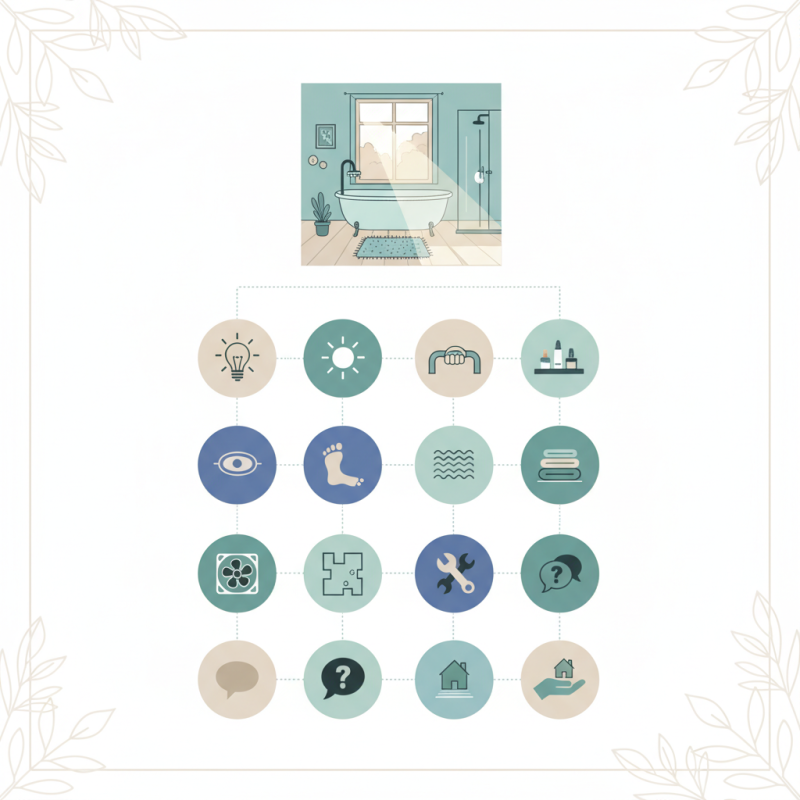
Creating a comfortable bathroom requires thoughtful design principles. Lighting plays a crucial role in setting the mood. Soft, adjustable lighting can make the space inviting. Consider natural light sources too. They not only brighten but enhance the overall ambiance. Bright bathrooms can feel stark and unwelcoming.
Choosing the right materials is essential. Opt for surfaces that are easy to clean yet feel warm. Natural textures, like wood or stone, can add comfort. Textiles should be soft and absorb moisture. Think plush towels and cozy rugs. These elements can transform a clinical environment into a soothing retreat.
Consider accessibility in your design. A comfortable bathroom is welcoming for all users. Ensure that fixtures are reachable and spaces allow for mobility. Grab bars can enhance safety for everyone. Reflecting on these aspects can lead to a more thoughtful and inclusive space. Each choice contributes to a personal haven amidst the bustling household.
Creating an accessible bathroom means considering the needs of all users. Start by installing grab bars near the toilet and in the shower. These features provide stability for anyone who might have balance issues. They should be placed at a comfortable height for different users.
Another essential tip is to choose a toilet with a comfortable height. Standard toilets can be hard for seniors and those with disabilities. Elevated toilets make it easier for people to sit and stand. It can significantly improve their experience in the bathroom.
Adjustable showerheads are a great addition too. They allow users of various heights or those in wheelchairs to access water comfortably. Think about adding non-slip mats as well. They reduce the risk of falling, especially in wet areas. Remember, comfort should be a priority for every bathroom user.
| Tip | Description | Benefit |
|---|---|---|
| Install Grab Bars | Place grab bars near the toilet and shower for support. | Enhances safety for elderly and disabled users. |
| Non-Slip Flooring | Use materials that provide better traction to prevent slips. | Reduces the risk of falls for all users. |
| Adjustable Showerheads | Install handheld showerheads that can be adjusted for height. | Facilitates easier use for individuals of varying heights. |
| Comfort Height Toilets | Choose toilets that are higher off the ground. | Eases sitting and standing for older adults and those with disabilities. |
| Wall-Mounted Sinks | Install sinks that allow for wheelchair access underneath. | Accommodates users with mobility aids. |
| Install More Lighting | Add bright, adjustable lighting to eliminate shadows. | Improves visibility for all users, especially those with visual impairments. |
| Easy-to-Use Door Handles | Install lever handles instead of knobs. | Simplifies opening doors for individuals with limited hand strength. |
| Remove Clutter | Keep floors and surfaces clear of unnecessary items. | Reduces obstacles and enhances the comfort of navigating the space. |
| Accessible Layout | Design the bathroom layout to facilitate easy movement. | Maximizes comfort for all users, including those with disabilities. |
Creating a cozy atmosphere in bathrooms can significantly enhance comfort and relaxation. When choosing warm lighting, soft yellow or beige hues evoke a sense of calm. These colors mimic natural light, making the space feel inviting. Consider adding dimmer switches to control brightness. This flexibility allows for a soothing ambiance during a warm bath or a quick morning routine.
Color schemes also play a critical role. Earthy tones like terracotta or pale greens can bring the outside in. These colors connect us to nature and help reduce stress. However, don’t be afraid to experiment with darker shades to create depth. A moody navy can bring sophistication but may not suit everyone's taste.
Incorporating personal touches can enhance comfort. You might add plants or textured bath mats. These elements contribute to a warm feel. However, remember that clutter can quickly diminish this sense of calm. Regularly reassess your decor to ensure it remains intentional and soothing. Prioritize a balance between style and functionality for a truly comfortable bathroom space.
Incorporating functional storage solutions can greatly enhance bathroom organization. Every bathroom is unique, making it essential to tailor storage options to fit individual needs. Adding shelves above the toilet can create valuable space for essential items like towels or decorative accents. Baskets can also serve as a stylish yet practical way to store toiletries and cleaning supplies. However, it’s important to ensure that storage solutions remain easily accessible.
Consider using vertical storage to maximize limited space. Tall cabinets can neatly store products while maintaining a clean look. Hooks or racks placed inside cabinet doors can keep items organized and hidden from view. Yet, it's crucial to regularly assess what items are truly necessary. A cluttered space can lead to frustration, making it vital to declutter periodically.
Open shelving is another option that promotes both functionality and style. However, this approach requires organization to prevent dust accumulation. Regular cleaning is necessary to keep items looking their best. Balancing aesthetics with practicality can create a welcoming environment. Thoughtful design choices lead to more comfortable bathrooms that cater to everyone’s needs.
Bathrooms can pose significant safety hazards, especially for the elderly and young children. Non-slip flooring is one way to reduce accidents. According to the National Safety Council, falls account for over 8 million hospital emergency room visits annually. Choosing appropriate flooring can make a big difference. Textured surfaces, such as rubber or vinyl tiles, provide traction and prevent slipping on wet surfaces.
Hygiene is another top concern. Many non-slip options are also designed to be easy to clean, which is essential in maintaining a healthy environment. A study from the Center for Disease Control and Prevention indicates that clean surfaces can reduce the spread of germs by up to 80%. By investing in non-slip flooring that is resistant to moisture, homeowners can enhance both safety and sanitation.
However, not all non-slip materials are created equal. Some may wear out quickly, leading to decreased effectiveness over time. Routine inspections and maintenance checks should not be overlooked. It's crucial to evaluate how flooring materials perform in real-world scenarios, especially in high-traffic bathrooms. Understanding the true durability of these products can help in making better long-term choices.
: Use warm lighting with soft yellow or beige hues. Dimmer switches allow for adjustable brightness.
Earthy tones like terracotta and pale greens connect to nature. Consider darker shades for depth, but avoid clutter.
Adding plants or textured mats adds warmth. Avoid excessive decor, as clutter can disrupt a calming space.
Tailor storage solutions to your needs. Consider shelves above the toilet and stylish baskets for toiletries.
Use vertical storage, tall cabinets, and hooks inside doors. Regularly declutter to avoid frustration.
Non-slip flooring reduces accidents. Textured surfaces like rubber provide traction on wet floors.
Easy-to-clean non-slip materials can reduce germ spread by up to 80%. Hygiene is vital in bathrooms.
No, some wear out quickly. Routine checks are necessary to evaluate flooring durability and performance.
Creating a comfortable bathroom space is essential for enhancing overall well-being. To learn how to make bathrooms more comfortable, it's important to consider several key design principles. First, prioritize accessibility by incorporating features that accommodate users of all ages and abilities. This can include grab bars, raised toilet seats, and walk-in showers. Additionally, warm lighting and a soothing color palette can create a cozy atmosphere, making the bathroom a relaxing retreat.
Moreover, effective storage solutions can help keep the bathroom organized and clutter-free, allowing for a more enjoyable experience. Finally, choose non-slip flooring options to enhance hygiene and safety, preventing accidents while ensuring a clean and inviting environment. By following these tips, one can transform a standard bathroom into a comfortable sanctuary for everyone.

Toilvora Toilet