In the realm of modern plumbing, smart toilets have emerged as a revolutionary innovation. But how does a smart toilet work? Dr. Emily Carter, an expert in bathroom technology, states, “Smart toilets integrate advanced features for enhanced hygiene and comfort.” These toilets combine sophisticated sensors, automated systems, and connectivity to provide a unique user experience.
A smart toilet typically includes self-cleaning functions, heated seats, and water-saving mechanisms. These features not only improve hygiene but also promote sustainability. However, understanding the technology behind these conveniences can be complex. Users may find themselves grappling with unfamiliar controls and functions.
Despite their advanced capabilities, some skepticism remains about their reliability and maintenance. Potential users might wonder about the durability and long-term functionality of such technology. Smart toilets represent a leap forward in convenience and efficiency, but the journey to full acceptance requires thoughtful consideration.
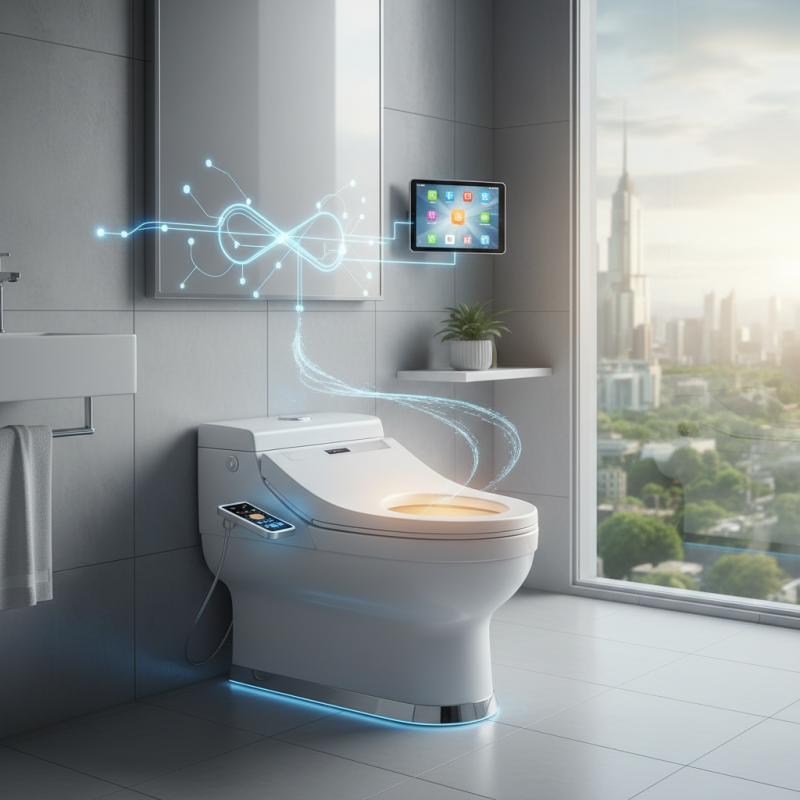
What Is a Smart Toilet and How Is It Different from Traditional Toilets?
Smart toilets represent a significant advancement over traditional toilets. These modern fixtures come equipped with features such as automatic opening lids, self-cleaning capabilities, and integrated bidet functions. Unlike standard toilets, they often include heated seats, adjustable water temperature, and customizable cleansing settings. This technology enhances comfort and hygiene, appealing to those seeking a luxurious bathroom experience.
The difference lies in their operation. Traditional toilets require manual flushing and basic functionality. In contrast, smart toilets use sensors for hands-free operation. Some models even connect to smartphone applications, allowing users to control settings remotely. Such innovations can make using the bathroom a more seamless experience. However, a reliance on complex technology can lead to issues, like mechanical malfunctions that require professional repairs.
The installation costs for smart toilets can be higher than traditional options. Users may hesitate due to this initial investment. Many still question whether the benefits justify the price tag. Nonetheless, for those who prioritize cleanliness and convenience, smart toilets provide undeniable advantages. They may redefine our bathroom experiences, elevating them from mundane to extraordinary.
How Does a Smart Toilet Work and What Benefits Does It Offer?
| Feature |
Smart Toilet |
Traditional Toilet |
| Flushing System |
Automatic flush with sensors |
Manual flush with a handle |
| Bidet Functionality |
Integrated bidet with adjustable water temperature |
No bidet functionality |
| Seat Heating |
Heated seat with temperature settings |
Non-heated seat |
| Self-Cleaning |
Uses UV light for sanitation |
Requires manual cleaning |
| Water Efficiency |
Dual flush options for water conservation |
Single flush system |
| Air Drying |
Built-in air dryer |
No drying feature |
| Price Range |
$500 - $3000 |
$100 - $500 |
Key Technologies Behind Smart Toilets: Sensors, Bidets, and More
Smart toilets incorporate advanced technologies that enhance hygiene and convenience.
Key innovations include sensors, bidets, and drying features.
Toilets equipped with motion sensors can automatically open and close lids,
eliminating the need for physical contact. Reports show that these features reduce germ transmission,
an essential benefit for user health.
Bidets integrated into smart toilets offer adjustable water pressure and temperature.
According to a survey by the American Home Appliance Manufacturers, nearly
70% of users report increased satisfaction with their
bathroom experience due to bidet use. This simple addition can lead to improved cleanliness and comfort,
potentially reducing toilet paper usage by up to 75%.
When selecting a smart toilet, consider local plumbers or home improvement consultants for installation.
Tips include ensuring that space allows for bidet features. Test the controls in-store, if possible, to ensure comfort.
Remember that many features can be adjusted, making them perfect for various user preferences.
Balancing high-tech options with simplicity can sometimes be challenging.
Aim for an ideal blend to meet your needs without overwhelming complexity.
Benefits of Using a Smart Toilet: Comfort, Hygiene, and Convenience
Smart toilets are revolutionizing bathroom experiences. These innovative fixtures offer unparalleled comfort, hygiene, and convenience. In fact, the global smart toilet market is expected to grow from $4.1 billion in 2022 to $10.4 billion by 2028, reflecting a growing demand for enhanced bathroom technology.
The hygiene benefits of smart toilets are significant. Many models feature built-in bidets, which reduce the use of toilet paper by up to 80%. According to the Toilet Paper Encyclopedia, this transition not only supports better personal hygiene but also lessens environmental impact. Moreover, smart toilets often have self-cleaning mechanisms. These features can help eliminate germs and bacteria, thereby creating a more sanitary environment in the bathroom.
Comfort is another key benefit. Most smart toilets offer adjustable seat temperatures and customizable water pressure for bidets, ensuring a tailored experience. A study published in the Journal of Environmental Health indicated that users reported a 60% increase in satisfaction with bathroom visits after switching to smart toilets. This level of comfort can be particularly beneficial for individuals with mobility issues or other health concerns. While smart toilets present many advantages, their higher upfront costs might not fit every budget. However, the potential for improved well-being and reduced long-term toilet paper costs may justify the investment for many users.
Installation and Maintenance Requirements for Smart Toilets
Installing a smart toilet requires careful planning and preparation. Typically, these toilets need access to both power and water supply. If you are upgrading an existing toilet, ensure that the current plumbing can support the new model. Many smart toilets operate on standard plumbing; however, some may require professional installation. Understanding the specifics of your space is essential.
Maintenance is another crucial aspect to consider. Smart toilets often come with self-cleaning features, which reduce the frequency of manual cleaning. However, regular checks are necessary to ensure all functions work smoothly. Components like heated seats and bidet nozzles can require occasional upkeep. In some cases, a malfunctioning feature may indicate the need for repair. Addressing minor issues promptly can prevent larger, more costly problems down the line.
Moreover, user familiarity with the technology is important. Not every user may feel comfortable operating these advanced features at first. It helps to take time to explore settings and understand maintenance needs. Overlooking any of these details can lead to a frustrating user experience. A thoughtful approach to installation and care enhances the benefits that smart toilets offer.
Popular Brands and Models of Smart Toilets on the Market Today
Smart toilets have revolutionized bathroom experiences with advanced features. Their popularity is rising quickly, thanks to enhanced convenience and hygiene. According to a recent market analysis, the global smart toilet market is expected to grow by over 20% annually, highlighting the increasing demand for these innovations.
Several popular models are setting industry standards. Features often include heated seats, self-cleaning mechanisms, and bidet functions. Many smart toilets offer eco-friendly options, using less water compared to traditional toilets. Reports show that they can help reduce water consumption by as much as 30%, which benefits both the environment and household bills.
When considering a smart toilet, think about installation and compatibility with your bathroom layout. Some models require specific plumbing adjustments. Regular maintenance is also essential. A few users have highlighted challenges with connecting to home networks. Investing time in setup can lead to a smoother experience. Explore various features to find what suits your needs best.
FAQS
: A smart toilet is a modern fixture with features like automatic lids and bidet functions.
Smart toilets use sensors for hands-free operation, while traditional toilets rely on manual flushing.
Yes, installation costs for smart toilets are typically higher, which makes some hesitant to invest.
Yes, they often include self-cleaning features and bidets, enhancing overall hygiene and comfort.
Some models have smartphone connectivity for remote control of settings, improving convenience.
Consider space for bidet features and make sure to test controls for comfort.
Yes, reliance on technology can lead to malfunctions that might require professional repairs.
Bidets provide adjustable pressure and temperature, enhancing cleanliness and possibly reducing toilet paper use.
Regular maintenance is crucial for optimal function, and some users face challenges with network connections.
Some may question if the advanced features justify the higher initial investment cost.
Conclusion
A smart toilet integrates advanced technology to enhance user experience, setting it apart from traditional toilets. Key features include sensors that automatically open and close the lid, bidets for improved hygiene, and heated seats for added comfort. Understanding how does a smart toilet work involves recognizing these components and their interplay to provide a level of convenience that elevates daily routines.
The benefits of using a smart toilet are manifold, encompassing greater comfort, enhanced hygiene solutions, and user-friendly features. Installation may require some adjustments to existing plumbing, while routine maintenance is typically straightforward. As smart toilets gain popularity, various models are available that cater to different needs and preferences, making them a sophisticated addition to modern bathrooms.

 Toilvora Toilet