The modern bathroom is evolving. One of the most innovative changes is the smart toilet. It's not just a luxury item; it's a blend of technology and comfort. But how does a smart toilet work? Understanding its mechanisms can reveal much about its benefits.
Smart toilets combine various features for enhanced convenience and hygiene. They often include self-cleaning functions and heated seats. Many models offer sensors that automatically open and close lids. These features may seem complex at first, but they are designed to simplify daily routines.
However, it’s essential to consider their practicality. While they offer comfort, installation can be complicated and costly. Not all users appreciate the advanced technology. Smart toilets are beneficial for some, but others may prefer simpler solutions. Reflecting on these aspects can provide clearer insights into this modern innovation.
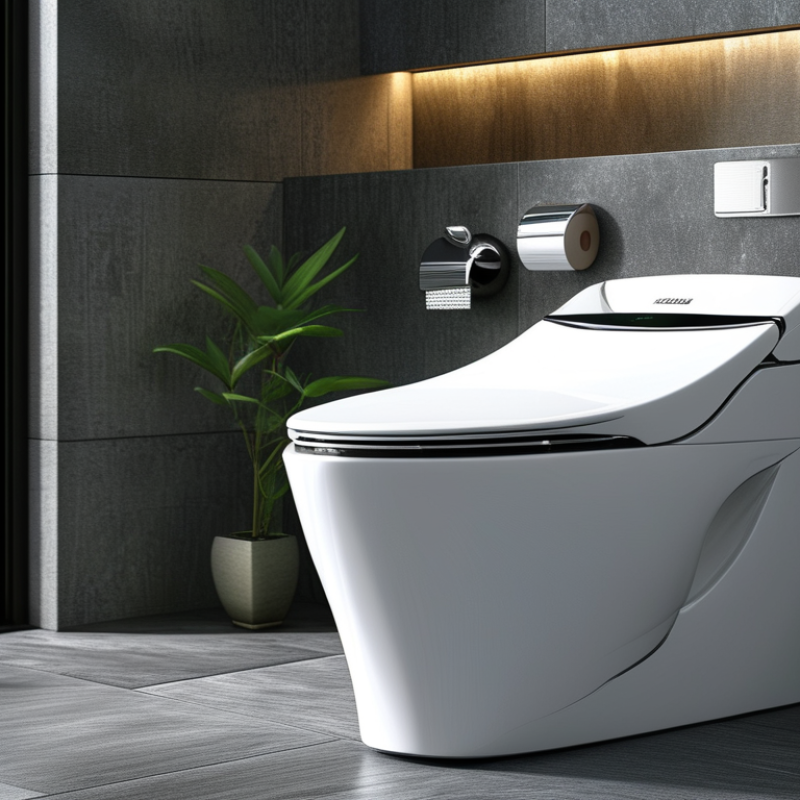
Smart toilet technology has evolved significantly in recent years. These toilets combine advanced features for comfort and hygiene. They often include automatic lids, heated seats, and built-in bidets. This technology enhances the user experience. It appeals to those seeking modern solutions in their bathrooms.
Understanding how smart toilets work is essential. Most models utilize sensors to detect when a user approaches. They can automatically flush, reducing touchpoints. You might find models that offer personalized settings, adjusting water temperature and pressure. These choices cater to individual preferences, making the experience unique.
Tips: When selecting a smart toilet, consider its water efficiency. Efficient models conserve water while maintaining cleanliness. Regular maintenance is also crucial to ensure functionality. Remember, while these toilets offer numerous benefits, they require a power source, and this may limit placement options. Analyze your bathroom space carefully before making a purchase.
Smart toilets are revolutionizing bathroom experiences with their advanced technology. At the heart of these toilets are critical components that enhance hygiene and convenience. One notable feature is the automatic lid, which opens and closes based on user proximity. This functionality reduces physical contact. Additionally, many smart toilets include heated seats, adjusting to individual comfort levels.
Another essential aspect is the bidet function. This feature allows for adjustable water temperature and pressure, ensuring a customizable experience. Some models even offer air dryers, eliminating the need for toilet paper entirely. Voice-activated controls can add an extra layer of convenience. However, users should be aware of the learning curve associated with these high-tech toilets.
Smart toilets often feature self-cleaning capabilities, which can save time and effort. Despite these benefits, installation can be complex, and maintenance may require expert assistance. There’s also the ongoing need for power, which could pose challenges during outages. Understanding these elements can help potential users make informed choices about integrating smart toilets into their homes.
Smart toilets are gaining popularity in modern bathrooms, and their benefits are hard to overlook. According to a report by Grand View Research, the global smart toilet market is projected to reach $4.9 billion by 2025. These innovative toilets offer features such as heated seats, automatic lid openings, and integrated bidets, promoting comfort and hygiene. For many users, the convenience of these functionalities can transform daily routines.
One of the key advantages is water efficiency. Smart toilets typically use less water than traditional models, with some using up to 1.28 gallons per flush. This can lead to a substantial reduction in household water bills. A study from the Environmental Protection Agency shows that switching to high-efficiency toilets could save the average family more than 13,000 gallons of water annually. However, transitioning to smart toilets raises questions about their long-term durability and maintenance requirements. Consumers often need to consider ongoing costs for repairs and electricity use.
Additionally, smart toilets can enhance bathroom aesthetics and personal comfort. Touchless operation and customizable settings foster a more sanitary environment. However, they can also be vulnerable to technical issues, such as connectivity problems. Consumers must weigh the pros and cons carefully before making a purchase. While they offer remarkable features, it's important to reflect on how often these functions are truly necessary.
Smart toilets are gaining traction for their environmental and health benefits. Recent studies indicate that these toilets can significantly reduce water usage. Traditional toilets use about 1.6 gallons per flush, while smart toilets may use as little as 1 gallon or even less. This reduction equates to saving approximately 10,000 gallons of water per household annually. The Environmental Protection Agency (EPA) reports that utilizing smart toilets could lead to a nationwide water savings of over 3 billion gallons each year.
In terms of health, smart toilets often come equipped with bidet functions, which can enhance personal hygiene. This feature not only improves comfort but also may reduce the risk of urinary tract infections and other health issues. According to health experts, improved hygiene from self-cleaning options can lower the chances of bacterial exposure. Furthermore, many smart toilets have self-sanitizing functions, using UV light or advanced cleaning solutions to maintain cleanliness.
However, it’s important to consider the environmental impact of manufacturing these advanced systems. The resources used in production can offset some benefits. Critics argue that not every home can afford the initial investment. While smart toilets present compelling advantages, their accessibility and comprehensive benefits deserve scrutiny.
Traditional toilets have been a staple in many households for decades. However, smart toilets are changing the game. According to a report by Grand View Research, the global smart toilet market is expected to reach $4.4 billion by 2027. This growth is fueled by advancements in technology and increasing consumer demand for enhanced bathroom experiences.
Smart toilets offer features like heated seats, bidet functions, and automatic flushing. These innovative designs promote hygiene and comfort, something traditional toilets may lack. For instance, studies show that bidet use can reduce toilet paper consumption by up to 75%, which is better for the environment. Yet, they come with a higher price tag and may require more maintenance, leading some to question their practicality.
While traditional toilets require minimal upkeep, smart toilets demand regular servicing of electronic components. Users may also face a learning curve when adapting to their features. Reports indicate that about 30% of homeowners feel overwhelmed by smart home technology. Despite the advantages, not everyone is prepared to embrace smart toilets. Balancing innovation with user comfort remains a challenge in the industry.
| Feature | Smart Toilet | Traditional Toilet |
|---|---|---|
| Automatic Flushing | Yes | No |
| Heated Seat | Yes | No |
| Bidet Function | Yes | Optional |
| Night Light | Yes | No |
| Removable Bowl for Cleaning | Yes | No |
| Water Efficiency | High | Moderate |
| Deodorizing Function | Yes | No |
| Price Range | $$$ | $ |
: Smart toilets often have an automatic lid that opens when users approach, reducing physical contact.
They typically include bidet functions that allow for adjustable water temperature and pressure for cleanliness.
Many smart toilets use less water per flush, which can lower household water bills significantly.
They may require complex installation and ongoing maintenance, which can be challenging for some users.
Yes, many smart toilets have self-cleaning capabilities, saving users time and effort.
Yes, features such as heated seats and adjustable settings cater to individual comfort preferences.
Users often worry about the durability and potential technical issues that may arise, like connectivity problems.
Traditional toilets are simpler and require less maintenance, while smart toilets offer advanced features but come with higher costs.
Consumers need to weigh the convenience and features against the ongoing costs and complexity of smart toilets.
Yes, many users may feel overwhelmed by the technology, which can take time to adjust to.
Smart toilets represent a significant advancement in bathroom technology, seamlessly integrating features that enhance both convenience and hygiene. Understanding how does a smart toilet work involves recognizing its key components, such as heated seats, automatic flushing, and integrated bidet functions, which collectively contribute to an elevated user experience. These toilets often feature touchless controls, adjustable water temperature, and even air dryers, making them more user-friendly and hygienic compared to traditional toilets.
The benefits of using smart toilets extend beyond mere luxury. They offer substantial environmental advantages by reducing water consumption through efficient flushing systems and promoting better health outcomes with enhanced cleaning capabilities. Additionally, smart toilets can cater to accessibility needs, showcasing their role as an innovative solution in modern bathrooms. By comparing smart toilets with conventional options, one can appreciate their superior functionality and potential to transform everyday routines into something much more sophisticated and sustainable.

Toilvora Toilet