How Smart Technology Transforms Your Bathroom Experience?

Time:2026-07-02 Author:Madeline
0%

Smart technology is revolutionizing our daily lives, and bathrooms are no exception. Many homeowners wonder how does smart technology change bathroom experience. The integration of advanced gadgets and automation transforms mundane routines into luxurious experiences. Imagine starting your day with a smart mirror that provides news updates while you brush your teeth. Or consider a shower system that adjusts water temperature based on your preferences.

These innovations not only enhance comfort but also promote efficiency. Smart faucets can regulate water usage, helping you conserve water and reduce bills. However, there are challenges to consider. Not everyone is tech-savvy, and some may find smart devices overwhelming. Additionally, the cost of these technologies can be high, which may deter many.

Despite these hurdles, the benefits are significant. Smart technologies offer convenience and personalization that can significantly improve your bathroom experience. As we adapt to these changes, it’s crucial to reflect on the balance between technology and simplicity in our lives.
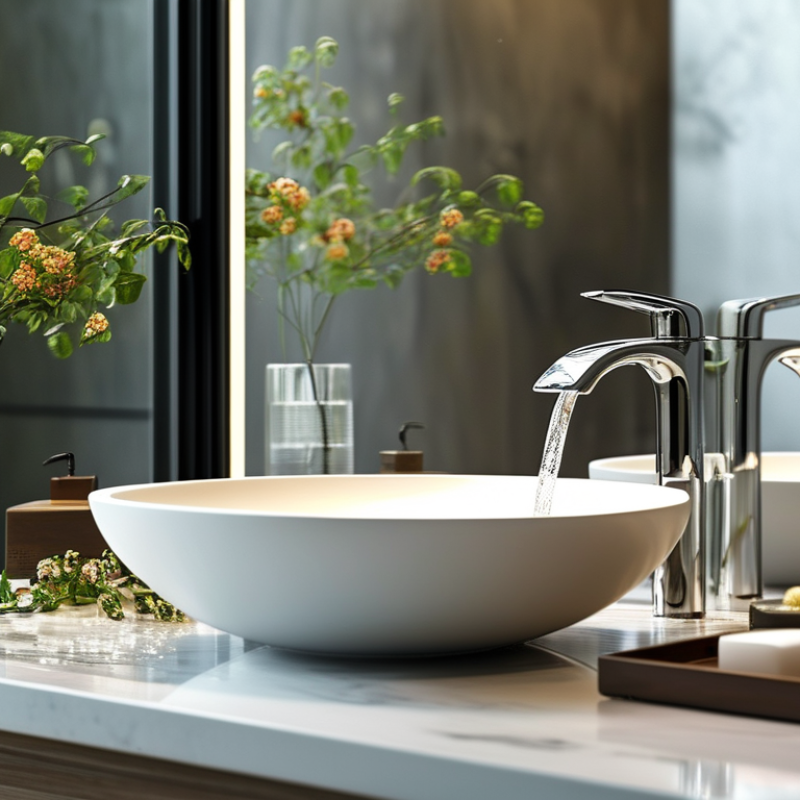
How Smart Technology Transforms Your Bathroom Experience?

The Integration of Smart Devices in Modern Bathrooms

Modern bathrooms are evolving through the integration of smart technology. Imagine stepping into a bathroom where the lights adjust to your mood. With smart fixtures, users can control lighting via voice commands or smartphone apps, creating a personalized environment. Smart mirrors with built-in displays provide news updates, weather, and even social media feeds as you prepare for your day.

Temperature regulation is another breakthrough in smart bathrooms. Smart showers can remember your preferred water temperature and flow rate, providing a consistent experience. However, these systems can sometimes malfunction, leading to cold surprises or fluctuating temperatures. This unpredictability can remind us of the necessity for regular maintenance and system updates to ensure optimal performance.

Moreover, smart toilets feature advanced flushing capabilities, automatic lids, and self-cleaning functions. While these innovations enhance convenience, they may also raise concerns about hygiene and the reliability of automated systems. As technology permeates our daily routines, it’s essential to consider both the advantages and potential issues. Balancing comfort and practicality is key in embracing these smart innovations.

How Smart Technology Transforms Your Bathroom Experience? - The Integration of Smart Devices in Modern Bathrooms

Feature Description Benefits Technology Used
Smart Shower System Allows users to control water temperature and flow through a mobile app. Enhances comfort and saves water. IoT, Sensors
Smart Toilet Offers features like self-cleaning, heated seats, and motion sensors. Improves hygiene and user experience. Smart Technology, Sensors
Smart Mirror Displays time, weather, and personal notifications while offering virtual try-on for cosmetics. Personalizes daily routines and enhances grooming experiences. Display Technology, IoT
Smart Lighting Adjustable lighting that can be controlled by voice or mobile app. Enhances ambiance and can improve energy efficiency. Smart Bulbs, IoT
Smart Water Leak Detector Monitors for leaks and sends alerts via mobile app. Prevents water damage and saves on repair costs. Sensor Technology, IoT

Benefits of Smart Technology for Bathroom Hygiene and Maintenance

Smart technology is revolutionizing bathroom hygiene and maintenance. Innovative devices are designed to enhance cleanliness and efficiency. For instance, self-cleaning toilets use UV light to sanitize surfaces. According to a report by the National Kitchen & Bath Association, around 80% of homeowners are interested in smart fixtures that improve hygiene.

Sensors in smart faucets help minimize water waste. They activate only when needed, reducing excess usage. Data from the U.S. Environmental Protection Agency suggests that smart bathrooms can save up to 4,000 gallons of water annually. This could lead to significant savings on water bills and reduce environmental impact.

However, not all smart technology is foolproof. Over-reliance on automated features can lead to neglect of regular maintenance. Homeowners might assume everything works perfectly, but issues can arise without routine checks. Ensuring proper functionality requires a balance between technology and personal oversight.

Enhancing Comfort and Convenience with Smart Bathroom Features

Smart technology is revolutionizing the bathroom experience. Advanced features are now enhancing comfort and convenience. According to a report by MarketsandMarkets, the smart bathroom market is projected to reach $28.34 billion by 2025, reflecting increasing consumer demand for innovative solutions.

Smart toilets, for instance, offer heated seats and self-cleaning functions. These features can drastically improve daily routines. Additionally, smart faucets and showerheads can adjust water temperature automatically. This not only reduces water waste but also ensures a pleasant experience every time. Yet, some might argue that the reliance on technology can lead to issues, such as malfunctioning devices or complicated interfaces.

Touchless fixtures are another innovation that enhances hygiene. A study from the American Cleaning Institute noted that touchless technology can reduce germ transmission by up to 60%. However, while these advancements bring benefits, they also require a level of tech-savviness that not everyone possesses. Homeowners must weigh the convenience against the potential challenges of maintenance and troubleshooting. Overall, the evolution of smart bathrooms certainly aims to transform our personal spaces into comfortable retreats, though not without hurdles to consider.

Impact of Smart Technology on Bathroom Features

Energy Efficiency and Sustainability through Smart Bathroom Solutions

Smart bathrooms are transforming our daily routines. By integrating technology, these spaces achieve higher energy efficiency and sustainability. Many devices now monitor water usage, reducing waste. Sensors can detect leaks, saving water and preventing damage. Moreover, smart faucets and showers can be programmed to limit flow, making every drop count.

Tips: Consider installing low-flow fixtures. They can save significant amounts of water. Smart devices often provide feedback on your habits. Review this data to identify areas for improvement.

Sustainability in the bathroom also involves choosing eco-friendly materials. Bamboo or recycled products enhance your space while being gentle on the environment. However, technology must be approached mindfully. Not every new gadget is a step forward; some may add to electronic waste. Reflect on the balance between convenience and sustainability.

Future Trends in Bathroom Technology and Smart Innovations

The evolution of bathroom technology is reshaping our daily routines. According to the “Smart Home Market Report 2023,” intelligent bathroom fixtures are becoming standard in many households. Smart toilets now come equipped with features like automatic lids and integrated bidets, enhancing both cleanliness and convenience. These fixtures can adjust water temperature and pressure based on user preferences.

Another interesting development is the rise of smart mirrors. They offer capabilities like LED lighting adjustments and real-time news updates. Data from the “Bathroom Innovation Study 2023” reveals that 45% of homeowners express interest in integrating these mirrors into their spaces. The allure of personalized experiences is undeniable, but some may question the reliability of the technology. Not all smart devices perform smoothly, and connectivity issues can disrupt convenience.

Moreover, voice-activated controls are increasing in popularity. They allow users to adjust temperature or lighting hands-free. However, concerns regarding user privacy have emerged. The potential for constant data collection raises questions about personal security. As households adopt these advances, finding the balance between innovation and caution becomes essential.

FAQS

: What are smart mirrors and their features?

: Smart mirrors have built-in displays. They show news, weather, and social media updates while you prepare.

How do smart showers improve the bathing experience?

Smart showers remember your preferred temperature and flow rate. They provide a consistent and enjoyable shower experience.

What maintenance is required for smart bathroom devices?

Regular maintenance is crucial. Neglect can lead to malfunctions or unexpected temperature changes in your devices.

How do smart toilets enhance hygiene?

Smart toilets feature self-cleaning functions and advanced flushing systems. However, users should balance convenience with hygiene concerns.

What are the water-saving benefits of smart faucets?

Smart faucets minimize water waste with sensors. They activate only when needed, potentially saving up to 4,000 gallons annually.

Can relying solely on smart technology be problematic?

Yes, over-reliance might neglect regular checks. Issues can arise without proper maintenance, affecting functionality.

How do smart devices contribute to energy efficiency?

Smart devices monitor water use and detect leaks. They help reduce waste and can limit flow for better water management.

What materials should be considered for sustainable bathrooms?

Eco-friendly materials, like bamboo and recycled products, enhance your bathroom. They are better for the environment than conventional options.

How can individuals improve their water usage habits?

Review feedback from smart devices regularly. This data can guide users to identify areas needing improvement in water usage.

Why should homeowners reflect on new bathroom technologies?

Not every gadget is beneficial. Some may increase electronic waste, so consider convenience versus sustainability in your choices.

Conclusion

Smart technology is revolutionizing the bathroom experience, fundamentally changing how we engage with this intimate space. The integration of devices such as smart showers, toilets, and mirrors enhances convenience, hygiene, and comfort. By automating everyday tasks, these technologies allow users to customize their bathroom settings, providing personalized experiences that cater to individual preferences. Furthermore, smart solutions contribute to improved maintenance and cleanliness, ensuring a hygienic environment effortlessly.

In addition to convenience, smart technology promotes energy efficiency and sustainability, aligning modern bathroom practices with eco-friendly principles. As we look toward the future, emerging trends suggest even more innovative features that will continue to enhance the user experience. Thus, understanding how does smart technology change bathroom experience is essential for embracing the full potential of our living spaces and promoting a more efficient, enjoyable lifestyle.

Madeline

Madeline

Madeline is a dedicated marketing professional with a wealth of expertise in our company's core offerings. With a keen understanding of the industry, she brings a unique perspective to her role, consistently delivering high-quality content that highlights the superior aspects of our products. As......