How to Reduce Water Consumption in Bathrooms Efficiently?

Time:2026-05-16 Author:Liam
0%

Reducing water consumption in bathrooms is essential for both environmental sustainability and cost-saving. Dr. Emily Carter, a renowned expert in water conservation, emphasizes, "Every drop counts when managing our water resources." This insight highlights the importance of mindful usage in one of the most water-intensive areas of our homes.

Implementing efficient practices can lead to significant reductions in water wastage. Swapping traditional fixtures for low-flow alternatives can conserve gallons per day. Simple actions, like taking shorter showers or turning off the tap while brushing teeth, can make a noticeable difference. Yet, many people forget or overlook these small changes. Awareness is key to developing better habits.

Moreover, not all solutions are universally suitable. Some households may still rely on older plumbing systems, making upgrades a challenge. Reflecting on one’s bathroom habits can reveal areas for improvement. In the quest to learn how to reduce water consumption in bathrooms, it is crucial to remain flexible, explore modern solutions, and continuously assess personal practices.
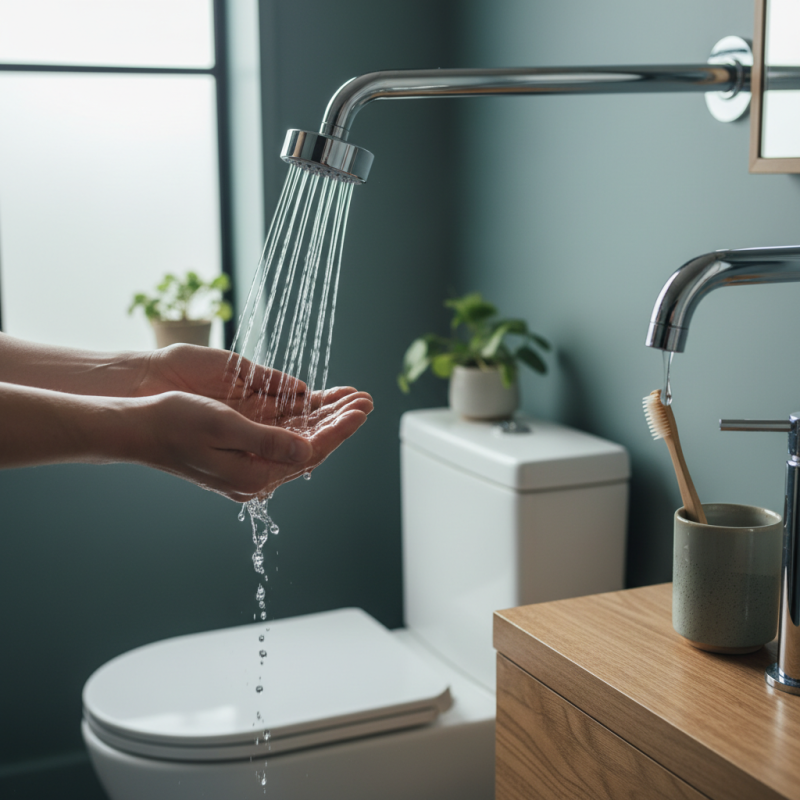
How to Reduce Water Consumption in Bathrooms Efficiently?

Understanding the Importance of Reducing Water Consumption in Bathrooms

Reducing water consumption in bathrooms is crucial. About 30% of indoor water use occurs in this space. Toilets, showers, and faucets are the main culprits. Each time a toilet is flushed, an average of 1.6 gallons is used. This adds up quickly, especially in larger households. Understanding the importance of water conservation can inspire better habits.

Simple fixes can make a notable impact. Installing low-flow showerheads can cut water usage in half. Using faucet aerators can also limit water flow without sacrificing pressure. Yet, many homes neglect these updates. Even small leaks in faucets can waste gallons a day, often going unnoticed until the water bill arrives.

Mindfulness about water usage is essential. Consider how often you leave the water running. Are you brushing teeth with the tap on? Each drop matters. Being aware of our habits leads to meaningful changes. Efficiency isn’t just about saving money; it’s about preserving a vital resource for future generations.

How to Reduce Water Consumption in Bathrooms Efficiently?

Water Saving Method Estimated Savings (Gallons/Month) Initial Cost (USD) Return on Investment (Months)
Low-flow Showerhead 1,000 50 2
Dual-flush Toilet 1,500 150 6
Aerated Faucet Aerators 600 30 2
Repairing Leaks 500 100 2
Shorter Showers 800 0 N/A

Installing Water-Efficient Fixtures and Appliances for Optimal Savings

In modern homes, water efficiency in bathrooms is essential. Installing water-efficient fixtures and appliances can lead to significant savings. Low-flow faucets, showerheads, and toilets use less water without sacrificing performance. These products are designed to reduce water flow while maintaining pressure.


Tips for selecting fixtures: Look for products with the WaterSense label. These fixtures meet strict efficiency standards. They can save hundreds of gallons annually. Consider dual-flush toilets as well. They allow you to choose between a full or half flush, depending on your needs.


Another effective choice is a water-efficient showerhead. They deliver strong sprays while using less water. Many models offer adjustable settings, giving you a customizable experience. Be mindful, though; installation must be done correctly. An improperly installed fixture can lead to leaks and waste more water. Small changes can make a big impact on your water bill and the environment.

Implementing Behavior Changes to Minimize Water Usage

Reducing water consumption in bathrooms is important. To start, small behavior changes can make a significant impact. For instance, limit showers to five minutes. Time yourself with a timer. This simple act can save gallons of water daily.

Another effective change is to turn off the tap while brushing your teeth. Many people leave the water running, wasting more than necessary. Just wet your brush and turn it off. It's easy to forget this habit, but it makes a difference.

Lastly, be mindful of leaks. Regularly check faucets and toilets for dripping. A small leak can waste more water than you think. It may seem minor, but those drops add up. Regular maintenance is key to preventing the waste. Each change, no matter how small, contributes to conservation efforts.

Enhancing Water Recycling and Reuse Practices in Bathroom Settings

In modern bathrooms, enhancing water recycling and reuse practices is crucial. Collecting grey water from sinks and showers can significantly reduce overall water consumption. This recycled water can be redirected to toilets or used in irrigation. However, it's important to ensure that grey water is filtered properly to avoid potential health risks.

Tips: Consider installing a grey water system. This system can be connected to your plumbing to effortlessly recycle water. Another effective method is using water-efficient fixtures. Low-flow showerheads and faucets can reduce water use without sacrificing pressure. These small changes can lead to big savings.

Homeowners often overlook the maintenance of water recycling systems. Regular check-ups are essential to ensure everything functions correctly. Sometimes, filters need changing or there may be leaks that go unnoticed. Understanding the system's requirements can increase reliability and effectiveness in water reuse, making your efforts more sustainable.

Regular Maintenance and Monitoring to Prevent Water Waste

Regular maintenance is crucial to reduce water consumption in bathrooms. Simple checks can prevent costly leaks. Inspect faucets and showerheads for drips. A single leak can waste gallons each day. It's easy to overlook these small issues. Yet, they can add up to significant water wastage.

Monitoring water usage also plays a vital role. Consider tracking your daily water consumption. This creates awareness of your habits. You might notice unnecessary long showers or excessive faucet use. Small changes, like shortening showers by a few minutes, can make a big difference. Reflect on your daily routine and see where improvements can be made.

Using water-efficient fixtures is another effective method. Low-flow toilets and aerated faucets reduce flow rates significantly. However, remember that installation must be done correctly. Poor installation can lead to more leaks. Consistent checks and effective installations ensure that these fixtures perform as intended. Stay proactive in your approach to bathroom water consumption.

Water Consumption in Bathrooms: Regular Maintenance Impact

FAQS

: Why is reducing water consumption in bathrooms important?

: About 30% of indoor water use occurs in bathrooms. Toilets and showers are major contributors.

How much water does a toilet flush use?

An average toilet flush uses about 1.6 gallons. This adds up quickly in larger households.

What simple fixes can help reduce water usage?

Installing low-flow showerheads and faucet aerators can significantly cut water flow.

What common issue can lead to unnoticed water waste?

Small leaks in faucets can waste gallons daily, often going unnoticed.

How can I be more mindful of my water usage?

Consider habits like leaving the water running while brushing teeth. Every drop counts.

What should I look for when selecting water-efficient fixtures?

Look for products with efficiency labels. Dual-flush toilets are also effective options.

How can I monitor my water usage effectively?

Track daily water consumption to increase awareness of your habits.

What is a common mistake when installing new fixtures?

Poor installation can lead to leaks, causing more water waste.

How can shortening my shower time help?

Small changes in routine, like shorter showers, can significantly reduce water use.

Why is regular maintenance important for water conservation?

Regular checks can prevent leaks, which leads to less water waste and lower bills.

Conclusion

Reducing water consumption in bathrooms is essential for environmental sustainability and cost savings. To effectively address how to reduce water consumption in bathrooms, installing water-efficient fixtures and appliances plays a crucial role. These upgrades help significantly decrease water flow without compromising performance. Additionally, adopting behavior changes, such as shorter showers and turning off taps while brushing teeth, can further minimize water usage.

Moreover, enhancing water recycling and reuse practices in bathroom settings, such as using greywater systems for irrigation, can contribute to substantial savings. Regular maintenance and monitoring are also vital to prevent leaks and waste, ensuring that the bathroom remains as water-efficient as possible. By implementing these strategies, households can achieve meaningful reductions in water consumption, fostering a more sustainable lifestyle.

Liam

Liam

Liam is a dedicated marketing professional with a profound expertise in the industry, where he excels at highlighting the unique advantages of our core products. With a keen understanding of market trends and consumer needs, Liam frequently updates our company’s professional blog, providing......