Leaks in bathroom systems can lead to significant damage and costly repairs. Knowing how to prevent leaks in bathroom systems is essential for homeowners. It starts with understanding common sources of leaks. Faulty plumbing fixtures and loose connections are frequent culprits. Regular inspections can help identify these issues early.
Proper installation and maintenance are key. Use high-quality materials and follow installation guidelines. Check seals and gaskets regularly for wear. Even minor cracks can lead to major leaks over time. Create a habit of checking pipes and faucets every few months.
Reflecting on your previous repair experiences can provide valuable insights. Sometimes, small oversight leads to bigger problems. Addressing these details can save time and money. Focus on creating a leak-free environment. This approach empowers homeowners to take proactive steps against leaks.
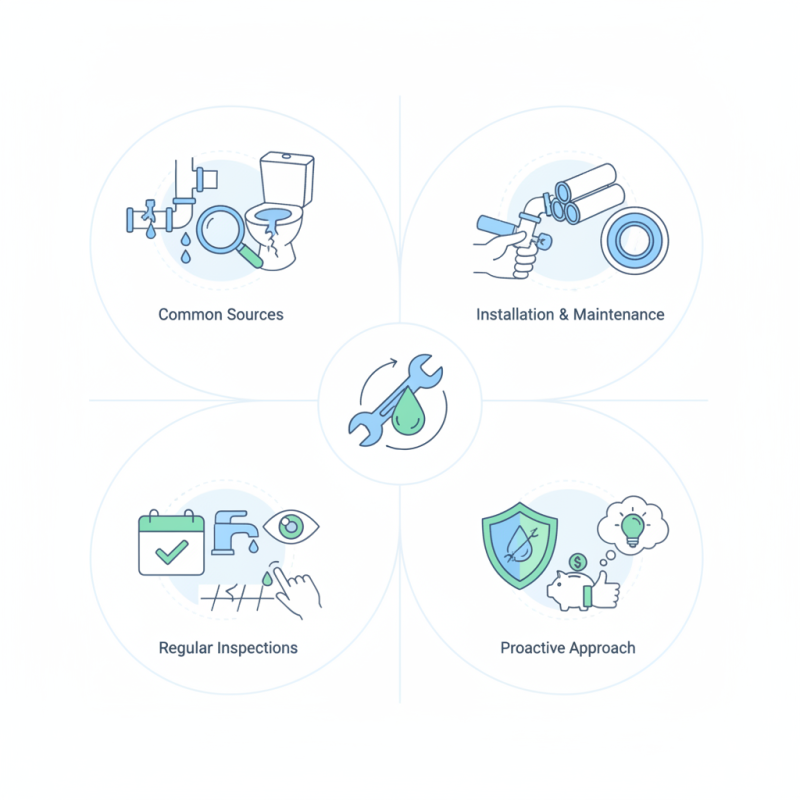
Bathroom leaks can cause extensive damage if not addressed promptly. Understanding the common causes of these leaks is crucial for prevention. One primary source is worn-out seals around fixtures. Over time, these seals can crack or degrade, allowing water to seep through. Regularly inspecting faucets and showerheads can help identify potential issues early.
Another common culprit is pipe corrosion. Aging pipes can develop leaks without warning. Homeowners should be aware of their plumbing system's age and condition. Signs of corrosion include discoloration and rust on exposed pipes. Additionally, clogs in drains and toilets can lead to leaks. Excess water pressure can cause joints to fail. Simple maintenance can help in these situations.
Taking preventive action is essential. Regular inspections should become a habit. Consider using a moisture meter to detect hidden leaks. If you find a leak, don't delay repairs. Ignoring these issues can lead to more significant problems. Small leaks can quickly escalate. Reach out to professionals when needed, especially for extensive damage. Embracing these practices ensures your bathroom remains leak-free and functional.
Water leaks in bathroom systems can lead to significant damage and costly repairs. Identifying the signs early can save homeowners time and money. Look for water stains on walls and ceilings. These often indicate moisture presence. Peeling paint or wallpaper can also signal underlying issues. Mold growth around fixtures is another red flag.
Check your bathroom fixtures regularly. If you notice any dripping faucets, they may be a leak source. A running toilet can waste gallons of water daily. Listen for unusual sounds from pipes. These can suggest leaks even behind walls. Monitor your water bill; unexpected increases might hint at unseen leaks.
Conducting routine inspections helps maintain bathroom plumbing. Touch surfaces for dampness or coldness, especially near pipes. Ensure drains are functioning properly; slow drains can mean clogs that lead to leaks. Sometimes, leaks start small but grow over time. Addressing them early can prevent future headaches. These checks are not foolproof, but they are essential for effective home maintenance.
| Sign of Leak | Possible Cause | Recommended Action |
|---|---|---|
| Water Stains on Ceiling | Leaking pipes above | Inspect plumbing, repair or replace damaged pipes |
| Mold Growth | Excess moisture from leaks | Clean mold, identify source of moisture, repair leaks |
| Warped Flooring | Water accumulation from leaks | Check for leaks, replace damaged flooring |
| Dampness Around Fixtures | Seal or connection failure | Tighten seals/connections, replace if necessary |
| Unpleasant Odors | Stagnant water due to leaks | Identify and fix the source, ensure drainage |
To ensure a leak-free bathroom, careful planning is essential. Start with high-quality materials when installing plumbing fixtures. Use reliable pipes and fittings designed for water resistance. Always check for compatibility among components. This reduces potential weak points in the system.
Regular maintenance plays a significant role. Inspect all joints and seals periodically. It is common for seals to deteriorate over time. A small leak can lead to bigger issues if ignored. Look out for signs of moisture around sinks and toilets. These are red flags that should prompt immediate attention.
Investing time in routine checks can save massive repairs later. Even the most meticulous installations can fail if not monitored. Document water usage changes as they might indicate hidden leaks. Being proactive ensures that your bathroom remains a safe and functional space. Aim for constant vigilance to keep problems at bay.
Routine maintenance is essential for preventing leaks in bathroom systems. Regularly inspect pipes, faucets, and fixtures for signs of wear. A small drip can escalate into a significant issue. Check for water stains on ceilings and walls, which may signal leaks behind the scenes. Tightening loose connections can often prevent these minor issues from becoming major repairs.
Consider investing time in daily checks. Even a few minutes can help you catch problems early. Look closely at sealing around tubs and sinks. Cracks in caulk can lead to leaks. Apply fresh caulk when necessary; it is a simple yet effective task. Don’t ignore the toilets either. A running toilet can waste water and cause leaks. Listen for constant running sounds.
Moreover, be mindful of humidity levels. Excess moisture can contribute to mold, which could indicate leaks. Using exhaust fans can help control humidity. Ensure they are functioning properly. Over time, neglecting these small tasks can lead to larger, more expensive problems. Reflect on your routine. Are you diligent in your checks? Regular maintenance is key to effective repairs in your bathroom.
Bathroom leaks can cause significant problems if not addressed quickly.
According to the American Society of Home Inspectors, about 20% of homes experience water leakage issues. Identifying these leaks early is crucial.
Common leak sources include faucets, showerheads, and toilet seals. Regular inspections can help catch leaks before they escalate.
A study by the Plumbing Manufacturers International found that routine maintenance can reduce leak occurrences by up to 30%.
Implementing proper sealing techniques, like using silicone caulk in joints and between tiles, can enhance durability.
Traditional methods like replacing worn-out washers and gaskets also remain effective. However, even these solutions may fail under extensive wear.
While DIY repairs are tempting, professional help is often warranted.
The International Association of Plumbing and Mechanical Officials states that improper repairs can lead to recurring issues.
One should not shy away from seeking expert assessments. They can provide valuable insights on where leaks may occur and how to fix them effectively.
Keeping the bathroom dry and well-ventilated also prevents mold growth, which can worsen leaks over time.
: Look for water stains on walls and ceilings. Peeling paint may also indicate moisture.
Regularly inspect fixtures for dripping faucets. Listen for any unusual sounds from pipes as well.
A running toilet wastes water daily. Check the flapper mechanism and valve for issues.
Use high-quality materials and ensure compatibility among all plumbing components to reduce weak points.
Inspect joints and seals routinely. Look for moisture signs around sinks and toilets.
While tempting, DIY may lead to improper fixes. Professional help can prevent recurring issues.
Early detection of leaks can prevent costly damage. Aim for constant vigilance to spot issues early.
Dry conditions help prevent mold growth. Mold can worsen leaks and create health hazards.
Monitor for unexpected increases in usage. These changes might signal unseen leaks in your plumbing.
Dripping sounds or visible water around the faucet can indicate leaking. Address this promptly to avoid further issues.
In order to effectively address how to prevent leaks in bathroom systems, it is essential to understand the common causes of these issues. Factors such as deteriorating seals, faulty plumbing, and poor installation often lead to leaks. This article emphasizes the importance of identifying early signs of water leaks, such as discoloration and damp spots, which can help mitigate further damage.
To ensure a leak-free bathroom installation, preventive measures including proper sealing and regular inspections are crucial. Additionally, routine maintenance and prompt repairs of any detected leaks can greatly extend the lifespan of bathroom systems. By implementing these strategies, homeowners can safeguard their bathrooms against leaks and minimize the need for extensive repairs.

Toilvora Toilet