Top 10 Modern Solutions to Improve Personal Hygiene Today?

Time:2026-05-31 Author:Isabella
0%

In today's fast-paced world, personal hygiene is more critical than ever. Studies show that 80% of infections are spread by touch. Therefore, understanding how to improve personal hygiene with modern solutions is essential. Innovative products and technologies are making hygiene more accessible to everyone.

Many people overlook basic habits. For instance, 30% of individuals admit they do not wash their hands regularly. This statistic highlights the need for better awareness and tools. Modern solutions, from soap dispensers to smart toothbrushes, are gaining popularity. These innovations not only emphasize cleanliness but also promote a culture of health.

The hygiene industry has evolved significantly. Products are becoming more efficient and user-friendly. Yet, some traditional practices are still essential. Balancing modern solutions with conventional methods can lead to better health. Embracing these advancements empowers individuals to take charge of their hygiene.
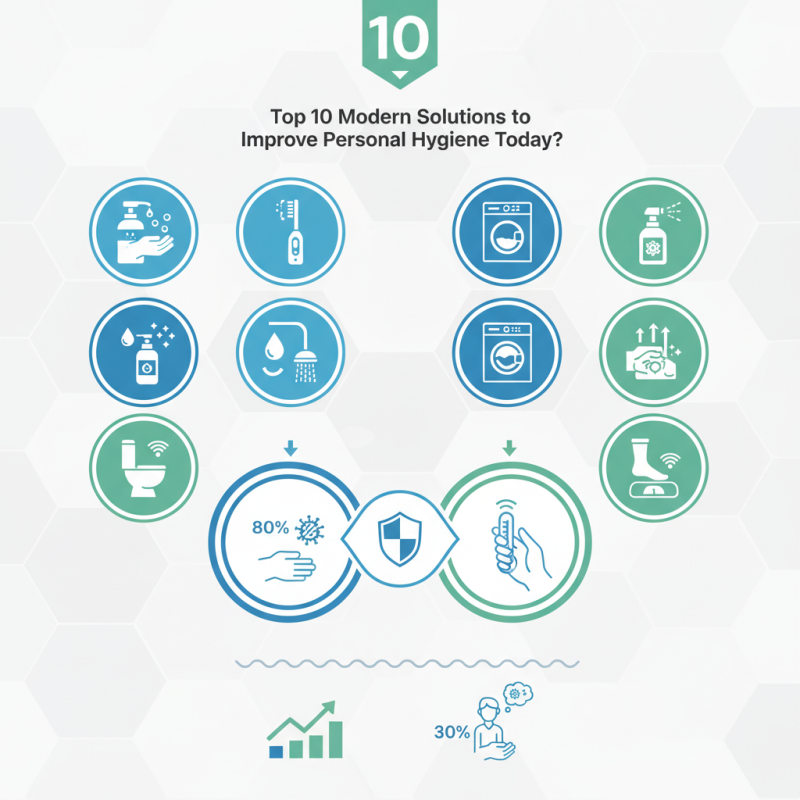
Top 10 Modern Solutions to Improve Personal Hygiene Today?

Innovative Personal Care Products Revolutionizing Hygiene Practices

In today's fast-paced world, personal hygiene has taken on new dimensions. Innovative products are now available that cater to diverse needs. Many of these solutions go beyond traditional treatments. They incorporate advanced technology and sustainable materials. For instance, self-cleaning surfaces for personal items have become a game-changer. These surfaces kill bacteria on contact, reducing the risk of infections.

Another fascinating trend is the rise of biodegradable personal care items. These products are environmentally friendly, offering effective hygiene without harmful waste. Imagine a toothbrush that decomposes, leaving no trace behind. Additionally, portable sanitizing devices are gaining traction. They fit easily into pockets or bags, ensuring cleanliness on the go.

However, with this innovation comes the challenge of misinformation. Always research before trying new products. Claims can sometimes be misleading. The effectiveness of some items may not meet expectations. Balancing convenience with reliability is crucial. Stay informed and skeptical. It’s essential to know what works best for your hygiene routine. The right products should enhance your well-being without compromising on sustainability.

Smart Gadgets for Tracking and Enhancing Personal Hygiene

In today's digital age, smart gadgets are revolutionizing personal hygiene. These devices not only track hygiene practices but also enhance them. A recent report by Statista indicates that the global market for personal hygiene gadgets is expected to reach $6 billion by 2025. This surge reflects a growing awareness of health and cleanliness.

Wearable hygiene trackers, for example, monitor handwashing habits. They remind users to wash their hands and provide feedback on how long they've done so. According to the World Health Organization, proper hand hygiene can reduce respiratory infections by 21%. Such devices aim to instill better habits, but some struggle with consistent use.

Another innovation is smart toothbrushes. These tools provide real-time data on brushing techniques and frequency. Research indicates that nearly 80% of people do not brush for the recommended two minutes. With these gadgets, users can see their brushing patterns and adjust accordingly. However, reliance on technology may lead to complacency in manual brushing.

These advancements in personal hygiene reflect the intersection of technology and health. As we embrace these tools, we must also be cautious about over-dependence on gadgets. Balancing tech with personal responsibility remains key in this hygiene revolution.

Sustainable Solutions for Environmentally Friendly Hygiene

Hygiene plays a crucial role in our health, but traditional products often harm the environment. Making conscious choices is essential. Sustainable solutions can significantly lessen our ecological footprint while keeping us clean. For instance, biodegradable soaps and shampoos reduce plastic waste. They break down naturally, minimizing pollution.

Choosing reusable sanitary products is also a practical option. Items like cloth pads and menstrual cups limit single-use waste. These alternatives are gaining popularity but still require awareness. Not everyone may feel comfortable with them initially, and that’s okay. It’s important to educate ourselves and others about their benefits.

Another effective solution is switching to bamboo toothbrushes. Unlike plastic, bamboo is naturally biodegradable. It takes time to adapt to new habits, such as remembering to replace an old toothbrush. The transition may not be perfect, but small changes can lead to a more sustainable lifestyle. Simple adjustments in our daily routines can improve hygiene and the planet’s health simultaneously.

Digital Resources for Building Consistent Hygiene Routines

In today's digital age, maintaining personal hygiene is more accessible than ever. Numerous apps and online resources help individuals build effective hygiene routines. These tools offer reminders, educational content, and tracking mechanisms. Users can set personal goals and receive instant feedback on their progress. Simple interfaces make it easy to understand and engage with these resources.

Studies show that consistency is key to habits. Yet, many struggle with maintaining their routines. Digital resources can alleviate that struggle. For instance, visual tools can highlight the importance of daily practices. They often include helpful tips and reminders about washing hands or brushing teeth. While many people think they already have solid routines, digital aids can reveal discrepancies and foster improvement.

In addition to apps, online communities also play a vital role. Sharing experiences can motivate individuals to adhere to better practices. Users can learn from others, exchanging tips and challenges. Social media is another platform where people discuss hygiene issues. This can lead to unexpected insights but may also propagate misinformation, requiring careful discernment.

Top 10 Modern Solutions to Improve Personal Hygiene Today

Solution Description Benefits Usage Tips
Touchless Soap Dispensers Automatically dispenses soap without contact. Reduces germ transfer. Keep filled with liquid soap for best results.
UV-C Sanitizing Devices Uses ultraviolet light to kill pathogens on surfaces. Effective against viruses and bacteria. Follow usage instructions for safety.
Smart Toothbrushes Monitors brushing habits and provides feedback. Improves dental hygiene. Sync with your phone for tracking.
Hand Sanitizing Stations Accessible hand sanitizer dispensers. Encourages regular hand hygiene. Place in high-traffic areas.
Digital Hygiene Trackers Apps that help track hygiene habits. Promotes consistency in hygiene routines. Set reminders for tasks.
Antimicrobial Fabrics Fabrics embedded with antimicrobial agents. Reduces the growth of bacteria on textiles. Ideal for clothing and linens.
Healthy Lifestyle Apps Apps designed to support overall health. Contributes to better personal hygiene. Incorporate hygiene tips into routine.
Disinfection Robotics Robots that automate disinfection processes. Enhances cleaning efficiency. Utilize in high-risk environments.
Wearable Hygiene Monitors Devices that track hygiene metrics. Promotes personal hygiene awareness. Check stats regularly for improvement.

Emerging Technologies in Touchless Sanitization and Cleaning

The rise of touchless sanitization technologies has revolutionized personal hygiene practices. According to a recent report by Grand View Research, the global touchless technology market is projected to grow by over 20% annually. This rapid growth signifies a shift toward more hygienic environments in public spaces and households alike. Touchless solutions, such as automatic hand sanitizers and touchless faucets, eliminate direct contact, reducing the risk of germ transmission.

One intriguing development is the use of UV-C light for sanitization. Research from the American Journal of Infection Control indicates that UV-C light can destroy up to 99.9% of pathogens on surfaces. This advancement provides efficient cleaning without the reliance on chemical agents, which can have harmful side effects. However, some concerns remain about the safety of prolonged UV exposure for humans.

Despite these advancements, issues persist in their implementation. Many touchless systems are not universally accessible, which can lead to disparities in cleanliness. Furthermore, over-reliance on technology might result in complacency regarding traditional hygiene practices. A careful balance is needed to ensure that emerging technologies effectively complement established habits against the spread of germs.

Top 10 Modern Solutions to Improve Personal Hygiene Today

FAQS

: What are smart hygiene gadgets?

: They are devices that track and enhance personal hygiene practices, like handwashing and brushing teeth.

How do wearable hygiene trackers work?

They monitor handwashing habits and remind users to wash their hands correctly.

What impact do smart toothbrushes have?

They provide real-time data on brushing techniques, but many still do not brush for the recommended time.

Why is consistency important in hygiene routines?

Consistency helps establish effective habits, yet many individuals struggle to maintain their routines.

How can digital resources aid in hygiene?

They provide reminders, tips, and tracking methods to help users improve their hygiene practices.

What role do online communities play in hygiene habits?

They motivate individuals by sharing experiences and tips, though misinformation can also spread.

What are touchless sanitization technologies?

These include automatic hand sanitizers and touchless faucets that reduce direct contact with surfaces.

What is the significance of UV-C light for sanitization?

It can destroy up to 99.9% of pathogens on surfaces without harmful chemicals but raises safety concerns.

What challenges exist with implementing touchless systems?

Not all systems are accessible, and over-reliance on tech may lead to neglect of traditional hygiene practices.

How can we balance technology and personal hygiene responsibility?

It's crucial to use technology as a complement rather than a substitute for established hygiene habits.

Conclusion

In today's world, understanding how to improve personal hygiene with modern solutions is essential for maintaining health and well-being. Innovative personal care products are transforming traditional hygiene practices, offering better efficiency and effectiveness. Alongside these products, smart gadgets are available to track and enhance individual hygiene routines, ensuring consistent practices are easily maintained.

Furthermore, sustainable hygiene solutions are emerging, promoting environmentally friendly choices that do not compromise quality. Digital resources also play a crucial role, providing guidance on establishing consistent hygiene habits. Lastly, cutting-edge technologies in touchless sanitization and cleaning are reshaping how we approach hygiene, minimizing contact and maximizing safety. Together, these advancements present a comprehensive approach to enhancing personal hygiene.

Isabella

Isabella

Isabella is a dedicated marketing professional with a sharp focus on driving brand growth and engagement through strategic content creation. With an extensive background in digital marketing, she combines her passion for storytelling with her keen understanding of industry trends to deliver......