How to improve personal hygiene with modern solutions begins with practical habits, not expensive gadgets. Clean hands, fresh towels, oral care, safe food handling, and regular bathing remain essential. Modern tools can make these actions easier, faster, and more consistent.
The WHO and UNICEF Joint Monitoring Programme reported that about two billion people lacked basic hygiene facilities at home in 2022. This finding shows the global importance of accessible hygiene solutions. Industry research from Grand View Research also identifies growing demand for personal hygiene products, including touchless dispensers, water-saving fixtures, and connected health devices. However, innovation should support proven behavior. It should not replace it.
Professor Sally Bloomfield, a leading home-hygiene expert and former chair of the International Scientific Forum on Home Hygiene, has stated, “Hygiene is not about being clean; it’s about protecting ourselves and others from infection.” Her view keeps technology in perspective. A sensor-operated soap dispenser can reduce contact on a bathroom surface. A phone reminder can support regular toothbrushing. A shower timer can reduce water waste. Small changes matter.
Still, no routine is perfect. A smart device may run out of batteries. A rushed handwash may miss the thumbs and fingertips. These details deserve honest review. The CDC recommends washing hands with soap and water for at least 20 seconds, especially before eating and after using the bathroom. The best solution is therefore balanced: combine reliable hygiene guidance, suitable products, and personal awareness. That is the practical path toward healthier daily living.
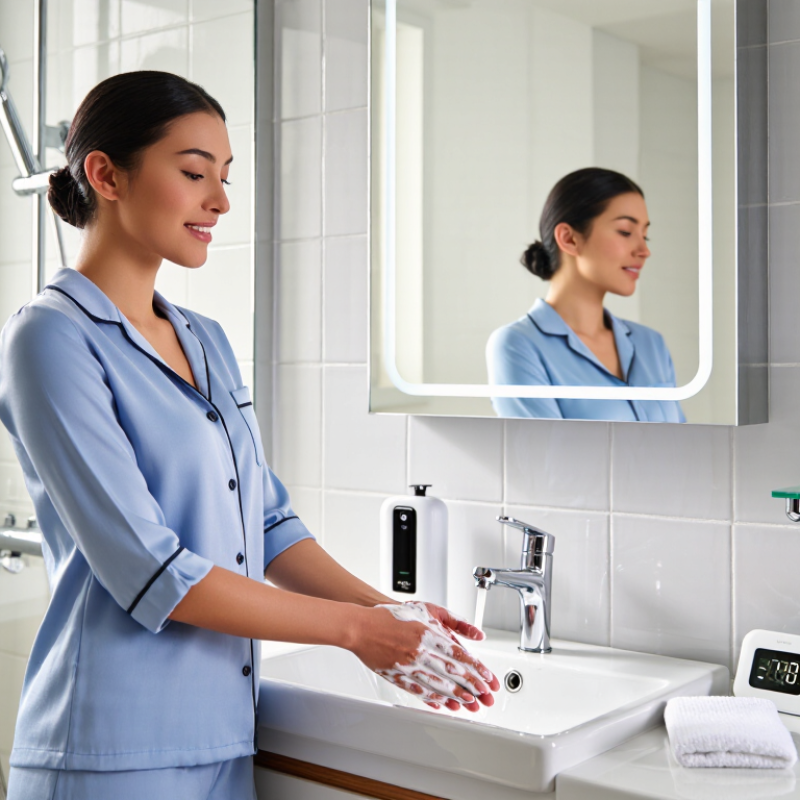
Personal hygiene is no longer only a matter of soap, water, and habit. Modern solutions can reduce friction, measure routines, and make safer behavior easier to repeat. This matters where time, mobility, or clean water is limited. The WHO/UNICEF Joint Monitoring Programme reported that 2.0 billion people lacked basic hygiene services at home in 2022. About 653 million had no handwashing facility at all.
Practical tools include touch-free dispensers, water-saving taps, reminder lights, and digital usage logs. Their value is not novelty. It is consistent use. WHO guidance recommends 20–30 seconds for alcohol-based handrub and 40–60 seconds for soap and water. A timer can reveal this invisible gap. A refill indicator can prevent an empty dispenser from becoming a hygiene failure. WHO’s 2022 global report found that healthcare-associated infections affect about 7 in 100 patients in high-income countries and 15 in 100 patients in low- and middle-income countries. Hand hygiene remains a basic protective measure.
Yet technology can create false confidence. A sensor cannot clean neglected fingertips. A dashboard may record clicks, not real washing. Even careful users miss steps when rushed. I do too. Good design should consider placement, accessibility, refill cost, battery waste, and privacy. The simplest device, placed beside a frequently used sink, may outperform a sophisticated system hidden in a cabinet. Real improvement depends on behavior, maintenance, and honest evaluation, not impressive features alone.
A reliable hygiene routine begins with small actions repeated at predictable times. In my own experience, placing a timer near the sink made brushing and handwashing more consistent. A simple digital reminder can signal morning care, evening care, and towel changes. Keep it practical. Too many alerts become background noise.
Smart tools can support, but they cannot replace judgment. A waterproof timer may help you brush for two minutes without guessing. A touch-free dispenser can reduce contact with shared surfaces. A humidity sensor can warn when a bathroom stays damp, which encourages better ventilation and towel drying. Clean these devices regularly. Otherwise, helpful tools may collect residue and bacteria.
I also use a checklist for less visible tasks, such as cleaning combs, trimming nails, and washing reusable cloths. One mistake is treating the checklist as a perfect schedule. Travel, illness, and tired evenings interrupt it. That is normal. If skin becomes irritated, reduce harsh products and seek professional advice when symptoms persist. Privacy matters too, so connected devices should use strong passwords and limited data sharing. A routine works best when it fits real life, not an imagined perfect day.
Building a Daily Hygiene Routine with Smart Tools
Use timers, reminder apps, and sensor-based dispensers to make evidence-based habits easier to follow. The chart shows commonly recommended per-session targets: wash hands with soap for at least 20 seconds, rub alcohol-based sanitizer until dry, and brush teeth for two minutes. Handwashing is especially important after using the toilet, before eating, and after coughing or sneezing.
Modern hygiene is not about buying the strongest product. It is about matching a safe product to a specific need, skin type, and daily setting.
The WHO and UNICEF Joint Monitoring Programme reported that 2.3 billion people lacked basic hygiene services at home in 2022. This shows that practical access matters as much as product choice.
For hand cleaning, soap and running water remain reliable options. When they are unavailable, the CDC recommends hand sanitizer containing at least 60% alcohol. Keep it away from children and avoid using it on visibly dirty hands.
For dry or sensitive skin, choose fragrance-free cleansers and apply a simple moisturizer afterward. A small patch test can reveal irritation before full use. It is easy to skip.
Personal care needs also differ across age, activity, and body area.
A mild, unscented product may suit daily washing, while frequent exercise may require more effective odor control. Do not assume a stronger scent means better hygiene. The American Academy of Dermatology advises testing new skincare products on a small area first, especially when skin is reactive.
I once chose a product because it felt “extra clean,” but it caused tightness later. That experience changed my routine: fewer ingredients, careful labels, and slower testing.
Reliable hygiene is built through observation, not advertising claims.
Modern hygiene improves when technology turns vague intentions into visible routines. A phone reminder can prompt handwashing after commuting or before meals. A simple habit log records time, duration, and missed moments. Small data helps. In my own routine, a bathroom timer made brushing more consistent, especially on rushed mornings. Yet reminders can become background noise. I sometimes dismiss them without thinking. That failure matters because honest tracking is more useful than perfect-looking charts.
Wearable devices and connected bathroom tools can measure patterns, not personal worth. Some tools estimate brushing duration, pressure, or shower frequency. Their readings should guide questions, not replace professional advice. A dentist can assess gum health more reliably than an app. A clinician can investigate persistent skin irritation or unusual odor. Use secure settings, review permissions, and avoid sharing intimate records casually. Technology should serve hygiene, not expose it.
A practical system needs few steps. Set one reminder for a specific trigger, such as arriving home. Keep soap, a clean towel, and sanitizer within reach. Review the weekly record for missed patterns. If late-night brushing repeatedly fails, move it earlier. My records still contain gaps, and sensors sometimes misread behavior. That imperfection encourages reflection. The goal is a safer, cleaner routine built from evidence and adjusted through real life.
How to Improve Personal Hygiene with Modern Solutions?
Maintaining hygiene standards requires regular review, not one-time effort. The WHO and UNICEF Joint Monitoring Programme reported that about 2 billion people lacked basic hygiene services at home in 2022. This figure shows why practical routines still matter. At home, review handwashing areas every week. Check whether soap is available, water flows clearly, and towels dry fully. A simple checklist can reveal problems that busy routines hide.
Modern tools can make these reviews more consistent. Touchless dispensers reduce shared contact points, while refill alerts prevent empty containers. Place one near the bathroom sink and another beside the kitchen area. The CDC reports that proper handwashing can reduce diarrheal illness by about 31% and respiratory illness by 16–21%. However, equipment does not replace behavior. Observe whether hands are cleaned after using the toilet, before food preparation, and after touching waste. Small gaps count.
Review the routine monthly. Examine dry skin, irritation, unpleasant odors, and missed cleaning areas. These details may indicate excessive washing or poor product choices. Keep records, but do not pretend they are perfect. People forget, especially during travel or stressful days. A short reminder near the sink may work better than a long instruction sheet. Reassess the setup when household members change, illness occurs, or supplies run low. Hygiene standards should remain practical, measurable, and open to correction.
A practical review framework for measuring, improving, and maintaining everyday personal hygiene standards.
| Hygiene Area | Recommended Standard | Modern Solution | Key Measure | Review Frequency | Improvement Trigger |
|---|---|---|---|---|---|
| Handwashing | Wash with soap and clean running water for at least 20 seconds, especially after using the toilet, before eating, and after coughing or sneezing. | Use a timed handwashing reminder or a touch-free faucet and soap dispenser. | At least 20 seconds; all hand surfaces covered. | Daily self-check; weekly review. | Frequent missed moments or rushed washing. |
| Hand Sanitizing | When soap and water are unavailable, use an alcohol-based hand sanitizer containing at least 60% alcohol. | Keep sanitizer in accessible locations and use a refill-level reminder. | Coverage of palms, backs of hands, fingers, and fingertips until dry. | Weekly supply check. | Empty dispenser, incorrect concentration, or visibly dirty hands. |
| Oral Hygiene | Brush teeth twice daily for approximately two minutes using fluoride toothpaste; clean between teeth regularly. | Use a two-minute timer, pressure feedback, or a digital brushing log. | Two brushing sessions per day; approximately 120 seconds per session. | Daily tracking; monthly review. | Repeated missed sessions, gum bleeding, or persistent oral discomfort. |
| Bathing and Skin Care | Clean the body regularly according to activity, climate, skin type, and medical needs; dry skin folds thoroughly. | Use a routine calendar and fragrance-free products when skin sensitivity is a concern. | Clean skin, dry folds, and no persistent irritation or unusual odor. | Daily observation; monthly routine review. | Persistent rash, cracking, itching, or worsening irritation. |
| Hair and Scalp Care | Clean the scalp often enough to manage oil, sweat, and product buildup without causing dryness or irritation. | Use a reminder based on exercise, climate, scalp condition, and personal routine. | Comfortable scalp with controlled oil, sweat, and buildup. | Weekly review. | Persistent flakes, sores, excessive oil, or irritation. |
| Nail Hygiene | Keep fingernails short and clean; clean under nails during handwashing and avoid biting nails. | Set a recurring nail-care reminder and use a dedicated nail brush when needed. | No visible dirt under nails; nails trimmed and intact. | Weekly review. | Accumulated dirt, damaged skin, or frequent nail biting. |
| Clothing and Towels | Change clothing, underwear, socks, and towels regularly, and wash items sooner after heavy sweating or visible contamination. | Use a laundry schedule and moisture-aware storage to prevent dampness. | Items are clean, dry, odor-free, and appropriate for use. | After use and weekly laundry review. | Dampness, persistent odor, visible stains, or skin irritation. |
| Personal Devices | Clean frequently touched devices according to the device manufacturer's safety instructions and avoid sharing personal items. | Use a recurring cleaning reminder and a compatible disinfecting wipe. | No visible residue; cleaning method is compatible with the device. | At least weekly and after heavy contamination. | Visible dirt, shared use, or contact with contaminated surfaces. |
| Routine Review | Review hygiene habits, supplies, barriers, and health changes; adjust routines to personal needs and professional advice. | Track habits with a simple checklist or calendar rather than relying on memory. | Completion rate, supply availability, and unresolved concerns. | Every 30 days. | Completion below the personal goal for two consecutive reviews or symptoms that persist. |
Note: Hygiene routines should be adapted for age, disability, occupation, climate, skin condition, and medical advice. Seek professional care for persistent pain, rash, bleeding, infection signs, or unusual odor.
Link simple tasks to predictable times, such as brushing after breakfast and washing hands before meals. Keep reminders limited.
Yes. A waterproof timer can guide a two-minute brushing period without guessing. Clean it regularly.
A touch-free dispenser reduces shared-surface contact. A humidity sensor can encourage ventilation and faster towel drying.
Wipe devices regularly to remove residue. Otherwise, helpful tools may become dirty themselves.
Add less visible tasks, including cleaning combs, trimming nails, and washing reusable cloths. Keep it flexible.
Travel, illness, and tired evenings can interrupt plans. That is normal. Restart with the next practical task.
Choose fragrance-free cleansers and apply a simple moisturizer afterward. Test a small skin area first.
Use sanitizer containing at least 60% alcohol when soap and running water are unavailable. It works poorly on visibly dirty hands.
No. Fragrance strength does not prove effectiveness. Match the product to your skin, activity, and body area.
Stop or reduce the harsh product and observe your skin. Seek professional advice if symptoms continue. I still sometimes test too quickly.
Modern solutions can make personal hygiene more consistent, practical, and easier to maintain. Learning how to improve personal hygiene with modern solutions begins with understanding how simple tools, clear routines, and safe products support everyday cleanliness. A daily plan may include reminders for bathing, handwashing, oral care, skincare, laundry, and cleaning frequently touched items. Smart tools such as timers, digital checklists, and habit trackers can encourage regular practice without making hygiene feel complicated.
Choosing gentle, suitable products for different needs is also important, especially for sensitive skin or specific personal concerns. Technology can help users monitor routines, identify missed habits, and set realistic goals, but it should support—not replace—good judgment and professional advice when needed. Regularly reviewing hygiene habits allows people to adjust their routines according to changes in lifestyle, environment, health, or personal comfort. With safe choices, consistent actions, and occasional evaluation, modern solutions can help build sustainable hygiene standards and promote greater confidence in daily life.

Toilvora Toilet