Maintaining hygiene in the bathroom is crucial for health. According to a study from the American Journal of Infection Control, bathrooms can harbor over 200 different types of bacteria. These germs can pose a risk to your family's health. Experts say improving hygiene can greatly reduce these risks.
One leading authority in the field, Dr. Emily Turner, states, "How to improve bathroom hygiene at home begins with our daily habits." Her insight highlights that small changes can lead to significant impacts. Regular cleaning and proper ventilation are key factors. Furthermore, research indicates that the use of antibacterial soaps can reduce microbial presence by up to 90%.
However, a common challenge is maintaining consistency. Many people clean their bathrooms infrequently. This inconsistency allows bacteria to thrive. To overcome this, creating a schedule might help. Understanding how to effectively improve bathroom hygiene at home requires commitment and education. Ultimately, better hygiene practices can protect your loved ones from potential health threats.
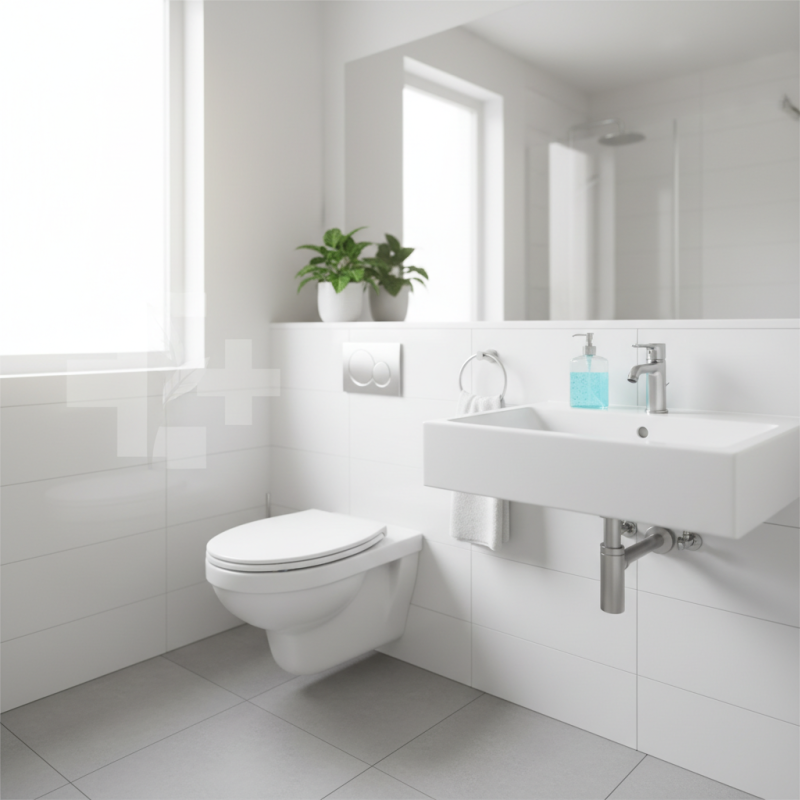
Maintaining bathroom hygiene is vital for overall health. Regular cleaning routines can minimize germs and unpleasant odors. Focus on high-touch areas like sinks, faucets, and toilet handles. Use a multi-surface cleaner that effectively combats bacteria.
Tips: Clean the toilet seat daily. Germs thrive in hidden spots. Wipe down surfaces with disposable wipes for a swift clean. A quick scrub can make a big difference in hygiene.
Change towels and bath mats frequently. Damp fabrics can encourage mold growth. Consider washing towels every three days. Utilize hot water to eliminate dirt and germs.
After showering, keep the bathroom ventilated. Moist air promotes mold and mildew. Open windows or use an exhaust fan. Reflect on areas neglected in your routine. A little attention goes a long way.
Maintaining bathroom hygiene is essential for overall health. Focus on critical areas to ensure comprehensive sanitation.
One key area is the toilet. Regularly scrub the bowl with a disinfectant. Don’t forget the exterior; germs can hide here too. Consider using a toilet brush with an angled handle for better reach and effectiveness.
Another area is the sink. Bacteria often linger around faucets and drain areas. Wipe down these spots daily with a surface cleaner. Ensure you clean the handles often since they are frequently touched. Use an abrasive cleaner for tougher stains.
Lastly, pay attention to towels and bath mats. Wash them weekly in hot water to kill bacteria. Air-dry them in sunlight when possible. This not only helps in sanitation but also leaves them fresh. Regularly inspect these items for wear and tear, replacing them when necessary. It’s easy to overlook these details, but doing so can significantly impact your health.
Disinfecting bathroom surfaces is crucial for maintaining health and hygiene. Regular cleaning helps reduce bacteria and germs. Start by gathering essential supplies. You’ll need disinfectant wipes or sprays, rubber gloves, and microfiber cloths. Make sure to read the labels to understand the product's effectiveness.
Focus on high-touch areas like faucets, light switches, and door handles. These spots can harbor germs easily. It's important to pay attention to less obvious surfaces too, such as the toilet tank and bathroom shelves. Use a thorough technique, wiping from top to bottom. This ensures you are not spreading dirt and germs to already cleaned areas.
Reflection is needed in our cleaning habits. Are we really cleaning these surfaces effectively? Sometimes, we rush through tasks. Taking the time to scrub and allow disinfectants to sit for adequate time is essential. Remember, a seemingly clean surface might still pose health risks. Prioritizing bathroom hygiene can lead to a healthier home environment.
| Surface | Recommended Cleaner | Frequency of Cleaning | Key Disinfection Tips |
|---|---|---|---|
| Toilet | Bleach or Toilet Bowl Cleaner | Daily | Use a toilet brush and let cleaner sit for 10 minutes before scrubbing. |
| Sink | Multi-surface cleaner | Every other day | Wipe down faucets and handles with a disinfectant wipe. |
| Shower/Bathtub | Mildew remover or Vinegar | Weekly | Ensure good ventilation and scrub tiles to remove soap scum. |
| Floor | Floor cleaner or Disinfectant | Weekly | Mop with hot water and cleaner to eliminate germs. |
| Towels | Laundry detergent | Every three days | Wash in hot water and dry thoroughly to kill bacteria. |
Maintaining good air quality and controlling odors in the bathroom are essential for overall hygiene and health. Studies reveal that bathrooms often harbor a higher concentration of airborne bacteria compared to other household areas. In fact, the Environment Protection Agency (EPA) notes that indoor air can be more polluted than outdoor air. This means that managing air quality is critical.
To enhance bathroom air quality, proper ventilation is key. Installing an exhaust fan can reduce humidity, preventing mold growth. According to the U.S. Department of Health and Human Services, adequate ventilation can lower the risk of respiratory issues. Open windows whenever possible to allow fresh air circulation. Essential oils, like tea tree or eucalyptus, can also help neutralize odors, acting as natural disinfectants while providing a pleasant scent.
Effective odor control can also be achieved through regular cleaning. Toilets should be cleaned weekly, focusing on hard-to-reach areas. Likewise, bath mats and towels need to be washed regularly. Leaving them damp can create a breeding ground for bacteria. Remember, aspects like poor drainage can exacerbate unpleasant smells. It's a good practice to check for blockages or leaks that could contribute to the problem. Sometimes, the very places meant to clean can cultivate germs. Reflecting on these details can make a significant difference in your bathroom's hygiene and atmosphere.
When it comes to improving bathroom hygiene, using safe and eco-friendly cleaning products is essential. Avoid harsh chemicals that can harm both your health and the environment. Instead, consider natural alternatives. Baking soda, vinegar, and essential oils can be effective in keeping surfaces clean and fresh.
Tips: A simple mixture of vinegar and water can clean mirrors without streaks. For stubborn stains, sprinkle baking soda and scrub lightly. Remember that essential oils not only provide a pleasant scent but also have antibacterial properties. Choose oils like tea tree or lavender to enhance cleanliness.
It's important to reflect on how products impact both our health and Earth. Search for reliable recipes for DIY cleaners. Ensure that the ingredients are safe and non-toxic. While attempting to switch to eco-friendly products, some trials may fail to meet effectiveness standards. Adapt your approach as needed and stay informed about new options. By staying committed, you're contributing to a healthier home and environment.
: Clean the toilet seat daily to minimize germs.
Use a multi-surface cleaner or disinfectant wipes for effective cleaning.
Ventilation helps prevent mold and mildew from forming in damp air.
Wash towels every three days to prevent mold growth.
Surfaces like toilet tanks and bathroom shelves are frequently overlooked.
Yes, studies show bathrooms often have higher airborne bacteria levels.
Regular cleaning and using essential oils can help neutralize odors.
Allow disinfectants to sit and scrub thoroughly for better results.
Yes, damp fabrics can encourage mold and bacteria growth.
Rushing through tasks can lead to ineffective cleaning and health risks.
Improving bathroom hygiene at home is crucial for promoting better health and preventing the spread of germs. Essential cleaning routines should focus on high-traffic areas such as sinks, toilets, and showers. Regularly disinfecting these surfaces is vital; consider using effective practices that target the most contaminated spots. Additionally, maintaining air quality and managing odors are key components of a clean bathroom environment. Using safe and eco-friendly cleaning products can assure both hygiene and sustainability, ensuring that your cleaning efforts are beneficial for both your health and the planet.
In summary, knowing how to improve bathroom hygiene at home involves understanding these core concepts and implementing a consistent cleaning regimen. By prioritizing certain areas, utilizing effective disinfecting methods, and opting for environmentally friendly products, you can create a healthier and more pleasant bathroom space.

Toilvora Toilet