How often should bathroom systems be replaced is not answered by one universal calendar date. In 2026, homeowners should assess each component separately, including toilets, faucets, shower valves, drains, ventilation, and hidden supply pipes. A bathroom may look clean while a corroded valve drips behind the wall. Small stains can become expensive repairs.
The National Association of Home Builders’ Life Expectancy of Home Components study places many bathroom fixtures within a broad 15-to-20-year service range, depending on water quality, materials, installation, and maintenance. Its figures are useful planning references, not guarantees. The U.S. Environmental Protection Agency reports that WaterSense-labeled products use at least 20% less water than standard models while maintaining performance. That matters when an older toilet uses excessive water or repeatedly clogs. The EPA’s WaterSense Product Search can help verify current efficiency claims.
Look closer.
Professional plumbing inspections also focus on pressure, leaks, mineral buildup, ventilation performance, and the condition of shutoff valves. A 2024 Houzz bathroom trends study found that homeowners continue investing in upgraded showers, storage, and water-saving fixtures, but appearance should not lead the decision. I have seen attractive bathrooms with aging connectors and poorly sealed joints. Replacement timing becomes more urgent when repairs repeat, flushing weakens, grout stays damp, or mold returns near exhaust fans. Still, replacement estimates can be imperfect. Manufacturer warranties, local water conditions, and previous workmanship may change the expected lifespan. This guide explains practical warning signs and responsible replacement intervals for bathroom systems in 2026.
How Often Should Bathroom Systems Be Replaced in 2026?
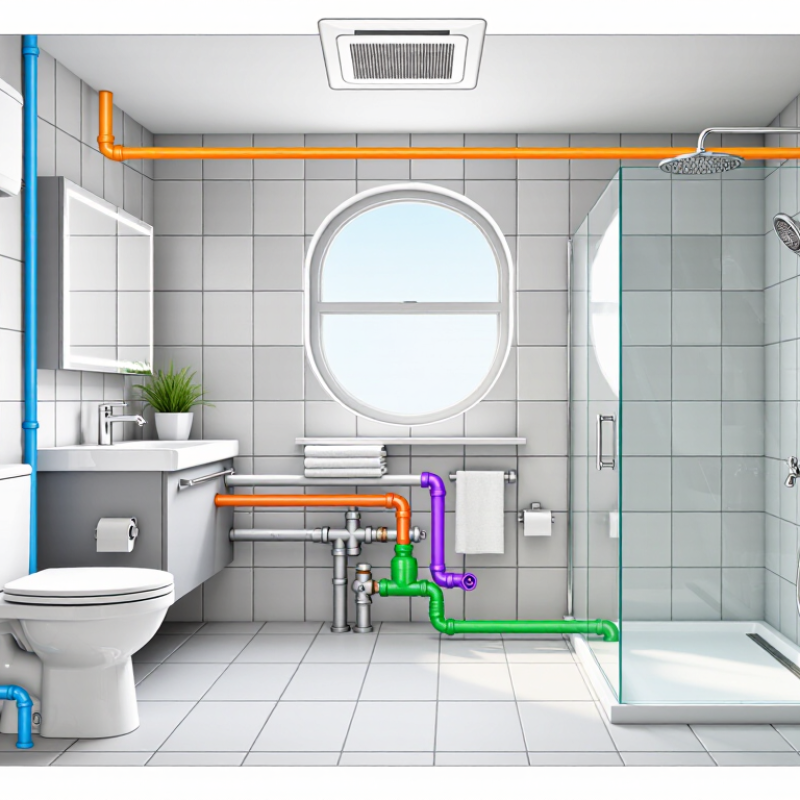
A bathroom system includes more than visible fixtures. Toilets, sinks, showers, and tubs form the fixture layer. Behind them, supply pipes, drains, valves, seals, and traps control water movement. Ventilation removes humidity, odors, and airborne moisture. The hot water system supplies heated water through a tank, heat exchanger, or dedicated line.
Replacement timing depends on condition, material, water quality, and installation history. A dripping tap may need a cartridge, not a new fixture. Repeated blockages can indicate damaged drains or poor pipe alignment. Rust-colored water, damp cabinet panels, and soft flooring deserve professional inspection. Small clues often appear before major failure.
Ventilation fans commonly lose performance when dust covers the grille or moisture reaches the motor. Check airflow with a thin tissue, but do not treat that test as a complete diagnosis. Hot water equipment may last many years, yet sediment, corrosion, and unstable temperatures shorten its useful life. Plumbing inspections every few years can reveal hidden leaks and aging connectors. Some replacement guides suggest fixed intervals, but that advice can mislead. A lightly used bathroom and a heavily used family bathroom rarely age alike. In 2026, plan replacements around measured wear, repair history, energy performance, and safety rather than appearance alone.
Typical residential planning ranges for bathroom fixtures, plumbing, ventilation, and hot-water equipment. These are not mandatory replacement dates; actual service life depends on water quality, installation, maintenance, usage, and local building conditions.
Fixtures and equipment are commonly replaced when they leak, become unsafe, lose efficiency, or no longer meet household needs. Concealed plumbing and ventilation ducting can last much longer when properly installed and free from corrosion or moisture damage.
How Often Should Bathroom Systems Be Replaced in 2026?
Bathroom fixtures rarely follow one exact calendar. The National Association of Home Builders’ Life Expectancy of Home Components report places faucets at about 15 years. Toilets, however, are often listed as lasting a lifetime. That difference matters when planning a 2026 renovation. A faucet may look acceptable while its cartridge, seals, or supply connections quietly deteriorate. A toilet can remain functional for decades, but “lifetime” does not mean maintenance-free.
The U.S. Environmental Protection Agency’s WaterSense data adds another practical measure. WaterSense-labeled toilets use no more than 1.28 gallons per flush, while older models may use considerably more. Replacement can therefore make sense before failure, especially in a frequently used bathroom. Check for a running tank, hairline cracks, rocking at the floor, repeated clogs, or stains around the base. Small leaks become expensive when hidden beneath flooring.
Real homes are less predictable than charts. Hard water, aggressive cleaners, poor installation, and heavy household use can shorten fixture life. I would not replace a sound toilet only because it is old. Yet I would question a “lifetime” estimate when repairs become frequent. Keep dated service records, inspect shutoff valves annually, and ask a qualified plumber to assess concealed connections before remodeling. The NAHB figures are useful planning benchmarks, not guarantees.
How Often Should Bathroom Systems Be Replaced in 2026?
A bathroom system does not need full replacement on a fixed calendar. Toilets deserve closer attention when they use 3.5 gallons per flush. EPA WaterSense data supports replacing these older units with efficient 1.28-GPF models. Each flush can save about 2.22 gallons. Small change. Large effect.
For example, four people flushing five times daily could save roughly 16,000 gallons annually. Actual savings depend on household habits, leaks, and toilet performance. A leaking flapper can waste more water than expected. Check the tank for silent ripples and inspect the shutoff valve for corrosion. These details matter.
I recommend replacement when an older toilet clogs often, cracks, rocks at the floor, or needs repeated repairs. Choose a properly certified 1.28-GPF model with verified flushing performance. The lowest water use is not always the best choice. Poor installation can cause rocking, leaks, or weak drainage. A qualified plumber should inspect the flange, supply line, and bathroom floor before installation. In some homes, the existing drain design may also affect performance. I have seen replacement plans fail because measurements were rushed. That is worth remembering. Fresh hardware cannot correct a damaged floor or an incorrectly positioned drain.
Bathroom exhaust systems rarely have one fixed replacement date. A well-maintained fan may operate for 10 to 15 years, but moisture, noise, weak airflow, and rust can signal earlier failure. In field inspections, a simple tissue test often reveals poor suction. Condensation on mirrors and ceiling corners is another warning sign.
ASHRAE 62.2 provides a useful performance target for homes. Bathrooms need 50 CFM of intermittent exhaust, or 20 CFM when operating continuously. The fan should discharge outdoors through a properly sized, unobstructed duct. A powerful fan cannot correct a crushed duct or a blocked exterior grille. Measure airflow instead of trusting the label.
Replacement decisions should consider actual performance, not age alone. Clean the grille and inspect the duct annually. Listen for grinding, rattling, or delayed startup. If the fan cannot approach 50 CFM intermittently, replacement may be sensible. Local building requirements can differ, so confirm the adopted code before work begins. A practical rule can still mislead. Some older systems work surprisingly well, while newer ones may be poorly installed. I would also check whether the bathroom door has enough undercut for makeup air. Without it, the fan may run loudly and remove far less moisture than expected.
Build the 2026 schedule around the U.S. Department of Energy’s estimated 10–15-year water heater life. This range applies to many conventional storage heaters, but household conditions can shorten it. Hard water, heavy use, poor maintenance, and a damp installation area all increase wear. Age matters.
Check the tank, valves, pipes, and nearby flooring at least once each year. Look for rusty water, popping sounds, slow recovery, or moisture around the base. These signs may indicate internal corrosion or failing components. A ten-year-old heater with no symptoms may continue working, but it should not be ignored. Small leaks grow.
Plan a professional inspection before the tenth year, then review replacement options before year fifteen. Add bathroom fans, supply lines, shutoff valves, and sealants to the same maintenance calendar, although they may need different timelines. Replace cracked hoses or corroded valves sooner. Keep records. A dated photo of the tank label, pressure valve, and connections can prevent guesswork later. The 10–15-year guideline is useful, yet it is not a guarantee. Actual service life depends on installation quality, water chemistry, and daily demand. My schedule would allow some flexibility, but I would not wait for a flooded floor to make the decision.
Consider replacement when it uses 3.5 gallons per flush, clogs often, rocks, cracks, or needs repeated repairs.
Each flush may save about 2.22 gallons. A four-person household could save roughly 16,000 gallons yearly.
No. Savings depend on flushing habits, leaks, and toilet performance. I might underestimate hidden water loss.
Check the flange, supply line, floor, and drain position. Rushed measurements can cause leaks or poor drainage.
Yes. Inspect the tank for silent ripples and check the shutoff valve for corrosion. Small leaks matter.
Many last about 10–15 years. Hard water, heavy use, damp areas, and poor maintenance may shorten that range.
Watch for rusty water, popping sounds, slow recovery, or moisture around the tank base. Small leaks grow.
Arrange a professional inspection before year ten. Review replacement options before year fifteen. Do not wait for flooding.
Track fans, supply lines, shutoff valves, sealants, and water heaters. Replace cracked hoses or corroded valves sooner.
Keep dated photos of the tank label, pressure valve, and connections. Written records reduce guesswork, though they are not perfect.
How often should bathroom systems be replaced? The answer depends on which part of the system is being evaluated. Bathroom systems include fixtures, plumbing, ventilation, and hot-water equipment, each with a different service life. Faucets commonly last about 15 years, while well-maintained toilets may continue working for a lifetime. However, older 3.5-gallon-per-flush toilets can be replaced with efficient 1.28-gallon models to reduce water use. Plumbing should be inspected regularly for leaks, corrosion, pressure problems, or repeated repairs rather than replaced on a fixed schedule.
Ventilation also deserves attention: bathrooms should provide approximately 50 CFM of intermittent exhaust to control humidity, odors, and moisture-related damage. For 2026 planning, water heaters should be assessed around the 10- to 15-year mark, as age and performance can indicate when replacement is practical. A complete bathroom review should therefore combine age, efficiency, condition, maintenance history, and household needs instead of relying on one universal replacement date.

Toilvora Toilet