When it comes to selecting the right toilet, understanding what factors affect toilet performance is crucial for global buyers. Toilets are essential fixtures in every home. Their efficiency can impact water usage, comfort, and overall sanitation. Buyers often face overwhelming options, each boasting unique features. This makes knowledge about performance vital.
Factors like flushing technology and bowl design play key roles. Some toilets use powerful flushing systems, minimizing clogs and ensuring cleanliness. Others may prioritize water conservation, using less per flush. Additionally, the materials used can affect durability and ease of cleaning. The right choice depends on individual needs.
A common flaw is neglecting personal preferences. Buyers might choose based only on brand reputation or price. However, performance varies greatly between models. It’s essential to consider specific requirements before making a purchase. This article will dive deeper into these influences, helping buyers navigate choices with confidence.
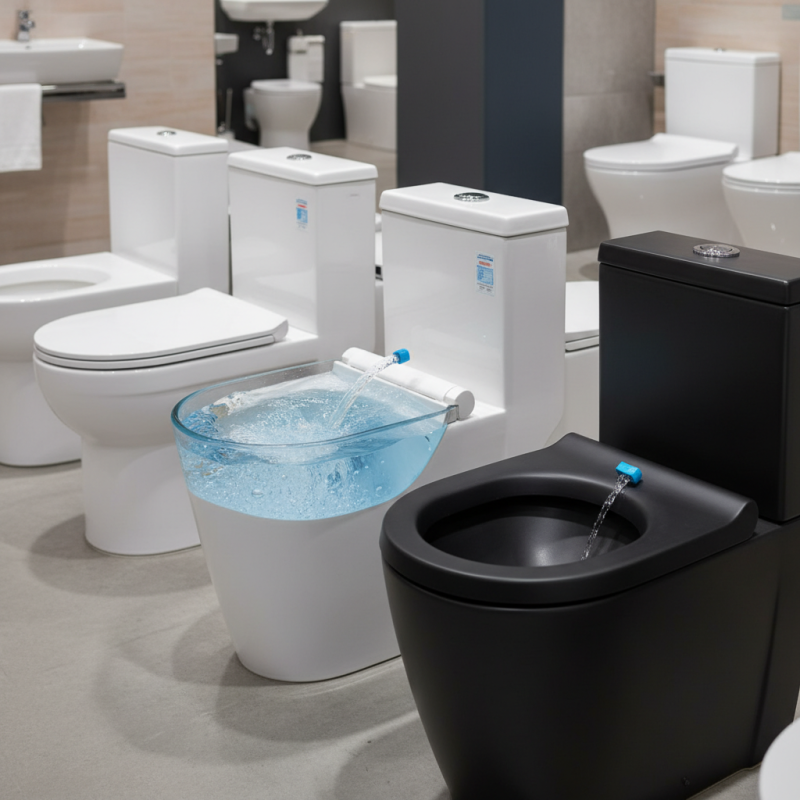
Toilet performance is influenced by various factors that buyers should consider in global markets. The design and technology used in toilets play a crucial role. For instance, the flushing mechanism must be efficient. This ensures that waste removal is smooth and prevents clogs. Factors like water usage and efficiency also matter. Eco-friendly toilets use less water, appealing to environmentally conscious consumers.
Comfort and ergonomics significantly affect user experience. Buyers should look for toilets with adjustable heights and comfortable seating. A well-designed toilet can enhance satisfaction and encourage regular usage. However, not every model suits every need, highlighting the importance of personal preference.
Tips:
- Consider the flushing system's design. Gravity-fed systems can be reliable but may lack power.
- Test the toilet in-store, if possible. Comfort is subjective and varies widely.
- Think about installation. Some toilets might require professional help, affecting overall costs.
In conclusion, performance and comfort are paramount when choosing a toilet. It's vital to research and reflect on what truly meets your needs. Each factor plays a role in overall satisfaction and longevity.
When considering toilet performance, design and engineering specifications play a crucial role. Effective flushing systems depend on the bowl shape and water flow dynamics. A well-designed bowl reduces waste buildup, making it easier to keep clean. The size of the trapway also impacts the movement of waste. A wider trapway typically allows for better waste removal.
Tips: Assess your plumbing system. Pressure and drainage can significantly affect how well a toilet performs.
Water efficiency is another important factor. Toilets should ideally use 1.28 gallons per flush or less. This efficiency can save you a significant amount of water over time. Properly engineered toilets also minimize clogs, maintaining performance. Look for toilets with advanced flushing technologies or those that utilize gravity-assisted designs.
Tips: Consider your household needs. For larger families, a more robust system may be essential. Always read reviews focusing on performance, not just appearance.
Water consumption standards are crucial when selecting toilets. These standards help buyers understand the efficiency of different models. Toilets that meet low-flow standards often consume less water. This not only conserves a vital resource but also reduces utility bills. In many regions, these standards are mandated. Buyers should be aware of local regulations to ensure compliance.
Selecting a high-efficiency toilet can be challenging. Factors like flushing power and bowl design can influence performance. While some toilets perform well on standard tests, real-world use can differ. It's important to consider how often the toilet will be used and by how many people. This can greatly impact water usage over time.
Buyers should not overlook the importance of researching user reviews. While manufacturers provide specifications, real-life experiences can reveal hidden issues. Some toilets may sound appealing in theory but fail in practice. Investigating both expert opinions and consumer feedback is essential for informed choices. Reliability is key, especially for high-use bathrooms.
When considering toilet performance, consumer preferences and trends play a vital role. Buyers increasingly seek models that combine efficiency with comfort. Features like dual-flush systems are popular for water conservation. Many customers prioritize designs that enhance user experience. Shape, height, and seat comfort all influence purchase decisions.
Tips: Choose a toilet with a comfortable height for your household. Test seat comfort before purchasing. Look for efficient flushing systems that save water while ensuring effective waste removal.
Additionally, sustainability is a growing concern among consumers. Eco-friendly materials and designs reduce environmental impact. Many people prefer toilets that minimize waste and conserve water. However, understanding actual performance can be challenging. Marketing claims may not always reflect real-world usage. Testing products before finalizing a purchase is crucial.
Tips: Research user reviews for insights on long-term performance. Pay attention to installation requirements as well. Remember that personal preferences can vary widely, sometimes leading to unexpected choices.
Local regulations play a crucial role in influencing toilet manufacturing and performance. Each region has its own standards, deeply rooted in cultural norms and environmental considerations. These regulations dictate everything from water consumption to material usage, impacting the efficiency of toilets. For instance, areas with strict water conservation laws often mandate low-flow designs. Such measures strive to save water but may lead to concerns over flushing performance.
Additionally, regulations often address health and sanitation issues. In areas with limited infrastructure, toilets must meet specific safety standards. This can lead to the use of more durable materials that withstand corrosive environments. However, manufacturers may face challenges in balancing cost and compliance with these standards. Sometimes, this results in products that do not fully meet user needs, causing frustration and inefficiency in daily use.
It's essential to recognize that local regulations can limit innovation. While they aim to solve pressing issues, they may inadvertently stifle advances. Designers may be hesitant to deviate from established standards, even if innovative solutions could enhance toilet performance. The interplay between regulation and innovation is delicate, requiring constant assessment and reflection for better consumer outcomes.
: Toilet performance is influenced by design, technology, flushing mechanisms, water usage, and user comfort.
Water consumption affects efficiency, utility bills, and environmental impact. Low-flow toilets help conserve water.
Comfort varies by personal preference. Features like adjustable height and seating can enhance satisfaction.
Regulations dictate water consumption and materials, impacting efficiency and performance based on local needs.
Flushing systems vary. Gravity-fed systems are reliable but may lack power compared to others.
User reviews reveal real-life performance. Some toilets may not meet expectations despite good specifications.
Yes, strict regulations can limit creative solutions, impacting potential improvements in toilet performance.
Some toilets require professional installation, affecting costs. Always consider the total cost of ownership.
Buyers often focus on specifications but neglect comfort and real-world user experiences.
Some toilets perform well in tests but fail in everyday usage. Usage frequency significantly impacts performance.
The article "What Factors Affect Toilet Performance for Global Buyers?" delves into various elements that influence toilet effectiveness in diverse markets. Key considerations include design and engineering specifications, which play a crucial role in enhancing toilets' efficiency. Additionally, water consumption standards significantly impact consumer choices, shaping how toilets are selected based on environmental considerations and regulatory requirements.
Further, the article examines consumer preferences and trends, highlighting how they drive innovation in toilet performance. Local regulations also have a substantial effect on manufacturing practices, ensuring that toilets meet specific performance criteria. By exploring these factors, the article provides a comprehensive overview of what factors affect toilet performance, offering insights essential for buyers navigating the global market.

Toilvora Toilet