How to Enhance Bathroom Hygiene at Home Naturally?

Time:2026-08-04 Author:Ethan
0%

Maintaining bathroom hygiene is essential for overall health. According to a survey by the Bathroom Hygiene Association, 70% of households overlook crucial cleaning routines. This negligence can lead to the spread of germs and bacteria. To tackle this issue, many seek ways on how to improve bathroom hygiene at home.

Expert Dr. Lisa Greene, a microbiologist, emphasizes, "Regular cleaning is vital to prevent pathogenic growth in common areas like bathrooms." Her research highlights that simple, natural products can significantly enhance hygiene without harmful chemicals. Many individuals prefer eco-friendly solutions for cleaning. However, some common habits, like neglecting the toilet’s exterior or shower curtains, often go unnoticed and warrant rethinking our routines.

Using natural ingredients not only promotes hygiene but also ensures safety for families and pets. Ignoring these practices can lead to unpleasant consequences, making it crucial to adopt consistent cleaning habits. Exploring sustainable ways to enhance bathrooms can lead to healthier living environments for all.
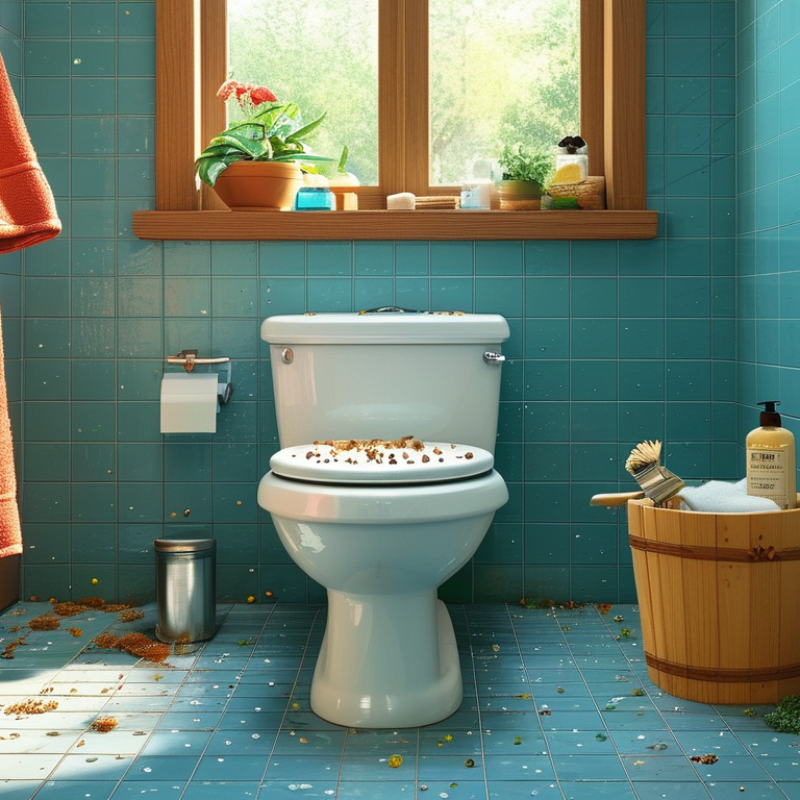
How to Enhance Bathroom Hygiene at Home Naturally?

Understanding the Importance of Bathroom Hygiene: A Statistical Overview

Bathroom hygiene is crucial for maintaining overall health. A recent study indicated that approximately 72% of bacteria found in homes originate from the bathroom. This alarming statistic reveals the importance of effective cleaning and hygiene practices. Poor bathroom hygiene contributes to various health issues, including gastrointestinal infections and respiratory diseases.

A report from the American Journal of Infection Control highlights that nearly 60% of people do not clean their bathrooms as frequently as recommended. This underscores the gap between recommended practices and reality. Regular cleaning and disinfection can reduce harmful pathogens significantly. Furthermore, research shows that using natural cleaning agents can be just as effective in killing germs compared to chemical ones.

It’s vital to pay attention to high-touch areas like faucets, toilet handles, and light switches. These surfaces often harbor hidden germs. Small changes, like using vinegar and baking soda for cleaning, can enhance bathroom hygiene. In addition, airing out the bathroom daily can prevent mold, which thrives in damp conditions. These steps represent a shift towards simpler, sustainable practices. Acknowledging the statistics can be a wake-up call, urging us to reflect on our bathroom hygiene habits.

How to Enhance Bathroom Hygiene at Home Naturally?

Hygiene Practice Effectiveness (%) Frequency of Use (times/week) Natural Products Used
Regular Cleaning 90 3 Vinegar, Baking Soda
Proper Ventilation 85 Daily N/A
Mold Prevention 80 Weekly Tea Tree Oil, Grapefruit Seed Extract
Disinfecting Surfaces 95 Biweekly Hydrogen Peroxide, Lemon Juice
Toilet Maintenance 88 3 Baking Soda, Essential Oils

Natural Cleaning Agents: Effectiveness of Vinegar, Baking Soda, and Essential Oils

Using natural cleaning agents is an effective way to enhance bathroom hygiene. Vinegar's acidity makes it a strong disinfectant. It kills bacteria and removes soap scum effectively. Just mix equal parts of water and vinegar in a spray bottle. Spray the solution on surfaces, let it sit for a few minutes, and wipe clean. This method is safe for most surfaces and doesn’t leave harmful residues.

Baking soda is another powerhouse. Its mild abrasiveness makes it great for scrubbing sinks and tubs. Mix it with a bit of water to create a paste. Apply this paste on stained areas and scrub gently. Baking soda also neutralizes odors, ensuring your bathroom smells fresh. Be cautious, though; excessive scrubbing can scratch surfaces.

Essential oils add a pleasant scent to your cleaning routine. Tea tree oil is noted for its antifungal properties. A few drops in your vinegar solution can boost its cleaning power. Remember, though, essential oils can irritate sensitive skin. Always test your mixture on a small area before widespread use. Mixing natural ingredients can feel intuitive, but it requires careful experimentation to find the right balance for your needs.

Best Practices for Maintaining Dryness and Reducing Mold Growth in Bathrooms

Maintaining a dry bathroom is crucial for hygiene. Mold thrives in damp areas. Keeping surfaces dry is essential to prevent growth. Here are some effective tips.

Use a squeegee on shower walls. This simple tool helps eliminate excess water after each use. Ensure you wipe down sinks and counters as well. Pay attention to corners and hard-to-reach areas. Those spots are often neglected but can harbor moisture.

Ventilation plays a significant role too. Open windows when possible. If your bathroom has an exhaust fan, use it during showers. It effectively reduces humidity. Consider placing moisture-absorbing materials like silica gel in cabinets. They can help keep the air drier.

Regular cleaning is another key habit. Use natural cleaners such as vinegar or baking soda. They combat mildew without harsh chemicals. Don’t forget to check your plumbing for leaks regularly. Small leaks can contribute to a damp environment, making mold growth more likely.

Frequency of Cleaning: How Often Should You Clean Your Bathroom for Optimal Hygiene?

Cleaning your bathroom regularly is essential for maintaining optimal hygiene. Experts recommend deep cleaning at least once a week. This includes scrubbing the toilet, sink, and shower. Hygienic practices should not be limited to visual cleanliness; germs lurk in hidden corners as well. Pay attention to areas like faucet handles, light switches, and behind the toilet.

In addition to weekly cleaning, light maintenance should occur every few days. Wipe down surfaces with a disinfectant cloth to remove soap scum and mildew. If you notice persistent odors, consider using natural deodorizers like baking soda. It’s important to listen to your bathroom. If it feels grimy, it probably is.

Remember, it’s not just about frequency; it’s about technique. Use the right tools to reach those tough spots. Don’t rush through the process. Take time to ensure every inch is clean. Reflection on your cleaning methods may reveal areas that need extra scrutiny. A well-maintained bathroom is not only a matter of hygiene; it's crucial for your overall health.

The Role of Air Quality in Bathroom Hygiene: Tips for Natural Ventilation Improvements

Air quality plays a crucial role in bathroom hygiene. Poor ventilation can lead to mold growth and unpleasant odors. According to a study by the Environmental Protection Agency, indoor air can be two to five times more polluted than outdoor air. This is particularly concerning in enclosed spaces like bathrooms. A regularly ventilated bathroom reduces humidity levels, which helps prevent harmful pathogens.

Natural ventilation is an effective way to enhance air quality. Opening windows during and after showers can lower moisture content. Installing passive vent systems allows for constant airflow without the need for mechanical devices. A study from the National Institute of Environmental Health Sciences showed that proper airflow reduces airborne contaminants significantly. Even using exhaust fans can be beneficial if coupled with fresh air sources.

Yet, many homes lack effective ventilation solutions. Assessing the current state of air circulation can highlight areas for improvement. Placing plants that thrive in humid environments may also help absorb excess moisture, though this should not replace traditional methods. Small changes can have a large impact on maintaining a healthy bathroom atmosphere.

Natural Ventilation Improvements for Bathroom Hygiene

FAQS

: What are effective natural cleaning agents for the bathroom?

: Vinegar, baking soda, and essential oils are effective natural cleaning agents. They enhance bathroom hygiene and are safe for most surfaces.

How do I use vinegar for cleaning?

Mix equal parts of water and vinegar in a spray bottle, spray on surfaces, and wipe clean after a few minutes.

What is baking soda used for in cleaning?

Baking soda is mildly abrasive, great for scrubbing sinks and tubs, and effective for neutralizing odors.

How do I use baking soda effectively?

Create a paste by mixing baking soda with a bit of water, apply it to stains, and scrub gently to avoid scratches.

What essential oil can I use for cleaning?

Tea tree oil is great for its antifungal properties. Add a few drops to vinegar for enhanced cleaning power.

How often should I clean my bathroom?

Deep clean your bathroom at least once a week and do light maintenance every few days.

What should I focus on during deep cleaning?

Pay attention to hidden areas like faucet handles, light switches, and behind the toilet where germs can linger.

How can I maintain a fresh smell in the bathroom?

Use natural deodorizers like baking soda to combat persistent odors and keep the air fresh.

What cleaning technique should I adopt?

Use the right tools to reach tough spots and take time to ensure thorough cleaning. Rushing can lead to missed areas.

How can I evaluate my cleaning methods?

Reflect on your cleaning techniques regularly. This can help identify areas that may need more attention for better hygiene.

Conclusion

Maintaining bathroom hygiene is crucial for overall health and well-being, as a clean environment can prevent the growth of harmful bacteria and mold. To improve bathroom hygiene at home, it's essential to utilize natural cleaning agents such as vinegar, baking soda, and essential oils, which can effectively disinfect surfaces without the need for harsh chemicals.

Implementing best practices like ensuring proper ventilation and keeping the bathroom dry can significantly reduce mold growth. Regular cleaning is crucial, and it's advisable to establish a routine that suits your household's needs. Additionally, enhancing air quality through natural ventilation will further support a cleaner and healthier bathroom environment. By following these guidelines, you can effectively learn how to improve bathroom hygiene at home naturally.

Ethan

Ethan

Ethan is a seasoned marketing professional with a deep expertise in our company's innovative product line. With a passion for sharing knowledge and insights, he takes the lead in regularly updating our corporate blog, where he explores industry trends, product features, and effective marketing......