In recent years, the focus on sustainability has shifted into our homes, especially in the bathroom. Many individuals ask, "what are eco friendly bathroom solutions?" These solutions are essential as we strive to reduce our environmental impact. From water-saving fixtures to biodegradable products, there are countless options to explore.
Choosing eco-friendly solutions is not just a trend; it is a necessity for our planet. However, understanding what truly qualifies as eco-friendly can be confusing. Some products, labeled "green," may not be as effective or sustainable as they claim. This raises questions about accountability in marketing.
Opting for eco-friendly alternatives can lead to significant benefits. Yet, it may require a shift in habits and preferences. Reflecting on personal choices is important. Creating a sustainable bathroom involves more than just products; it demands mindfulness and commitment to environmental principles.
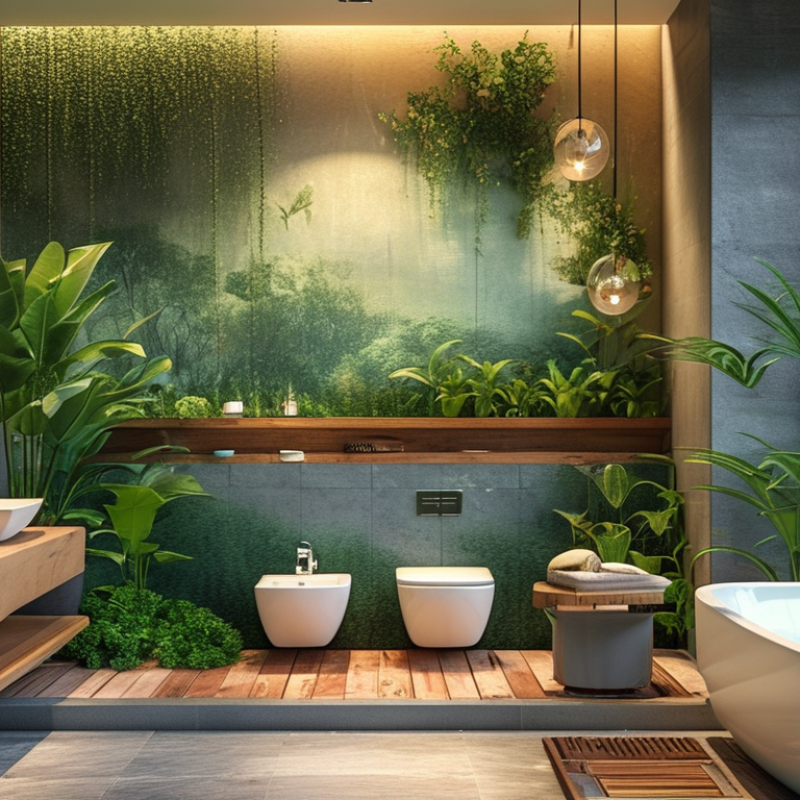
When designing a sustainable bathroom, the selection of materials plays a crucial role. Bamboo is an excellent choice for cabinetry and flooring. It’s fast-growing and requires minimal processing, making it eco-friendly. Recycled glass tiles can create stunning backsplashes and surfaces while reducing landfill waste. Opting for natural stone can enhance aesthetics. However, extraction practices may harm the environment, prompting careful sourcing.
Beyond materials, consider water-efficient fixtures. Faucets and toilets with low flow rates conserve much water. Installation is often straightforward, yet proper research on long-term benefits is essential. This choice impacts both the environment and monthly bills. Even small changes lead to significant benefits.
Design choices should also reflect sustainability. Incorporating natural light reduces energy use. Skylights or large windows can brighten spaces without electricity. However, this technique may introduce heat gain, requiring reflective surfaces. Each decision carries weight. Reflecting on environmental impacts ensures that your bathroom not only looks good but also serves the planet.
| Material | Sustainability Rating | Benefits | Drawbacks |
|---|---|---|---|
| Bamboo | A+ | Fast-growing, renewable, biodegradable | Susceptible to moisture damage |
| Recycled Glass | A | Durable, stylish, low maintenance | Weight may require additional support |
| Cork | A- | Water-resistant, warm, comfortable | Can fade in sunlight, needs sealing |
| Low-VOC Paint | A++ | Improves air quality, non-toxic | May require more coats for full coverage |
| Reclaimed Wood | A+ | Unique character, environmentally friendly | Requires maintenance, variable quality |
: Switch to reusable items like cloth towels. This can significantly decrease plastic waste over time.
Choose bar soaps and refillable containers. They produce less waste than traditional personal care products.
Use natural ingredients like vinegar and baking soda. They clean effectively and reduce chemical exposure.
Install low-flow fixtures. Also, turn off the tap while brushing your teeth to save water.
Check for drips regularly. Fixing leaks promptly can prevent water waste and save money.
They can be pricier, but the long-term environmental benefits make them a worthwhile investment.
Some sustainable changes may feel inconvenient. Reflection helps you adopt practices that benefit the environment.
Replace harsh cleaners with natural alternatives. Using reusable cloths instead of paper towels enhances sustainability.
Reduce single-use items by opting for reusable alternatives. Small changes lead to significant waste reduction.
It may be challenging at first, but these practices foster a sustainable lifestyle for the future.
In today's environmentally conscious world, more homeowners are seeking answers to the question, "what are eco friendly bathroom solutions?" This article explores a variety of sustainable bathroom materials and design choices that minimize environmental impact while enhancing aesthetic appeal. By incorporating eco-friendly fixtures and appliances, homeowners not only benefit from lower water and energy usage but also contribute to a greener planet.
The piece also emphasizes water conservation techniques, such as low-flow faucets and efficient showerheads, alongside strategies for reducing waste in bathroom practices, including zero-waste products and recycling. Finally, the article offers actionable tips for maintaining a green bathroom routine, ensuring that sustainable living becomes an integral part of daily life. In summary, adopting these eco-friendly bathroom solutions promotes sustainability and care for the environment.

 Toilvora Toilet