China Top 10 Tips for Using Bathroom Hygiene Systems Correctly?

Time:2026-05-25 Author:Liam
0%

In today's fast-paced world, maintaining proper bathroom hygiene is crucial for health and wellness. Understanding how to use bathroom hygiene systems correctly can significantly impact not just individual well-being but also public health. According to Dr. Emily Chen, a renowned expert in sanitation practices, "Proper hygiene systems can reduce the spread of germs and improve overall facility cleanliness."

Using these systems effectively may seem straightforward, yet many fail to implement them properly. For instance, not following manufacturer instructions can lead to ineffective cleaning. The very tools designed to enhance hygiene can become a source of germ spread if misused. People often underestimate the importance of routine maintenance.

Creating a clean and safe bathroom environment requires attention to detail. Choosing the right products is just as vital as using them correctly. Every bathroom system has its nuances. The journey to mastering how to use bathroom hygiene systems correctly involves continuous learning and self-reflection. Engaging with experts and learning from real-life experiences can build a more profound understanding of effective practices.
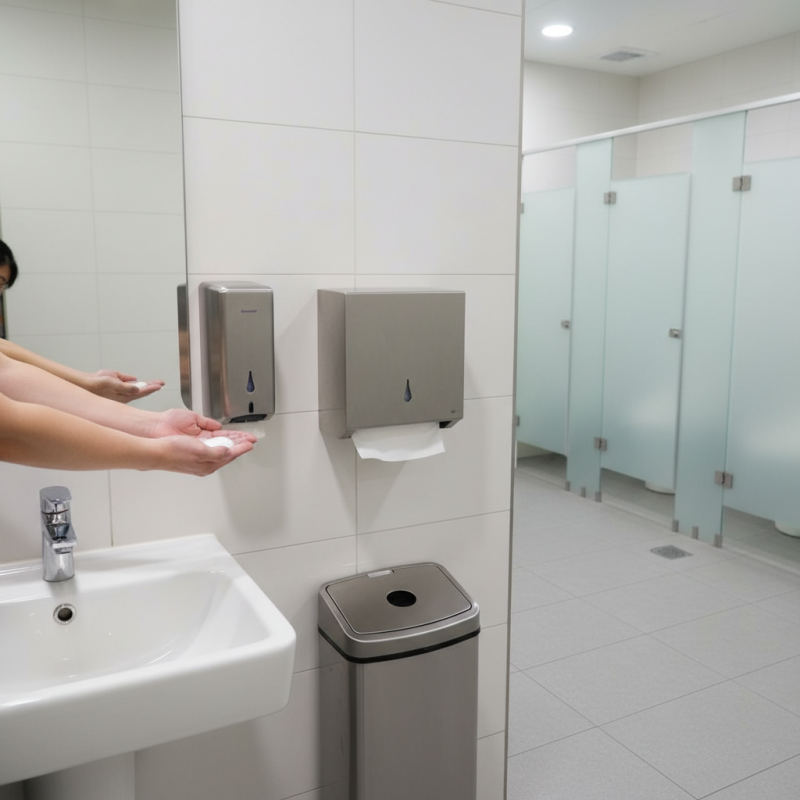
China Top 10 Tips for Using Bathroom Hygiene Systems Correctly?

Understanding the Importance of Bathroom Hygiene Systems

Bathroom hygiene systems play a crucial role in maintaining overall health and sanitation. Reports indicate that improper hygiene can lead to diseases. Research shows 80% of infections are transmitted through the hands. Therefore, effective systems are essential for reducing cross-contamination.

Utilizing restroom hygiene solutions, like automatic soap dispensers and touch-free faucets, can significantly lower germ transmission. A study from the World Health Organization highlights that proper handwashing can reduce respiratory illnesses by 21%. Implementing these systems is a step towards better public health. However, many facilities fail to maintain these systems properly, creating risks.

Periodic checks and user education are often overlooked. Many users do not understand the correct way to use these systems, leading to misuse and inefficiency. Training staff and providing guides can improve hygiene practices. Reliable hygiene systems enhance the safety of the public while fostering a cleaner environment. Investing in proper maintenance is vital, as neglected systems can breed pathogens instead of preventing them.

Choosing the Right Bathroom Hygiene Products for Your Needs

Choosing the right bathroom hygiene products is crucial for maintaining a clean and healthy environment. Consider your space and the needs of your household. For small bathrooms, compact products can maximize efficiency. Look for items like wall-mounted dispensers that save floor space. In larger homes, assess the foot traffic to select the most durable options.

It’s important to understand the specific hygiene requirements in your bathroom. Are there children or elderly individuals using the space? Products with soft, gentle features are essential for these demographics. Refill options are also necessary. They reduce waste and provide convenience. Always prioritize eco-friendly materials.

When evaluating products, check for certifications and reviews. Reliable hygiene systems should meet health standards. However, not all products will fit every context. You might discover some items are less effective than expected. Test different solutions to find what truly works. It’s a journey of trial and error, but selecting the right products is worth the effort.

Step-by-Step Guide to Proper Installation of Hygiene Systems

When installing a bathroom hygiene system, begin with proper planning. Assess the space and determine the best location for the system. Ensure that all necessary tools and materials are ready before starting. A detailed checklist can prevent unnecessary delays. Align the system components correctly to avoid future issues.

In the setup process, always follow the manufacturer’s instructions carefully. Securely fasten all connections. Double-check for leaks and ensure the unit is stable. It's crucial to test the hygiene system after installation. Observe its functionality to make adjustments if needed. Mistakes can happen, and it’s important to learn from them for future installations.

Don’t underestimate regular maintenance. Clean and inspect the system periodically. This step helps to prolong the lifespan of the equipment. Not every installation is perfect; reflecting on previous experiences can lead to better outcomes. Consider keeping a log of any issues and how you resolved them. This practice builds your expertise over time.

Daily Maintenance Tips for Optimal Hygiene System Performance

Maintaining optimal hygiene in bathroom systems is essential for health. Daily upkeep can help prevent unpleasant odors and bacteria growth. Start by regularly checking for leaks or blockages. Addressing these issues early can save you from bigger problems later on. Scrubbing surfaces with appropriate cleaners keeps everything fresh and reduces the risk of contamination.

Antimicrobial coatings or films can be effective in minimizing germ spread. Installing simple items like touchless faucets can enhance hygiene. Monitoring usage can help detect unusual patterns, indicating that maintenance is required. It’s important to remember that not all materials are created equal. Some may harbor bacteria more than others, so choose wisely when installing new systems.

Educating yourself about the best practices can lead to better hygiene outcomes. Routine checks ensure that systems are not just functioning but also promoting a healthier environment. Daily maintenance doesn’t have to be perfect, but consistency is key. Over time, you’ll develop habits that ensure hygiene systems work efficiently. Small changes make a significant impact.

China Top 10 Tips for Using Bathroom Hygiene Systems Correctly

Tip No. Tip Description Frequency of Maintenance Recommended Products
1 Regularly check and refill soap dispensers. Weekly Liquid soap
2 Ensure hand dryers are functioning properly. Monthly Air hand dryer
3 Clean toilet bowls with disinfectant regularly. Daily Toilet cleaner
4 Restock paper towels in holders. Twice a week Paper towels
5 Empty and clean trash bins regularly. Bi-weekly Trash bags
6 Sanitize high-touch surfaces like faucets and doorknobs. Daily Disinfectant wipes
7 Inspect plumbing for leaks and water damage. Monthly None required
8 Replace air fresheners as needed. As needed Air fresheners
9 Educate users on proper bathroom etiquette. Ongoing Not applicable
10 Schedule deep cleaning of the bathroom quarterly. Quarterly Professional cleaning service

Common Mistakes to Avoid When Using Bathroom Hygiene Systems

Using bathroom hygiene systems correctly is essential for maintaining cleanliness and health. Many people overlook simple practices that can enhance the effectiveness of these systems. Avoiding common mistakes can significantly improve hygiene outcomes.

One mistake is neglecting to read user instructions. Each system has specific requirements for optimal use. For example, some systems may need regular maintenance checks. Ignoring this step can lead to malfunctions. Regularly check for clogs or leaks. These problems can create unsanitary conditions.

Another common issue is improper disposal of items. Flushing inappropriate products can damage plumbing and disrupt hygiene systems. Familiarize yourself with the guidelines on what can be discarded. This practice protects the environment and your plumbing. It shows a commitment to using the systems responsibly. Proper practices lead to better health and hygiene.

Lastly, ensure hands are washed after each use. This small step reinforces the effectiveness of hygiene systems. It helps prevent the spread of germs. Cultivating awareness around these habits is crucial. Being mindful of these details can lead to a cleaner, healthier environment.

FAQS

: How do I choose the right bathroom hygiene products?

: Consider your space and household needs when selecting products. Compact items work well for small bathrooms.

What features should I look for when selecting hygiene products?

Search for soft, gentle features if children or elderly users are present. Refill options reduce waste and offer convenience.

How can I determine if a product meets health standards?

Check for certifications and read customer reviews. This helps ensure reliability and safety in hygiene systems.

What mistakes should I avoid when using hygiene systems?

Don't skip reading user instructions. Each system has specific requirements for maintenance and optimal use.

Why is proper disposal of items important?

Flushing inappropriate products can harm plumbing and hygiene systems. Follow disposal guidelines to protect both.

What is a simple but effective hygiene tip?

Wash your hands after each use. This small step prevents the spread of germs and boosts overall hygiene.

Conclusion

Understanding how to use bathroom hygiene systems correctly is essential for maintaining cleanliness and preventing the spread of germs. This article outlines key tips that include selecting appropriate hygiene products tailored to individual needs and following a step-by-step guide for proper installation. Daily maintenance is crucial for the optimal performance of these systems, ensuring they work effectively over time.

Additionally, the article highlights common mistakes to avoid, which can undermine the functionality of bathroom hygiene systems. By adhering to these recommendations, users can enhance their bathroom hygiene practices, contributing to a healthier environment for everyone.

Liam

Liam

Liam is a dedicated marketing professional with a profound expertise in the industry, where he excels at highlighting the unique advantages of our core products. With a keen understanding of market trends and consumer needs, Liam frequently updates our company’s professional blog, providing......