China Best Bathroom Installation Mistakes to Avoid

Time:2026-10-13 Author:Sophia
0%

China Best Bathroom Installation Mistakes to Avoid begins with a practical question: what are common bathroom installation mistakes? The answer is rarely limited to crooked tiles or unattractive fixtures. Poor waterproofing, incorrect floor slopes, weak pipe connections, and rushed ventilation can create hidden damage. Water may collect beside the shower drain, while a beautiful wall slowly develops mold behind it. These problems often remain invisible until repairs become expensive.

Mike Holmes, a licensed contractor and renovation educator, offers a useful warning: “If you think it’s expensive to hire a professional to do the job, wait until you hire an amateur.” His statement applies strongly to bathroom work. A qualified installer should check substrate strength, drainage direction, pipe pressure, sealant joints, and product compatibility. In China, project teams should also confirm applicable local construction requirements and follow each manufacturer’s installation instructions. Small details matter. A shower screen needs stable fixing. A toilet flange needs accurate positioning. Even a few millimeters of poor slope can leave standing water.

Still, professional work is not automatically perfect. That deserves reflection. Installers can overlook corners, homeowners can approve unfinished surfaces, and rushed inspections can miss soft flooring. This guide examines practical mistakes before they become concealed failures. It focuses on visible workmanship, moisture protection, material selection, and communication between owners, designers, and contractors. The goal is not to create fear. It is to help readers ask better questions, document each stage, and choose bathroom solutions that remain safe, functional, and dependable for years.
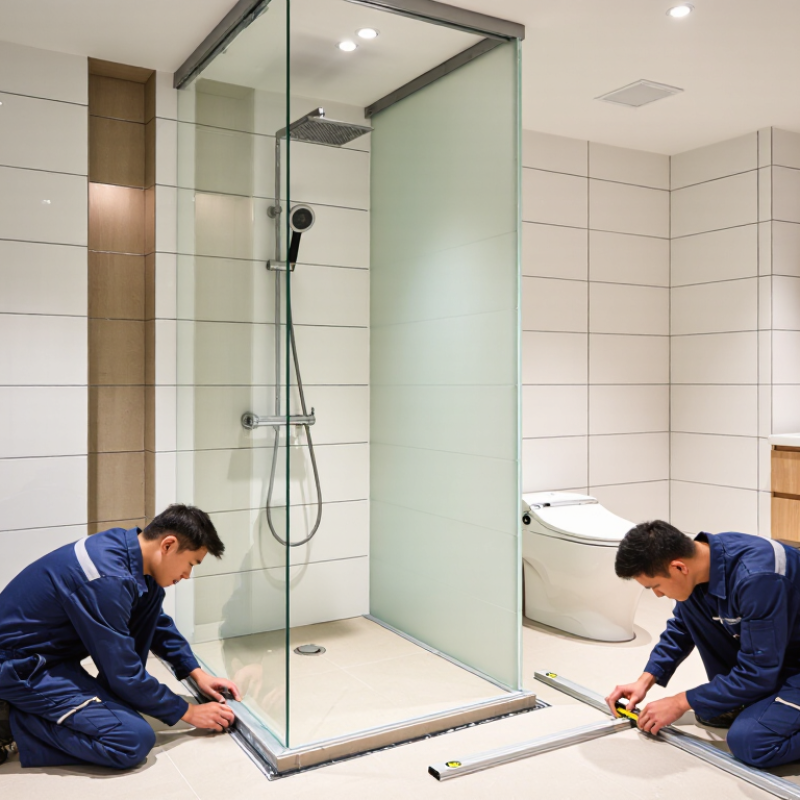
China Best Bathroom Installation Mistakes to Avoid

Planning and Measuring Mistakes in Chinese Bathroom Installations

China Best Bathroom Installation Mistakes to Avoid

Planning and measuring errors cause many bathroom failures in Chinese homes. Houzz’s 2024 U.S. Bathroom Trends Study reported that 84% of renovating homeowners upgraded their showers. That demand can expose weak planning. Measure the finished wall, not only the concrete shell. Include tiles, waterproof layers, adhesive, and wall panels. A 20-millimeter mistake can affect the toilet, vanity, and shower screen.

Measure twice. Mark every pipe.

Chinese apartments often have compact wet areas and relocated drainage points. Check the floor drain position before ordering sanitary fixtures. Confirm the drainage gradient, pipe diameter, ceiling height, and access panel location. The NKBA 2024 Design Trends Report also identifies storage and universal design as continuing priorities. Therefore, reserve space for toiletries, handrails, and safe movement. Do not place a cabinet where the door swing blocks the toilet.

I have seen installers measure from unfinished walls, then discover that a concealed cistern reduced usable depth. It looked acceptable on the drawing. It failed beside the real pipework. Waterproofing height, shower thresholds, and electrical socket clearances also need written confirmation. Chinese building requirements should guide the layout, but site conditions still require professional verification. Some plans remain too optimistic. Recheck them after plastering, tiling, and fixture delivery.

Incorrect Waterproofing and Drainage Preparation

China Best Bathroom Installation Mistakes to Avoid

Incorrect Waterproofing and Drainage Preparation

A bathroom can look finished while water is already moving behind the tiles. In site inspections, the recurring failure is rushed preparation, not the final tile work. Dust, loose mortar, and damp surfaces weaken waterproofing adhesion. Clean the slab thoroughly, then repair cracks and uneven corners before applying any membrane.

Waterproofing should cover the entire wet area, including floors, shower walls, pipe penetrations, and the doorway threshold. Turn the membrane up the wall according to current local building requirements. Reinforce corners and drains with compatible materials. Do not dilute liquid products or apply one thick coat. Two even coats, with proper drying time, are safer. A small test patch can reveal poor adhesion before the room is closed. I once saw a team skip this check because the schedule was tight. The tiles looked perfect, but moisture appeared in the adjacent room weeks later. That mistake was preventable.

Drainage preparation needs equal attention. Set the floor slope toward the drain, usually about 1% to 2%, without creating sharp dips. Check the drain height before screeding; tile thickness can block the finished level. Pour water across the floor and watch for standing areas. Simple, but revealing. Do not guess. Seal pipe joints carefully, and keep debris out of the trap during construction. A qualified installer should verify drainage falls, waterproofing continuity, and the required water-test result before tiling. Keep dated photos and test records. These details support accountability when hidden defects appear later.

China Best Bathroom Installation Mistakes to Avoid: Incorrect Waterproofing and Drainage Preparation

Reference benchmarks for bathroom preparation include a drainage fall of approximately 1–2%, a 24-hour waterproofing pond test where permitted by local practice, and waterproofing protection extending about 300 mm above the finished floor in general wet areas. Shower zones may require substantially greater wall protection. Always verify the requirements of the applicable local building code.

Poor Selection and Placement of Bathroom Fixtures

Poor fixture selection often begins before installation. A toilet may fit the drawing but fail after measuring door swings, skirting, and pipe offsets. Choose fixtures by clearance and maintenance needs, not appearance alone. The CDC recorded 234,094 annual nonfatal bathroom injuries among people aged 15 and older between 2008 and 2012. That older dataset still reveals a practical risk: cramped circulation.

Leave comfortable space in front of toilets, basins, and shower entries. Many residential planning guidelines recommend about 760 millimeters for this clearance. Shower controls should sit near the entrance, not beneath the spray. Otherwise, users reach through cold water every morning. A wall-hung basin can improve knee space, but its mounting wall must support the load. The 2024 NKBA Bathroom Design Trends report also highlights universal design as an ongoing planning concern.

Water performance matters too. The U.S. EPA WaterSense specification limits labeled showerheads to 2.0 gallons per minute. WaterSense toilets use 1.28 gallons per flush or less, compared with the federal 1.6-gallon standard. Oversized rain showers can still create splash outside a short enclosure. I have seen attractive layouts become awkward because the mirror blocked a cabinet door. That mistake is easy to miss. Mark every swing, reach, and cleaning path on the wall before drilling. A few extra minutes can expose an expensive compromise.

Ventilation, Electrical, and Safety Installation Errors

China Best Bathroom Installation Mistakes to Avoid

Poor ventilation is one of the most common bathroom installation errors. ASHRAE Standard 62.2 recommends 50 cubic feet per minute for intermittent bathroom exhaust, or 20 continuously. A weak fan leaves steam on mirrors, ceilings, and grout lines. The U.S. Environmental Protection Agency reports that indoor pollutant levels can be two to five times higher than outdoor levels. Ducts should discharge outdoors, not into an attic or ceiling cavity. I have seen beautiful bathrooms develop mildew because the duct was crushed behind insulation.

Electrical mistakes can become dangerous quickly. The National Fire Protection Association reported about 26,100 U.S. home fires involving electrical distribution and lighting equipment from 2016 to 2020. Bathroom outlets require ground-fault circuit-interrupter protection under widely adopted electrical codes. Wet-location fixtures, correct bonding, and sealed connections also matter. A switch placed beside a splash zone may look convenient. It may not be safe. Local code requirements must control the final layout.

Safety installation is not only about appearance. The Centers for Disease Control and Prevention reports that more than 800,000 people are hospitalized annually after falls. Use slip-resistant flooring, secure grab-bar backing, and stable shower thresholds. Grab bars attached only to tile are not reliable. One imperfect detail remains easy to miss: the door should open without striking a person who has fallen. A practical inspection with wet hands and poor lighting often reveals problems that drawings hide.

Final Inspection and Maintenance Mistakes to Avoid

Final inspection should happen with the bathroom fully dry, lit, and ready for use. A common mistake is checking appearance before testing performance. Run the shower for ten minutes, then inspect every joint, corner, and access panel with a dry tissue. Flush the toilet repeatedly and watch the supply valve, trap, and floor connection. Open the basin cabinet and check for slow drips. Small leaks often hide behind finished surfaces.

EPA WaterSense reports that household leaks can waste more than 10,000 gallons of water yearly. That figure makes a five-minute pressure test worthwhile. Close the drain, fill the basin, and release the water while observing flow and back-up. Check floor slope with a small level, especially near the shower entrance. A perfectly flat floor may leave water beside the wall. I have seen inspection routines miss this because the room looked clean. Visual confidence is not proof.

Maintenance mistakes begin after handover. Do not seal damp silicone or paint over staining. Dry ventilation grilles, clean the drain cover, and inspect flexible hoses monthly. Replace cracked sealant before water reaches tile backing. The U.S. Environmental Protection Agency recommends fixing leaks promptly, since repairs can reduce household water waste. Keep inspection photos and dates in a simple log. It may feel excessive, but memory fails quickly. Even a good checklist has gaps, so review it after the first month of use.

China Best Bathroom Installation Mistakes to Avoid - Final Inspection and Maintenance Mistakes to Avoid

No. Inspection or Maintenance Area Common Mistake to Avoid What to Check or Do Recommended Timing Acceptance or Maintenance Indicator Risk Level
1 Water Supply Connections Skipping a leak test or relying only on visual inspection. Open each shut-off valve gradually and inspect threaded joints, flexible hoses, angle valves, and concealed access points while the fixtures are operating. Before handover and after any plumbing repair No dripping, moisture, water stains, or pressure loss is observed during and after operation. High
2 Drainage and Floor Drain Accepting slow drainage, standing water, or an incorrectly installed trap. Run water through the basin, shower, and floor drain; check flow direction, unusual gurgling, odor, and any backflow. Final inspection; clean the drain monthly Water drains without pooling, wastewater does not return, and no persistent foul odor is present. Medium
3 Waterproofing and Shower Zone Covering waterproofing defects before testing or failing to inspect adjacent walls and ceilings. Review waterproofing records where available and look for damp patches, peeling finishes, mold, or discoloration around the shower area and neighboring rooms. Before tiling and during final inspection; recheck after heavy use No visible seepage, dampness, efflorescence, or mold growth is found. High
4 Tile Alignment and Grout Ignoring hollow-sounding tiles, cracked grout, uneven joints, or open gaps at corners. Check tile surfaces, joint continuity, corner seals, slopes, and areas around pipe penetrations; replace failed grout or sealant promptly. At handover; inspect every 6 months Tiles are stable, joints are filled, and flexible sealant remains continuous and free from cracks. Medium
5 Toilet Base and Seal Using the toilet before the base is stable or overlooking movement and odor. Flush several times, check the base for movement, inspect the floor connection, and confirm that wastewater or sewer odor is not escaping. Final inspection; check after cleaning or relocation The toilet is stable, flushes properly, and has no leakage or persistent odor at the base. High
6 Shower Door and Glass Failing to check glass condition, door alignment, safety clearances, and water containment. Inspect glass edges and hardware, operate the door repeatedly, verify stable fixing, and test whether water remains inside the shower area. Final inspection; inspect hardware every 3 months No chips or cracks are visible, the door moves smoothly, and seals do not allow significant water escape. High
7 Electrical Safety in Wet Areas Leaving sockets, switches, heaters, or lights untested near water. Confirm that protective devices are installed and functional, covers are secure, wiring is not exposed, and electrical equipment is suitable for the location. By a qualified electrician before handover; test protective devices periodically No exposed conductors, loose covers, overheating, electric shock, or nuisance tripping is present. Critical
8 Ventilation and Condensation Treating a noisy or weak exhaust fan as normal and keeping the bathroom closed after use. Operate the fan, check airflow and abnormal noise, clean the grille and filter where applicable, and provide routine fresh-air circulation. Final inspection; clean every 3 months Moisture clears after use, surfaces dry normally, and there is no recurring mold or condensation damage. Medium
9 Fixtures, Handles, and Accessories Leaving loose faucets, towel bars, mirrors, cabinets, or grab rails unresolved. Operate all handles and drawers, tighten fasteners where appropriate, and check that wall-mounted items are securely fixed without damaging waterproofed surfaces. Final inspection; recheck every 6 months Fixtures are secure, aligned, free from sharp edges, and do not move during normal use. Medium
10 Cleaning Chemicals and Surface Care Using abrasive powders, harsh acids, or mixed cleaning chemicals on fittings and grout. Use a mild, compatible cleaner, follow the surface-care instructions, rinse residue, and never mix chlorine-based products with acids or ammonia. After each cleaning session Finishes remain intact, grout is not eroded, and no strong chemical odor or surface discoloration remains. Medium
11 Access Panels and Shut-Off Valves Sealing service points permanently behind tiles, cabinets, or fixed panels. Locate and label water shut-offs, traps, cleanouts, and inspection openings; ensure they can be reached without destructive removal. Before handover; operate valves every 6 months Service points are identifiable, reachable, and capable of stopping water when required. High
12 Handover Records and Defect List Accepting the bathroom without recording unfinished work, test results, or maintenance requirements. Photograph defects, record repair responsibilities and dates, collect product manuals, and confirm that all corrective work has been completed before final acceptance. At final handover A signed checklist identifies completed tests, outstanding items, responsible parties, and follow-up dates. Medium

Note: Inspection intervals are practical maintenance guidance. Electrical, waterproofing, and concealed plumbing issues should be assessed by appropriately qualified professionals and according to applicable local requirements.

FAQS

What should be measured before installing a bathroom?

Measure the finished walls, not only the concrete shell. Include tiles, waterproofing, adhesive, and wall panels. A 20-millimeter error can shift several fixtures.

Why should drainage points be checked early?

Compact apartments may have relocated drains. Confirm drain positions, pipe diameter, slope, ceiling height, and access panels before ordering fixtures. Drawings can look correct and still fail beside real pipework.

How much clearance should bathroom fixtures have?

Leave about 760 millimeters in front of toilets, basins, and shower entrances. Check door swings, skirting, pipe offsets, and cleaning paths. Tight circulation creates daily frustration.

Where should shower controls be installed?

Place controls near the shower entrance, away from the main spray. Users should adjust water without reaching through cold water. Small details matter.

What ventilation mistakes should be avoided?

Use suitable exhaust capacity for the room. A common reference is 50 cubic feet per minute intermittently, or 20 continuously. Ducts should discharge outdoors, not into ceilings or attics.

How can electrical installation become safer?

Use ground-fault protection for bathroom outlets. Keep switches and connections away from splash zones. A qualified professional should verify wet-location fixtures, bonding, and local requirements.

How can slips and falls be reduced?

Choose slip-resistant flooring and stable shower thresholds. Provide secure backing for grab bars before tiling. Bars fixed only to tiles may not support a person safely.

What final inspection is often overlooked?

Recheck the room after plastering, tiling, and fixture delivery. Test doors, lighting, drainage, ventilation, and access panels. Try the space with wet hands and poor lighting. Some plans are too optimistic.

Conclusion

A successful bathroom installation in China begins with careful planning, accurate measurements, and a clear understanding of the room’s layout. Common problems often arise when homeowners overlook door clearance, fixture spacing, pipe locations, or future maintenance access. Waterproofing and drainage also require special attention: uneven slopes, poorly sealed corners, insufficient waterproof layers, and incorrectly positioned floor drains can lead to leaks, odors, and standing water. Asking “what are common bathroom installation mistakes” helps organize the most important checks before construction begins.

Fixture selection and placement should match the bathroom’s size, user needs, and water supply conditions. In addition, proper ventilation, safe electrical planning, reliable grounding, and suitable moisture protection are essential. Before completion, inspect every connection, test drainage and water flow, check for leaks, and confirm that surfaces are properly sealed. Regularly cleaning drains, monitoring grout and sealant, and repairing small problems early can help maintain a safe, dry, and durable bathroom.

Sophia

Sophia

Sophia is a dedicated marketing professional with an exceptional depth of knowledge about her company's products and services. With a keen understanding of market trends and customer needs, she crafts insightful blog posts that not only inform but also engage readers, enriching the company’s online......