Boost Bathroom Water Efficiency Tips for Global Buyers How to?

Time:2026-05-11 Author:Mason
0%

When it comes to enhancing water efficiency in bathrooms, many global buyers seek practical solutions. Understanding how to improve water efficiency in bathrooms is crucial for reducing water waste and lowering energy bills. Small changes can make a significant impact.

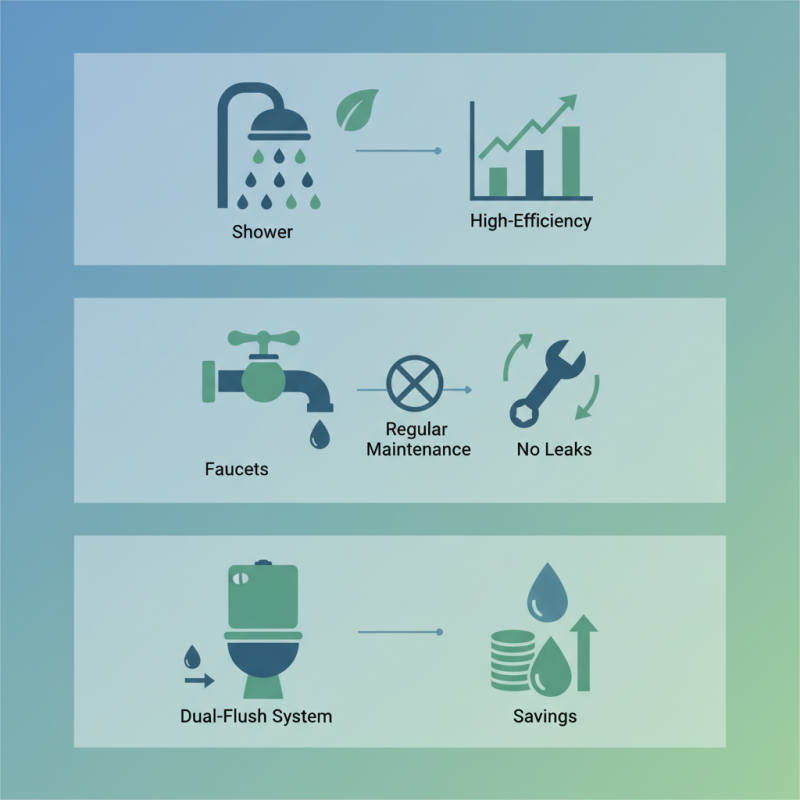
Consider the showerhead. A high-efficiency showerhead can save gallons of water per minute without sacrificing performance. Additionally, leaky faucets often go unnoticed. Even a small drip can waste more water than one might think. Regular maintenance is key to avoiding this issue.

Toilets are another vital area for improvement. Dual-flush systems allow users to choose the amount of water needed. This simple adjustment can lead to substantial water savings over time. However, implementing these changes might feel daunting. It's important to tackle bathroom water efficiency one step at a time. Finding the right balance between comfort and conservation is essential for lasting results.
Boost Bathroom Water Efficiency Tips for Global Buyers How to?

Understanding Water Efficiency in Bathrooms

Water efficiency in bathrooms is crucial for global buyers. According to the Water Research Foundation, toilets account for about 30% of residential water use. In addition, showers and faucets contribute another 40%. These numbers emphasize the need for effective strategies to reduce water consumption.

Implementing efficient fixtures can significantly lower water use. Consider low-flow showerheads and dual-flush toilets. These options can reduce water usage by 30% or more. Simple actions, like taking shorter showers or checking for leaks, can make a big difference. A single drip from a faucet can waste over 3,000 gallons a year.

Understanding your bathroom's water efficiency is vital. The average family can save approximately $400 annually with better water practices. Buyers should be aware of the age and condition of their plumbing systems; outdated fixtures might require upgrades. Regular maintenance and awareness can prevent unnecessary water waste. Prioritizing efficiency is not just financially smart but essential for sustainable living.

Choosing Water-Efficient Fixtures and Appliances

When it comes to bathroom upgrades, water efficiency should top your list. Selecting water-efficient fixtures can dramatically reduce water usage and lower utility bills. Toilets, faucets, and showerheads designed to optimize water flow can significantly enhance your bathroom's sustainability profile. Look for products that are WaterSense certified. This label signifies that the fixture meets rigorous performance and efficiency standards.

Consider dual-flush toilets. They offer two flushing options, using less water for liquid waste. Low-flow showerheads can save gallons of water without sacrificing pressure. It's crucial to choose products that fit your water needs while limiting waste. One common mistake is overlooking faucet aerators. These devices can cut water flow while maintaining pressure, easily installed with minimal effort.

Make sure to regularly check for leaks. Even a small drip can waste gallons of water over time. Assessing your bathroom appliances should become a routine. Establish a maintenance schedule for checking performance and efficiency. Upgrade when necessary to keep your bathroom both functional and eco-friendly. Adopting these water-saving strategies is essential for global buyers aiming to enhance sustainability in their homes.

Implementing Smart Water Use Practices

Implementing smart water use practices in the bathroom can dramatically enhance water efficiency. Simple changes can create significant results. For example, install low-flow fixtures. These devices can reduce water usage without sacrificing performance. Consider showerheads that limit flow rates. They offer a refreshing experience while conserving water.

Every action matters. Shortening showers by a few minutes can save gallons daily. Using dual-flush toilets is another effective method. They allow users to choose the volume of water based on the need. It’s a small change, but it can lead to substantial savings over time.

Monitor water usage regularly. Keeping track helps identify leaks and unusual spikes. Addressing leaks promptly can prevent waste. Additionally, educate family members about smart water practices. Everyone plays a role in conservation. Reflecting on daily habits can foster a culture of sustainability within the household. Adjustments may not be perfect, but every step counts towards better water efficiency.

Exploring Innovative Water-Saving Technologies

Innovative water-saving technologies are transforming bathroom water efficiency. According to the Water Research Foundation, improving water usage in bathrooms can reduce household water consumption by up to 30%. This significant reduction impacts both water bills and the environment.

One effective technology is dual-flush toilets. These toilets allow users to choose between a low water flush for liquid waste and a higher volume flush for solid waste. Studies show that dual-flush systems can save up to 68% more water than traditional toilets. Additionally, low-flow showerheads are becoming popular. They limit flow rates to 1.8 gallons per minute, compared to standard models that use 2.5 gallons. This change can lead to substantial annual water savings.

While these advancements are beneficial, challenges remain. Not all consumers embrace these technologies, often due to initial costs or lack of awareness. Additionally, older plumbing systems may not accommodate new fixtures efficiently. More education is needed to bridge this gap. Promoting the benefits of these innovations can help foster widespread adoption, ultimately leading to a more sustainable future.

Evaluating Bathroom Renovation for Maximum Efficiency

Bathroom renovations can significantly enhance water efficiency. Focusing on high-efficiency fixtures is key. Consider dual-flush toilets; they save water without sacrificing performance. Low-flow showerheads can also reduce water use by up to 50%. These small changes make a big difference.

Evaluating your current bathroom layout is crucial. Assess areas where leaks may occur. Inspect connections and seals. Look for ways to optimize existing plumbing to minimize waste. Even minor adjustments can lead to major savings over time.

It’s also important to reflect on your habits. Are you taking shorter showers? Are you turning off the tap while brushing teeth? These personal choices combine with upgraded fixtures for maximum efficiency. Embracing these changes can help create a more sustainable bathroom.

FAQS

: What are low-flow fixtures?

: Low-flow fixtures reduce water usage while maintaining performance. They include devices like showerheads and faucets.

How can I save water in the shower?

Shortening showers by a few minutes can save a lot of water daily. It's a simple and effective practice.

What is a dual-flush toilet?

A dual-flush toilet offers two flushing options. Users can select a low or high volume based on their needs.

Why should I monitor my water usage?

Regularly tracking water helps identify leaks and unusual usage. This can prevent waste and enhance efficiency.

How can I educate my family about water conservation?

Discuss smart water practices regularly. Encourage everyone to reflect on their habits, fostering a culture of sustainability.

What should I check during a bathroom renovation?

Inspect for leaks, check connections, and assess plumbing layout. Minor changes can lead to significant water savings.

How much can low-flow showerheads reduce water use?

Low-flow showerheads can cut water usage by up to 50%. They are an easy upgrade for better efficiency.

Are personal habits important for water conservation?

Yes, personal habits like turning off the tap while brushing teeth are essential. They complement efficient fixtures.

Can small changes lead to substantial water savings?

Absolutely. Even minor adjustments in behavior can accumulate significant savings over time.

What if my changes are not perfect?

That's okay. Every step towards better water efficiency counts. Reflection and adjustments can improve habits gradually.

Conclusion

To address the critical issue of water conservation, there are several effective strategies on how to improve water efficiency in bathrooms. First, understanding the principles of water efficiency is essential, which involves recognizing the impact of everyday bathroom activities on water usage. Selecting water-efficient fixtures and appliances is a practical step, as modern options like low-flow toilets and showerheads significantly reduce consumption without sacrificing performance.

Additionally, implementing smart water use practices can further enhance efficiency, such as taking shorter showers and fixing leaks promptly. Exploring innovative water-saving technologies, like smart sensors that optimize water use, can also lead to substantial savings. Finally, when considering a bathroom renovation, evaluating designs and materials for their efficiency can create a more sustainable and eco-friendly space. Together, these practices contribute to a more water-efficient bathroom, ultimately benefiting both the environment and household utility bills.

Mason

Mason

Mason is a seasoned marketing professional with a deep expertise in the company's offerings and a passion for driving brand awareness. With a strong background in digital marketing strategies, he has an innate ability to connect with diverse audiences and effectively communicate product benefits.......