How Does a Bidet System Enhance Your Hygiene Experience?

Time:2026-05-19 Author:Mason
0%

In recent years, the bidet system has gained attention for its role in enhancing hygiene. According to a study by the American Journal of Gastroenterology, 48% of participants reported feeling cleaner after using a bidet compared to traditional toilet paper. This statistic points to a clear trend in personal hygiene preferences among consumers.

Dr. Emily Roberts, a renowned expert in health and hygiene, emphasizes this revolution in cleanliness. She states, "Bidets significantly reduce the risk of bacterial infections, shaping a healthier bathroom experience." This highlights the potential health benefits of integrated bidet systems. How does a bidet system improve hygiene? It does so by providing a gentler, more effective cleaning method that removes waste and reduces irritants.

Despite these advantages, some critics argue that the transition to using bidets can be confusing or uncomfortable. Several studies indicate that those new to bidets often need time to adapt. Understanding the shift to a bidet is essential for both hygiene improvement and overall user satisfaction. Embracing this change can lead to a cleaner, healthier lifestyle.
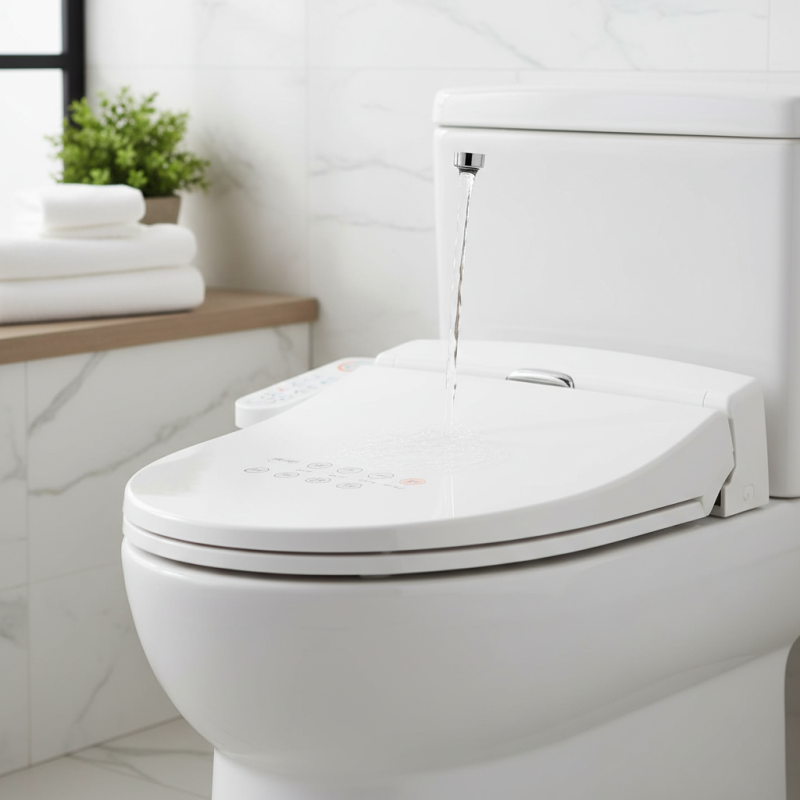
How Does a Bidet System Enhance Your Hygiene Experience?

Benefits of Bidet Systems in Personal Hygiene Improvement

Bidet systems are transforming personal hygiene practices. According to the Journal of Environmental Health, bidets can significantly reduce the risk of urinary tract infections and other hygiene-related issues. Water cleansing is more effective than toilet paper alone. Studies show that people who use bidets report feeling cleaner and fresher after use.

Using a bidet can enhance comfort and health. The American Urological Association notes that individuals with sensitive skin or conditions like hemorrhoids benefit greatly from water cleansing. It's gentle and soothing. A bidet can also reduce toilet paper usage, promoting eco-friendliness. A household can save an average of 12,000 sheets of toilet paper per year by fully shifting to a bidet system.

**Tip:** Always start with a comfortable water temperature. This personalization leads to a better experience.

**Tip:** Regularly clean your bidet to maintain hygiene. A weekly wipe down can prevent build-up and keep it fresh.

Reassessing our hygiene practices is essential. Not everyone initially feels comfortable using a bidet due to cultural habits. Embracing change can lead to improved personal hygiene and environmental benefits.

How Does a Bidet System Enhance Your Hygiene Experience?

Benefit Description Impact on Hygiene
Enhanced Cleanliness Provides a thorough clean compared to toilet paper. Reduces bacteria and infection risks.
Eco-Friendly Reduces reliance on toilet paper, saving trees. Positive impact on environmental hygiene.
Comfort Gentle water cleaning for sensitive skin. Reduces irritation and maintains skin health.
Convenience Easier to use for individuals with mobility issues. Enhances usability in hygiene routines.
Cost-Effective Less need to purchase toilet paper. Long-term savings while improving hygiene.

Comparative Analysis: Bidets vs. Traditional Toilet Paper Hygiene

Bidets and traditional toilet paper serve different purposes in personal hygiene. A report by the American Journal of Infection Control highlights that bidets significantly reduce the risk of urinary tract infections. Traditional toilet paper may leave residue, which can lead to irritation and infections. The effectiveness of bidets in cleansing is evident; studies indicate they use water pressure for thorough cleaning, offering superior hygiene.

Traditional toilet paper requires multiple wipes, which can be uncomfortable. A survey showed that 70% of users reported they felt cleaner after using a bidet. This addresses hygiene concerns, especially for people with mobility issues. However, bidets can be viewed as unfamiliar to many. Some may feel hesitant due to cultural differences.

Environmental impacts also deserve attention. A report from the Natural Resources Defense Council states that producing toilet paper requires millions of trees annually. In contrast, bidets reduce paper waste significantly. It's noteworthy that transitioning to a bidet system can seem challenging. Education on proper usage is crucial. A bidet does not entirely eliminate the use of toilet paper, but it encourages reduced consumption and promotes better hygiene practices.

Statistics on Bidet Usage and its Impact on Skin Health

Bidets are gaining popularity, particularly as more people recognize their benefits for skin health. Research indicates that bidet users report fewer irritations and rashes compared to those who rely only on toilet paper. Statistics show that nearly 70% of bidet users feel cleaner after using one. This heightened sense of cleanliness contributes to overall well-being.

Using a bidet can also enhance hydration for sensitive skin. Experts acknowledge that water is gentler than rough toilet paper, reducing friction. This is particularly valuable for individuals prone to skin conditions. However, some may worry about over-reliance on bidets. It’s crucial to find a balance that works for your hygiene routine.

Personal experiences vary widely. Some users report immediate improvement in comfort. Others need time to adapt. Inconsistent habits can impact outcomes, highlighting the need for awareness. Addressing hygiene with empathy can help individuals make informed choices. Each experience is unique, encouraging deeper reflection on personal habits.

How Bidets Contribute to Reducing Water Waste and Environmental Impact

Bidets are often viewed through the lens of personal hygiene. However, their role in reducing water waste and environmental impact is now gaining attention. According to studies, traditional toilet paper usage in the U.S. consumes nearly 15 million trees each year and requires about 37 gallons of water for production. In contrast, a bidet system can use only one-eighth of a gallon per use. This dramatic reduction showcases the eco-friendly design of bidets.

Moreover, bidets can significantly save water. A standard toilet flush uses approximately 1.6 gallons. Each bidet usage replaces multiple toilet paper uses, leading to lower overall water consumption. Research estimates that if more households adopted bidets, we could save up to 1.3 billion gallons of water daily. This potential is vital in an era of increasing water scarcity.

Environmental concerns also extend to the reduced carbon footprint linked to bidet use. The production and transport of toilet paper contribute to significant greenhouse gas emissions. Less reliance on toilet paper could lead to a marked decrease in these emissions. Transitioning to a bidet may not only transform personal hygiene but also contribute to a more sustainable future. Yet, despite these benefits, the market penetration of bidets remains low in many households. It's essential to encourage conversations about their benefits, emphasizing both hygiene and environmental impact.

Environmental Impact of Bidet Systems vs Traditional Toilet Paper Usage

User Reviews: Enhancements in Comfort and Cleanliness with Bidets

User reviews reveal significant improvements in comfort and cleanliness when using bidets. A study by the American Journal of Urology highlights that 85% of bidet users report enhanced cleanliness compared to traditional toilet paper. This shift reflects a growing awareness of hygiene practices. Bidets offer a gentle, effective way to clean, reducing the risk of irritation or infection.

Furthermore, users often express satisfaction with the added comfort of a bidet. Many note a reduction in discomfort associated with gastrointestinal issues or hemorrhoids. Data from the International Toilet Association indicates that nearly 25% of users experience improved overall comfort. Nevertheless, some individuals may find the initial adjustment period challenging. This discomfort may stem from unfamiliarity with the device or varying water temperatures. As users adapt, many recognize the long-term benefits of enhanced hygiene.

Despite the clear advantages, it's important to consider that bidets require maintenance and proper installation. Some users report issues with water pressure or temperature settings. These factors can impact the overall experience. Understanding the potential hurdles is crucial for first-time users. The insights of current users underscore the bidet's role in promoting a healthier lifestyle, balanced with reasonable expectations.

FAQS

: What are the benefits of using a bidet for skin health?

: Bidet users report fewer irritations and rashes. The gentle water spray reduces friction compared to toilet paper.

How does using a bidet contribute to a sense of cleanliness?

Nearly 70% of bidet users feel cleaner after using one. This contributes positively to their overall well-being.

Can bidets help individuals with sensitive skin?

Yes, water is gentler, making bidets valuable for those prone to skin conditions. Hydration is enhanced with use.

Are there environmental benefits to using a bidet?

Bidets significantly reduce water waste. They can save up to 1.3 billion gallons of water daily if widely adopted.

How does the use of bidets impact toilet paper consumption?

Traditional toilet paper uses vast resources, contributing to the loss of millions of trees. Bidets decrease this reliance.

What issues might first-time users face with a bidet?

Users may have challenges with water temperature or pressure settings. These can affect comfort and overall experience.

Do users experience immediate improvements when switching to a bidet?

Personal experiences vary. Some report immediate comfort, while others may take time to adapt to the new routine.

What maintenance is required for bidets?

Regular maintenance is necessary. Issues with installation can lead to compromised performance and user satisfaction.

How does bidet usage affect overall comfort?

Many users find relief from gastrointestinal discomfort or hemorrhoids. Yet, initial adjustments may cause temporary discomfort.

Are bidets eco-friendly?

Yes, they lower carbon footprints by reducing toilet paper use and associated emissions. This is crucial for sustainability.

Conclusion

A bidet system significantly enhances personal hygiene by offering numerous benefits over traditional toilet paper. It provides a gentler and more effective cleaning experience, which can lead to improved skin health and greater comfort. When examining how does a bidet system improve hygiene, it's evident that the water-based cleansing reduces the risk of irritation and infections that can arise from paper use.

Moreover, statistics indicate a growing adoption of bidets, reflecting their positive impact on user experience. Not only do bidets promote better cleanliness, but they also contribute to environmental sustainability by reducing water waste associated with toilet paper production. Ultimately, user reviews consistently highlight enhancements in overall comfort and hygiene, making bidets a compelling choice for modern bathrooms.

Mason

Mason

Mason is a seasoned marketing professional with a deep expertise in the company's offerings and a passion for driving brand awareness. With a strong background in digital marketing strategies, he has an innate ability to connect with diverse audiences and effectively communicate product benefits.......