In 2026, a notable shift in bathroom habits has emerged. Many individuals are asking, "Why are bidet seats becoming popular?" This question highlights a growing trend in modern hygiene practices. Increased awareness about personal cleanliness, sustainability, and comfort drives this change.
As people focus more on wellness, bidet seats offer an appealing solution. They provide a thorough clean while using less toilet paper. This transition reflects a shift in societal values toward environmentally friendly choices. Additionally, innovations in design and technology make bidet seats more user-friendly than ever. Many now feature adjustable settings and heated water, enhancing the experience.
Despite their rising popularity, some remain skeptical. Concerns about installation and cost linger. Moreover, cultural perceptions play a crucial role in acceptance. For many, using a bidet seat represents a significant change in routine. This ongoing conversation reveals the complexities behind the growing preference for bidet seats. Understanding these dynamics is essential as we navigate this evolving trend.
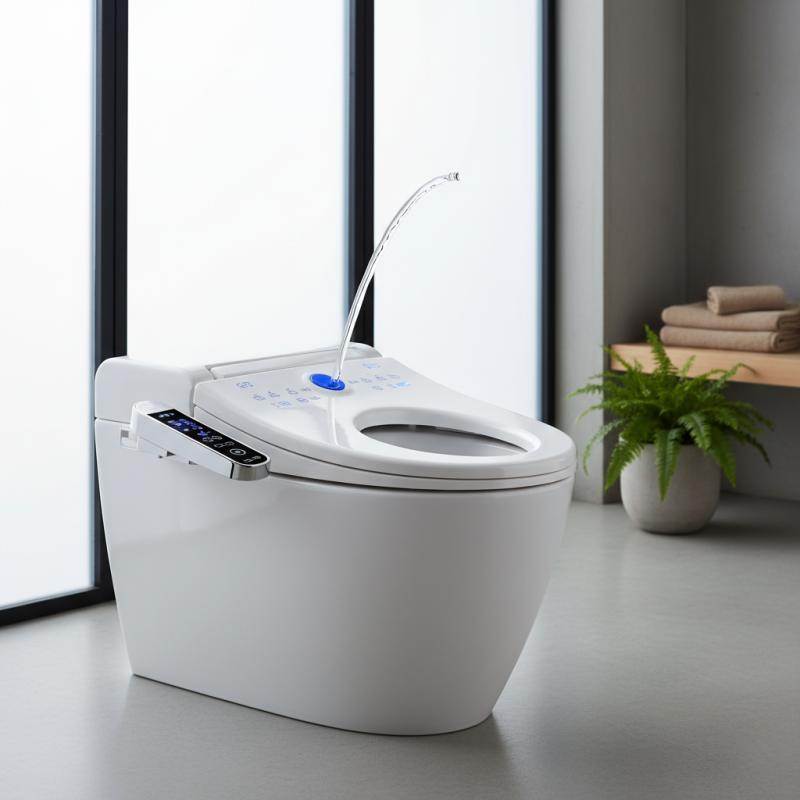
Bidet seats are becoming a common feature in modern bathrooms. Their rise can be attributed to a growing awareness of personal hygiene and sustainability. Many people now see the benefits of using water instead of toilet paper. This switch not only improves cleanliness but also reduces waste. In an era of environmental consciousness, bidet seats offer a practical solution.
As more homeowners renovate bathrooms, they consider modern amenities. Bidet seats come with various features, like heated seats and adjustable water pressure. These options appeal to customers looking for comfort. Yet, there are still challenges. Some users find them intimidating or complicated. Education about their use is necessary to increase acceptance.
The discussion around bidets is evolving. Public perception is changing as people share experiences online. Reviews and testimonials highlight their benefits. However, bidet seats are not yet ubiquitous. Many still have reservations. Bridging this gap requires time and advocacy. More conversations can help demystify these fixtures and encourage widespread adoption.
Bidet seats are transforming bathroom experiences. They blend comfort and hygiene like never before. Advanced technology is at the heart of this revolution. Modern bidet seats now feature customizable water pressure and temperature settings. Users can adjust these features easily, enhancing their comfort level.
Many bidet seats include user-friendly controls. Touchscreens and remote controls offer intuitive options. Some models even allow users to save their preferences. This personalization adds a touch of luxury to everyday routines. One challenge, however, is the learning curve for new users. Not everyone finds the controls intuitive at first.
Additionally, the integration of smart home technology is changing the game. Bidet seats can connect to home networks for added functionality. Users can monitor water usage and receive alerts. This capability encourages eco-friendly habits, but it may also raise concerns about data privacy. As these features advance, potential users must weigh convenience against security.
Bidet seats are on the rise in 2026 due to their environmental benefits. These devices significantly reduce the use of toilet paper, which takes resources to produce. Every bidet seat can eliminate thousands of sheets of toilet paper each year. This change leads to less waste in landfills and reduces tree consumption. In a world facing deforestation, this is a crucial step towards sustainability.
Tips for using bidet seats effectively include adjusting the water pressure for comfort. Not everyone likes the same level of force. Experiment to find what works best for you. Regular cleaning is also vital to maintain hygiene. Remember to explore water temperature settings. A warm spray can make the experience more pleasant, especially in colder months.
While bidet seats have many advantages, they aren't perfect. Some users may find the transition challenging. It might feel strange initially, and that's okay. Familiarizing yourself with the controls takes time. It's important to reflect on how often usage feels comfortable. Adapting to a new hygiene routine is a process, and understanding personal preferences is key.
Bidet seats are becoming increasingly popular as attitudes towards personal hygiene evolve. A recent study by Statista revealed that the global bidet market size is expected to reach over $4.3 billion by 2026. This growth reflects a shift in consumer preferences towards enhanced comfort and cleanliness.
One significant factor is the rising awareness of health and hygiene. Many people now understand that traditional toilet paper may not offer adequate cleanliness. Research from the American Journal of Infection Control indicates that using bidets can minimize skin irritations and infections. This perspective encourages individuals to reconsider their hygiene routines.
Moreover, the experience of using a bidet is often perceived as luxurious. Studies show that approximately 70% of users report feeling cleaner and more comfortable after switching to bidet seats. However, the transition may not be seamless for everyone. Some users express concerns about the initial learning curve and installation process. These challenges can hinder widespread adoption, highlighting the need for better consumer education and support around this growing trend.
| Aspect | Statistics | Trends |
|---|---|---|
| Market Growth Rate | 15% annually | Increased consumer interest in hygiene products |
| Demographic Adoption | 40% of households in urban areas | Younger generations opting for modern hygiene solutions |
| Awareness Levels | 70% of adults aware of bidet benefits | Social media influence on hygiene practices |
| Sustainability Concerns | 30% reduction in toilet paper use | Growing eco-conscious consumer base |
| Customer Satisfaction | 85% of users report higher comfort levels | Shift towards luxury bathroom experiences |
In 2026, bidet seats are becoming a household staple. This trend is fueled by social media and strategic marketing. Platforms like Instagram and TikTok are flooded with influencers showcasing the benefits of bidets. Their candid videos offer demonstrations that make the technology approachable and relatable.
Consumer education plays a crucial role in this rise. Many users share personal stories about hygiene and comfort. They often note that bidets reduce toilet paper use. This eco-friendly angle appeals to environmentally conscious consumers. The conversations sparked on social media resonate widely, encouraging many to reconsider traditional bathroom habits.
However, the adoption is not without hesitations. Some consumers are unsure about the initial investment. Others may find installation daunting. Not everyone is ready to make the leap. Still, the consistent buzz online is encouraging many to investigate bidets further. As awareness grows, so does the interest in improving bathroom experiences.
: Bidet seats promote personal hygiene and sustainability. They reduce waste by using water instead of toilet paper.
Features include heated seats, adjustable water pressure, and temperature settings for enhanced comfort.
Many bidet seats come with user-friendly controls. However, some users find the learning curve challenging.
Influencers on platforms like Instagram showcase bidet benefits, making the technology more relatable and appealing.
Common concerns include the initial cost and installation difficulty. Some users remain hesitant to adopt them.
They significantly reduce toilet paper usage, aligning with the growing focus on environmental consciousness.
Yes, some models can connect to home networks, allowing users to monitor water usage and receive alerts.
Ongoing education is needed to address misconceptions. Many still perceive bidets as complicated or intimidating.
They blend comfort with hygiene, offering a modern solution for bathroom needs.
Yes, connecting bidets to home networks raises questions about data privacy and user security.
In recent years, the question of "why are bidet seats becoming popular" has been examined through several key factors. One significant aspect is the rise of bidet seats in modern bathrooms, where they are increasingly viewed not just as luxury items but as essential amenities that enhance personal hygiene. Technological advancements have played a crucial role, with features like heated seats, adjustable water pressure, and self-cleaning functions making bidets more appealing to consumers.
Moreover, the environmental benefits of using bidet seats—such as reduced toilet paper consumption—align with growing global sustainability efforts. Changing attitudes towards personal hygiene and comfort further contribute to their popularity, as individuals seek more efficient and pleasant bathroom experiences. Finally, the impact of social media and effective marketing strategies has helped normalize bidet use, encouraging broader acceptance and engagement among different demographics.

Toilvora Toilet