Cleaning with water offers numerous benefits, greatly enhancing cleaning efficacy and environmental impact. Many industries increasingly recognize the importance of sustainable practices. In fact, a study by the Water Research Foundation found that using water-based cleaning methods can reduce chemical usage by up to 90%. This statistic highlights what are the advantages of using water for cleaning, particularly in reducing harmful substances that harm our environment.
Moreover, using water for cleaning is often cost-effective. The Environmental Protection Agency (EPA) indicates that businesses can save significant amounts on cleaning agents by utilizing water properly. However, not all water cleaning methods are perfect. Over-reliance on water can lead to wastefulness. Efficient methods should prioritize minimizing water wastage while maximizing effectiveness.
Water's natural solvent properties effectively remove dirt and grime. However, certain stubborn stains may require additional approaches. Identifying when water alone is insufficient is vital for achieving optimal results. This balance is essential for responsible cleaning practices that align with sustainability goals. Understanding the full spectrum of cleaning power is key in modern cleaning solutions.
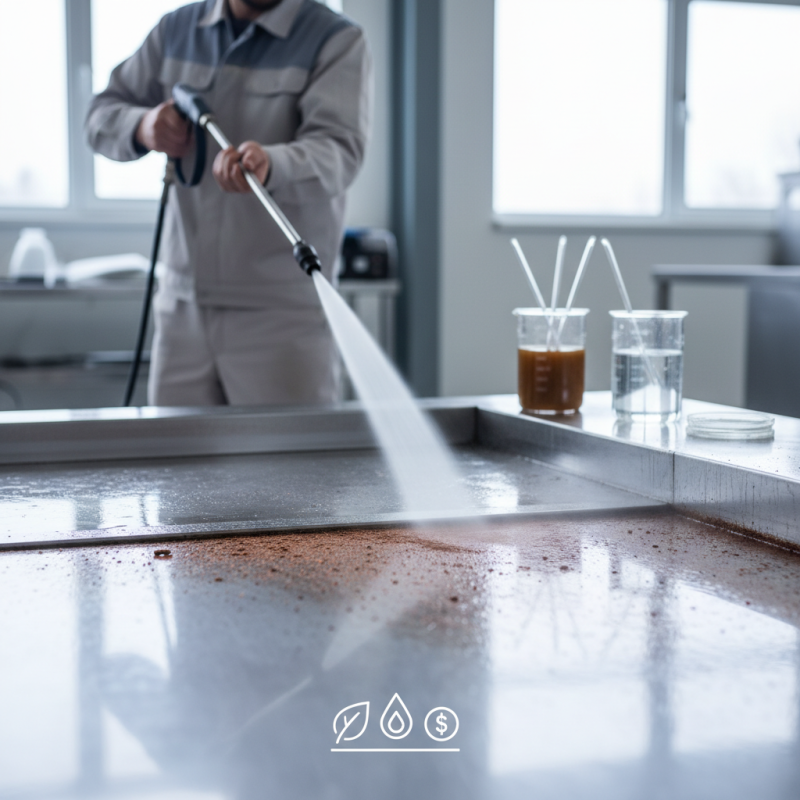
Benefits of Water as a Natural Cleaning Agent
Water is often overlooked as a cleaning agent, yet its benefits are substantial. According to a report by the International Journal of Environmental Research and Public Health, water is effective in removing dirt and contaminants without the need for harmful chemicals. This makes it ideal for households seeking safer cleaning solutions. Unlike many commercial cleaners, water is non-toxic and biodegradable, minimizing environmental impact.
Using water as a natural cleaning agent also reduces health risks. The CDC highlights that chemical cleaners can trigger respiratory issues and skin irritations. Water, however, poses no such threats. Its versatility allows for various cleaning applications, from washing dishes to mopping floors. However, the effectiveness of water can diminish if not used correctly. For example, while it removes some stains effectively, it may not work on grease or oil without additional friction.
Moreover, water conserves energy. A study from the U.S. Department of Energy indicates that using water cuts down energy required for heating or processing harsh chemicals. This simple resource can help create a more sustainable cleaning routine. Yet, it’s essential to acknowledge that water alone may not always deliver the desired cleanliness, especially in tough situations. Finding the right balance between water and other cleaning methods can lead to better results.
Effectiveness of Water in Removing Dirt and Grime
Water is an incredible cleaning agent. It effectively removes dirt and grime from various surfaces. When used properly, water can tackle tough stains and stubborn residue. It dissolves particles, making them easier to wipe away. This simple liquid proves powerful in many cleaning tasks.
In daily life, we encounter different types of dirt. Grease from cooking can cling to surfaces. Dust collects on furniture and appliances. In these cases, water might be all you need. Combine it with a cloth or sponge, and you're equipped for the job. However, some grime may require a bit more effort. There are times when scrubbing is necessary, and that’s okay.
Yet, reliance on water isn’t always perfect. Some stains may resist even the best efforts. Heavy-duty cleaning products can complement water when needed. Understanding when to use additional solutions is key. Learning from each cleaning experience helps refine your methods. Reflecting on what works—and what doesn’t—can lead to better results. Embracing water as a first step can simplify your cleaning routine and enhance your effectiveness.
Environmental Advantages of Using Water for Cleaning
Water is a fundamental resource for cleaning, offering numerous environmental advantages. Unlike many chemical cleaners, water is naturally available and non-toxic. It breaks down dirt and grime effectively, reducing the need for harsh chemicals. This approach minimizes water pollution by preventing harmful substances from entering waterways.
Using water for cleaning can also lead to less plastic waste. Many cleaning products come in plastic containers that end up in landfills. By opting for water-based cleaning methods, we can significantly reduce our plastic footprint. This small change contributes to global efforts to combat plastic pollution.
Moreover, relying on water promotes a sustainable mindset. Many people realize that simplicity is powerful. Utilizing water encourages individuals to be more conscious about their cleaning habits. However, there can be challenges in areas with limited water supply. Finding the balance between cleaning efficiency and water conservation is crucial. Understanding these complexities can lead to more thoughtful approaches to both cleaning and environmental stewardship.
What are the Benefits of Using Water for Cleaning Purposes? - Environmental Advantages of Using Water for Cleaning
| Benefit |
Description |
Environmental Impact |
| Non-toxic Cleaning |
Using water for cleaning does not add harmful chemicals into the environment. |
Reduces chemical runoff into water systems. |
| Biodegradability |
Water is naturally decomposed by microorganisms. |
Minimizes waste and pollution caused by synthetic cleaners. |
| Energy Efficiency |
Water-based cleaning often requires less energy compared to chemical manufacturing. |
Lowers carbon footprint associated with cleaner production. |
| Available Resource |
Water is widely available and can be easily sourced. |
Promotes sustainable practices by utilizing local resources. |
| Reduced Toxic Waste |
Cleaning with water limits the creation of hazardous waste. |
Protects ecosystems from pollution related to waste disposal. |
Cost Efficiency of Water Compared to Chemical Cleaners
Water is an accessible and versatile cleaning agent. Its cost efficiency stands out compared to chemical cleaners. Water is often cheaper and readily available. In many cases, it works just as effectively, if not better, with basic dirt and grime.
Using water reduces the need for expensive cleaning products. Many households already have tap water on hand. This lowers the overall cost of cleaning significantly. However, some people might overlook the importance of technique when using water alone. Effective cleaning requires scrubbing and the right tools. Relying only on water might not yield the desired results every time.
Additionally, there are environmental benefits. Chemical cleaners often contain harmful ingredients. These can pollute water sources and harm wildlife. In contrast, using water contributes to sustainability. Yet, we must remember that water alone may not be suitable for all cleaning tasks. Certain stains or bacteria require more than just a splash of water. Finding the right balance is essential for effective cleaning solutions.
Safety Considerations: Water as a Non-Toxic Cleaning Solution
Water is a fundamental resource for cleaning. One significant benefit is its non-toxic nature. Unlike many commercial cleaners, water poses no health risks. This is especially important in homes with children or pets. Using water reduces the chance of accidental poisoning. You can safely use it on surfaces where food is prepared. This makes it a smart choice for kitchens.
Despite its simplicity, using water effectively requires some thought. It must be at the right temperature for the best results. Hot water can dissolve grease better than cold. However, excessive heat can damage some surfaces. This is a point to reflect on. Knowing your materials can prevent costly mistakes.
Another consideration is the importance of combining water with other natural ingredients. Vinegar or baking soda enhances cleaning power without introducing harmful chemicals. However, the mixtures should be tested on small areas first. Not every combination works as expected, so a cautious approach is vital. Balancing effectiveness with safety is key to using water wisely in cleaning.
Conclusion
Water serves as an effective natural cleaning agent, offering a multitude of benefits. What are the advantages of using water for cleaning? Firstly, its effectiveness in removing dirt and grime cannot be overstated, as it effortlessly dissolves various contaminants. Additionally, utilizing water for cleaning provides significant environmental advantages, as it reduces the reliance on harmful chemical cleaners that can pollute waterways and harm ecosystems.
Moreover, water is a cost-efficient solution, often more affordable than its chemical counterparts. Lastly, safety considerations highlight water's non-toxic nature, making it a safe choice for households, especially around children and pets. Overall, using water for cleaning promotes a healthier home environment while being economically and environmentally responsible.

 Toilvora Toilet