Top 10 Ways Bidet Systems Improve Hygiene?

Time:2026-09-13 Author:Aria
0%

Personal hygiene is not only about feeling clean; it also involves reducing contact with contaminants. A bidet system uses a controlled stream of water to rinse the anal and genital areas after toilet use. So, how does a bidet system improve hygiene in daily life? It can remove residue more effectively than dry paper alone, while reducing repeated wiping that may irritate sensitive skin. A gentle rinse can also feel more comfortable after bowel movements, during menstruation, or when mobility makes thorough cleaning difficult.

Small details matter. Adjustable pressure, warm water, and a properly positioned nozzle can make cleaning easier and more consistent. Hands touch less used toilet paper, handles, and nearby surfaces. That may support better bathroom hygiene, although a bidet is not a substitute for handwashing. Clean hands still matter most. The nozzle also needs regular cleaning, especially in shared bathrooms, because neglected equipment can introduce new hygiene concerns.

The following guide examines ten practical ways bidet systems may support personal cleanliness, skin comfort, and bathroom routines. It separates reasonable benefits from exaggerated marketing claims. Results can vary. Water temperature, spray direction, maintenance, and individual health conditions all influence the experience. Some users may initially use too much pressure or expect complete protection from germs. That expectation needs correction. A bidet supports cleaning; it does not sterilize the body. Used carefully and maintained properly, it can become a more controlled, comfortable part of everyday hygiene.
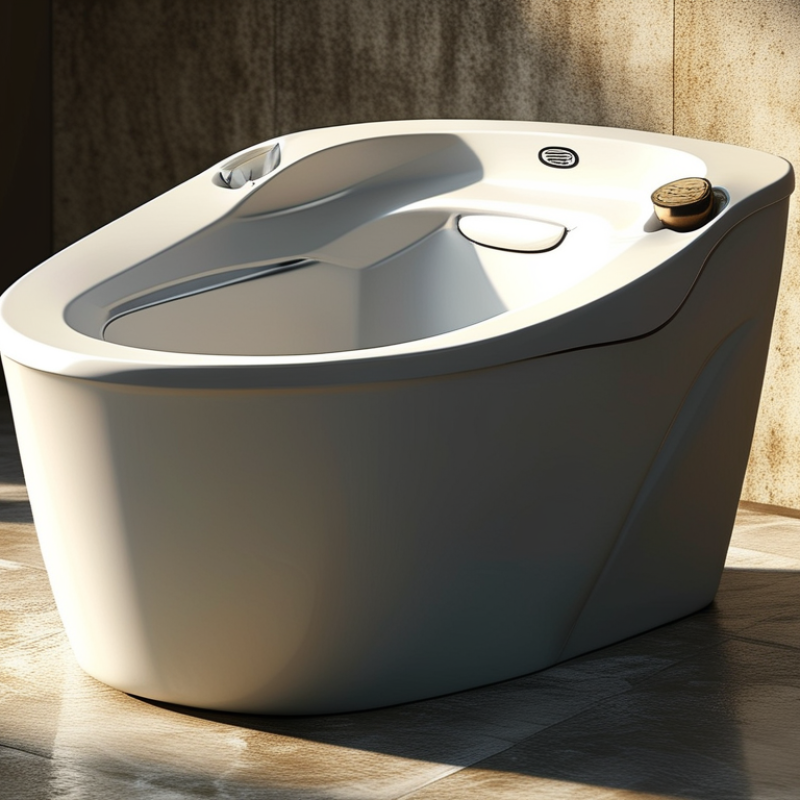
Top 10 Ways Bidet Systems Improve Hygiene?

How Bidet Systems Support Personal Cleanliness

Personal cleanliness depends on gentle, consistent cleaning, not simply on feeling fresh.

Bidet systems rinse the anal and genital area with water, helping remove residue that dry toilet paper can leave behind. They may also reduce repeated wiping, which can irritate sensitive skin. The difference is tangible: warm water, controlled pressure, and a clean nozzle can make post-toilet care feel less abrasive.

This matters because hygiene includes more than comfort.

The WHO Guidelines on Sanitation and Health connect inadequate sanitation with diarrhoeal disease and other health risks. The WHO and UNICEF Joint Monitoring Programme estimated that 3.5 billion people lacked safely managed sanitation in 2022. A bidet cannot solve those global problems, but it can support cleaner routines where safe water and proper maintenance are available. Gentle rinsing may also help people managing limited mobility, hemorrhoid discomfort, menstruation, or frequent bowel movements. Small improvements matter.

The evidence is promising, not perfect.

Public-health reports rarely claim that bidets prevent infection, and a bidet does not sterilize skin. Users still need thorough handwashing for at least 20 seconds, as recommended by the Centers for Disease Control and Prevention. Nozzle cleaning, suitable water temperature, and moderate pressure are essential. Shared bathrooms require extra attention. A neglected system may undermine cleanliness rather than improve it. In practice, the best results come from rinsing carefully, drying the area, and reviewing the routine when irritation persists.

Reduced Contact and More Thorough Post-Toilet Cleaning

Top 10 Ways Bidet Systems Improve Hygiene

Reduced contact is one of the clearest hygiene benefits of bidet systems. A controlled water stream cleans the area without repeated wiping. This can mean less contact with fecal residue, toilet paper, and nearby surfaces. The World Health Organization’s Guidelines on Sanitation and Health stresses that fecal contamination remains a major pathway for disease transmission. A bidet does not remove every risk, but it can make cleaning more direct.

Water can also reach skin folds that dry paper may miss. A 2023 report from the WHO and UNICEF Joint Monitoring Programme estimated that 3.5 billion people lacked safely managed sanitation services. That figure shows why practical hygiene tools still matter. In daily use, a gentle rinse may leave the skin feeling cleaner after one bathroom visit. Less rubbing may also help people with sensitive skin, although pressure and temperature settings require care.

Keep hands clean, too. The Centers for Disease Control and Prevention recommends washing with soap after using the toilet, even when water cleansing is available. No device is perfect. Poor nozzle cleaning, excessive pressure, or shared settings can create new concerns. Regular maintenance matters. A clean seat, controlled spray, and proper handwashing work better together than any single feature.

Water-Based Hygiene for Different User Needs

Top 10 Ways Bidet Systems Improve Hygiene

Water-Based Hygiene for Different User Needs

Water-based cleansing can remove residue more gently than repeated dry wiping. It may help users who experience irritation, limited mobility, or discomfort after bowel movements. Adjustable water pressure matters. A soft stream suits sensitive skin, while a stronger setting may clean more thoroughly. Start low. Every body responds differently.

People managing menstruation may appreciate a targeted rinse and less dependence on paper. Older adults can benefit from easier reach and reduced twisting. Some systems offer warm water, heated seats, or simple side controls. These features support comfort, but they should remain easy to understand. Complicated controls create mistakes, especially during nighttime use. Children require supervision and gentle settings.

Clean use still requires clean equipment. The nozzle should retract or self-rinse, but those features do not replace regular household cleaning. Wash hands after using the toilet. Drying helps reduce dampness, although air dryers can feel slow or noisy. A personal towel should be changed often. Bidets are not medical devices, and they do not prevent every infection. Water temperature that feels pleasant can still be too hot for fragile skin, so testing carefully is sensible. The ideal routine is not identical for everyone. A practical setup combines safe pressure, comfortable temperature, proper direction, and consistent maintenance.

Top 10 Ways Bidet Systems Improve Hygiene

Water-based hygiene can support different user needs by reducing reliance on dry wiping, improving comfort, and helping users clean more consistently. The scores below are an evidence-informed editorial scale from 1 to 5, not clinical measurements.

Higher scores indicate greater practical relevance for the stated hygiene benefit. Individual results vary according to water pressure, temperature, cleaning habits, mobility, and personal sensitivity.

Potential Benefits for Skin Comfort and Irritation Control

Top 10 Ways Bidet Systems Improve Hygiene?

Bidet systems can support cleaner, gentler bathroom habits. A controlled water rinse may remove residue without repeated rubbing. This matters when skin feels tender, dry, or easily irritated. Warm water can also feel soothing after bowel movements. Keep the temperature mild, not hot.

Pressure control is important. Strong jets may cause discomfort, especially around sensitive skin. A low setting is usually a better starting point. Pat the area dry with a clean, soft towel. Rubbing can undo the comfort gained from rinsing. Fragrance-free products may help reduce avoidable irritation.

Not every skin reacts alike. That matters. A bidet does not prevent every rash, infection, or medical condition. Persistent itching, bleeding, pain, or broken skin deserves professional assessment. Clean the nozzle and surrounding surfaces regularly, because damp equipment can collect residue. Use the correct washing direction to reduce contamination risks. The routine is not foolproof.

Some users may overuse water or remain damp afterward. That can create new discomfort. Short rinses and careful drying are more sensible than prolonged washing. People with hemorrhoids, eczema, or recent procedures should follow advice from a qualified clinician. Evidence and personal comfort should work together, rather than replacing one another.

Maintenance, Safety, and Responsible Bidet Use

Top 10 Ways Bidet Systems Improve Hygiene

Maintenance, Safety, and Responsible Bidet Use

A bidet system can support cleaner bathroom habits when used correctly. It rinses the area with a controlled stream, reducing reliance on dry toilet paper. Less rubbing may help limit irritation, especially for sensitive skin. Adjustable pressure and temperature can improve comfort. Use clean water only. Never direct the spray toward internal body areas. A bidet is helpful, but it does not sterilize skin.

Daily care matters. Wipe the nozzle after use if the design allows it, and check for visible residue. Clean the seat and surrounding surfaces with a suitable, non-abrasive product. Follow the care instructions for filters, hoses, and connections. A forgotten filter can affect water flow and cleanliness. I once assumed frequent rinsing was enough; that assumption ignores hidden buildup. Small maintenance tasks prevent larger problems.

Safety requires patience. Start with low pressure and lukewarm water. Avoid very hot water, sudden pressure changes, or prolonged spraying. Stop if you notice pain, bleeding, or persistent irritation, and seek medical advice when needed. Wash your hands after bathroom use, even when the spray feels thorough. Keep electrical parts dry, inspect leaks, and avoid using damaged equipment. Children and people with limited mobility may need supervision. Responsible use also means cleaning shared surfaces regularly, since the nozzle cannot protect every bathroom touchpoint.

FAQS

How does a bidet system improve bathroom hygiene?

It uses a controlled water stream instead of repeated wiping. Less contact can mean less exposure to residue and toilet paper. It does not remove every hygiene risk.

Can water reach areas that toilet paper misses?

Yes, water can clean skin folds more gently. Dry paper may leave small areas untouched. Direction and pressure still matter.

Is a bidet suitable for sensitive skin?

It may reduce rubbing and irritation. Start with low pressure and lukewarm water. Stop if discomfort continues.

Should hands be washed after using a bidet?

Yes. Wash with soap after using the toilet. Water cleansing does not replace handwashing. Clean hands matter.

What settings are safest for regular use?

Choose gentle pressure and comfortable, lukewarm water. Avoid sudden pressure changes. Very hot water can burn fragile skin.

How should the bidet area be maintained?

Wipe visible residue from the nozzle and clean the seat regularly. Check hoses, filters, and connections. Small tasks prevent larger problems.

Can children or older adults use a bidet system?

Children need supervision and gentle settings. Older adults may appreciate easier reach and less twisting. Simple controls are safer.

Does a bidet prevent every infection?

No. It does not sterilize skin or replace medical care. Keep shared surfaces clean, and seek advice for pain, bleeding, or persistent irritation.

Is drying necessary after water cleansing?

Drying can reduce dampness. A personal towel should be changed often. Air drying may feel slow or noisy. That detail is easy to overlook.

What common mistake should users reconsider?

It is easy to assume frequent rinsing is enough. Hidden buildup can remain inside filters or connections. Regular cleaning still matters.

Conclusion

A bidet system can improve personal hygiene by using a controlled stream of water to clean more thoroughly after using the toilet. Instead of relying only on dry paper, water-based cleansing can help reduce residue and minimize direct contact, supporting a cleaner and more comfortable routine. This approach may be useful for people with different mobility needs, sensitive skin, or preferences for a gentler alternative to wiping. So, how does a bidet system improve hygiene? It can promote more complete post-toilet cleaning while helping users adjust water pressure and temperature for individual comfort.

When used responsibly, bidet systems may also reduce friction, which can help limit irritation caused by repeated wiping. Good hygiene still depends on proper operation, regular cleaning, and safe maintenance. Users should follow the system’s instructions, avoid excessive pressure or heat, and keep surrounding surfaces clean and dry. With appropriate care, a bidet system can support cleanliness, comfort, and a more consistent personal hygiene routine.

Aria

Aria

Aria is a dedicated marketing professional with a deep passion for innovative strategies and a keen understanding of our company's product offerings. With a wealth of experience in the industry, Aria excels at crafting engaging content that highlights the unique features and benefits of our......